If you run a café, restaurant, takeaway or food truck, your fridge works hard every day. It keeps food fresh, safe and ready to serve. But many small businesses don’t check fridge temperatures as often as they should. It’s an easy job to forget when you’re busy, but it really matters.
This guide takes a deep dive into how often you should check fridge temperatures, why the rules exist and simple ways to stay on track without adding stress to your day.
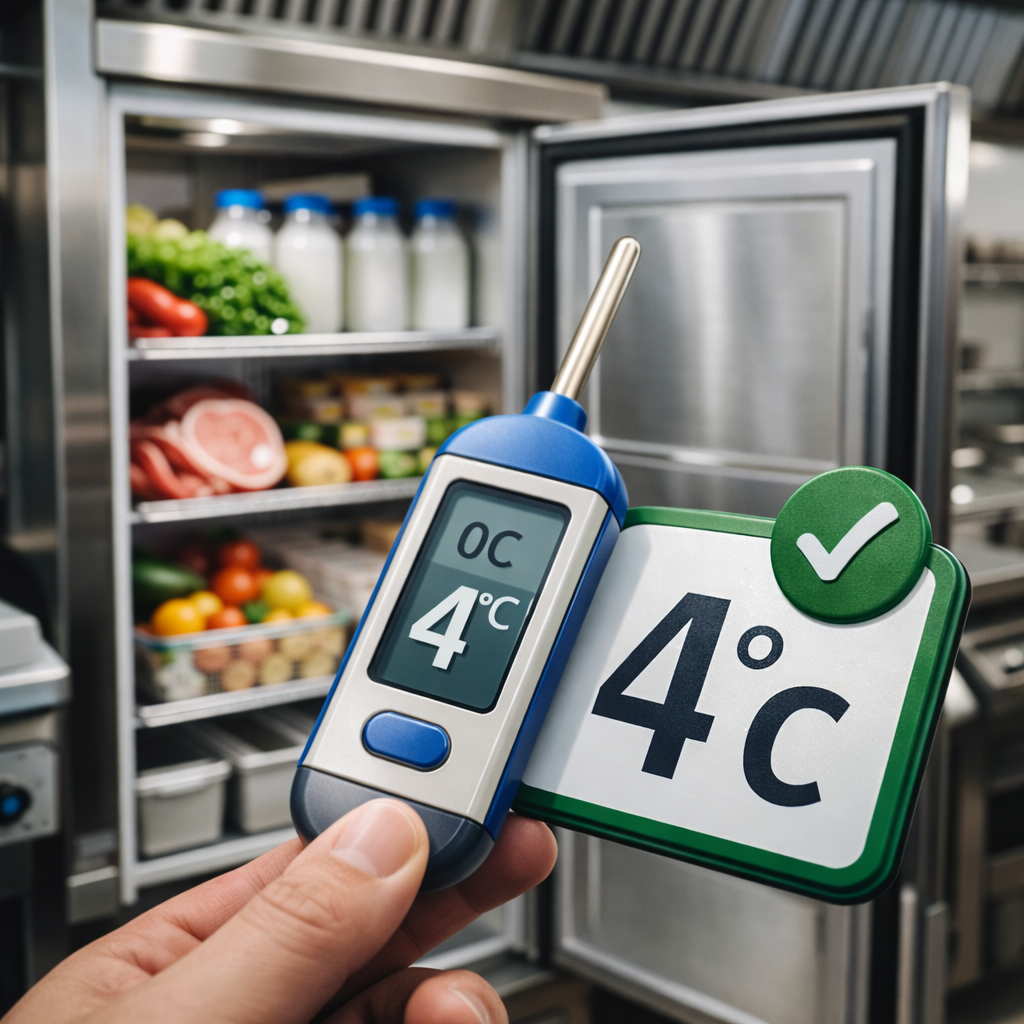
Why fridge temperatures matter so much
Your fridge is one of your main food safety controls. If it’s too warm, harmful bacteria can grow fast. You won’t see it or smell it, but it can still make customers ill.
Food poisoning bacteria like to grow between 8°C and 63°C. This range is called the danger zone. The closer food gets to this zone, the higher the risk.
Keeping fridges cold slows bacteria down. It doesn’t kill them, but it helps stop them reaching dangerous levels. That’s why temperature control is a key part of food hygiene and HACCP plans.
A fridge running just a few degrees too warm can turn safe food into a risk without you realising.
What the food safety rules say
In the UK, food safety law says chilled food must be kept at a safe temperature. For most foods, this means 8°C or below. Many businesses aim for 5°C or below to add a safety buffer.
Environmental Health Officers expect you to know your fridge temperatures. They’ll often ask to see records during an inspection. If you can’t show them, it can raise concerns even if the food looks fine.
Temperature checks aren’t just best practice. They’re part of proving due diligence. This means showing you take reasonable steps to keep food safe.
If something goes wrong, good records can protect your business as well as your customers.
How often should you check fridge temperatures
For most small food businesses, you should check fridge temperatures at least once a day. Many checks happen at opening time, before food prep begins.
In busier kitchens, twice a day is better. One check in the morning and one later on helps catch problems early.
Some situations call for more frequent checks. These include:
- Very busy services with lots of door opening
- Hot weather
- Older fridges that struggle to stay cold
- Fridges holding high risk foods like cooked meats or dairy
If you notice a fridge is unstable, increase your checks until the issue is fixed.
The key point is consistency. Checking once a week isn’t enough. By then, unsafe food could already be served.
What happens if you don’t check often enough
Many food safety issues don’t come from big failures. They come from small things going unnoticed.
A fridge door left slightly open overnight. A seal that’s worn and leaking cold air. A unit that’s overfilled and can’t circulate air properly.
Without regular checks, these problems can last for days. Food can sit at unsafe temperatures without anyone knowing.
This can lead to:
- Higher risk of food poisoning
- More food waste when problems are finally spotted
- Failed inspections
- Loss of customer trust
- Stress and last minute panic
Regular checks act like an early warning system. They give you time to fix issues before they turn serious.
What’s the best way to check fridge temperatures
Always use a reliable thermometer. Built-in fridge displays can be helpful, but they’re not always accurate.
A simple digital probe or fridge thermometer works well. Keep it clean and check it’s working properly.
When you take a reading:
- Check the air temperature inside the fridge
- Avoid holding the door open too long
- Take the reading from the middle, not right by the door
- Write it down straight away
If the temperature is too high, don’t ignore it. Take action and record what you did.
What to do if the temperature is too high
Finding a high temperature doesn’t mean instant disaster, but it does mean you need to act.
First, check obvious causes. Was the door left open. Is the fridge overloaded. Has someone just restocked with warm deliveries.
Close the door and wait a short time, then recheck. If it returns to a safe level quickly, note it and keep an eye on it.
If the temperature stays high:
- Move high risk food to another working fridge
- Limit opening the door
- Call for maintenance if needed
- Consider disposing of food if safety can’t be confirmed
Always record what happened and what you did. This shows control and responsibility.
Common mistakes businesses make
Many small businesses fall into the same traps.
One is relying on memory. Saying you check temperatures isn’t enough. Inspectors want records.
Another is ticking boxes without really checking. Writing the same number every day can be a red flag.
Some teams don’t train staff properly. If only one person knows how to check temperatures, things get missed when they’re off.
Others forget about smaller fridges like dessert displays or under-counter units. These still need checks.
Being aware of these mistakes makes them easy to avoid.
Making temperature checks part of your routine
The easiest way to stay on track is to build checks into your daily routine.
Link them to something you already do, like opening the kitchen or starting prep. This makes it feel automatic rather than an extra job.
Keep thermometers easy to reach. If they’re locked away or hard to find, checks get skipped.
Make sure all staff know how and why to check temperatures. When people understand the reason, they take it more seriously.
Clear systems reduce stress and save time in the long run.
Digital records vs paper logs
Paper logs have been used for years, but they can be messy and easy to forget. Sheets go missing or get filled in later.
Digital systems make life simpler. They prompt you to check, store records safely and make them easy to show during inspections.
They also help spot patterns, like a fridge that keeps creeping up in temperature. This helps you fix problems early.
For many small businesses, going digital removes a lot of admin without adding complexity.
Why inspectors care so much about fridge temperatures
Environmental Health Officers know temperature control is one of the biggest food safety risks.
If you can manage fridge temperatures well, it shows you understand food safety basics. It builds confidence in your whole operation.
Poor temperature control often points to wider issues like lack of training or weak systems.
That’s why fridge checks get so much attention during inspections.
Final thoughts
Checking fridge temperatures doesn’t take long, but it plays a big role in keeping food safe. Daily checks help protect customers, reduce waste and give you peace of mind.
Good habits, clear records and quick action when things go wrong make all the difference.
If you want an easier way to stay on top of fridge checks without paperwork or stress, it’s worth exploring how the Food Safety App can help you save time and keep food safety simple.