
Category: Cleaning, Hygiene & Cross Contamination
-
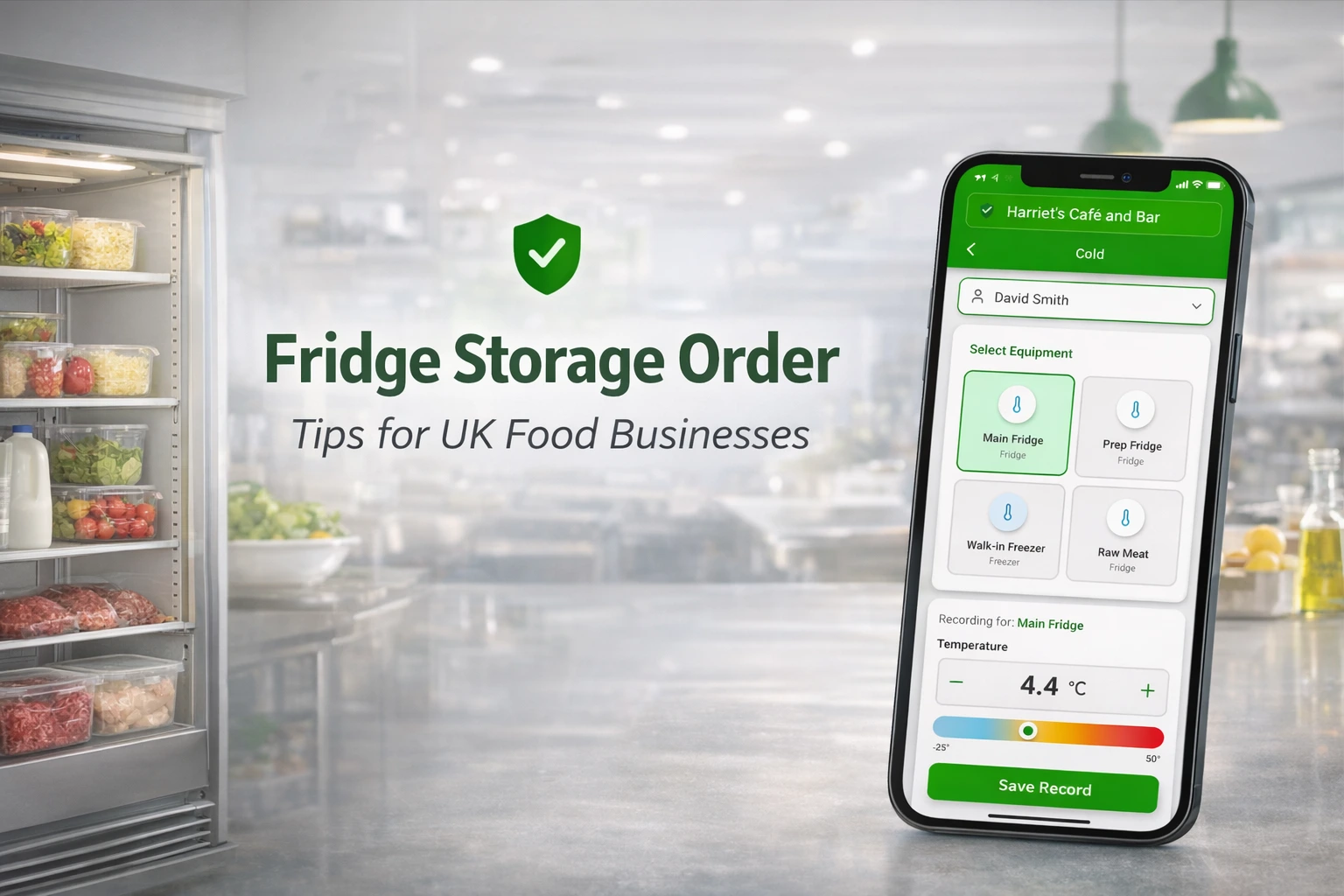
Confused about fridge storage order in food safety management? This simple guide helps UK caterers prevent cross-contamination and stay compliant with digital food safety records. Table of Contents Why does fridge storage order matter in food safety management? Fridge organisation isn’t just about neatness — it’s one of the simplest ways to prevent cross-contamination in…
-
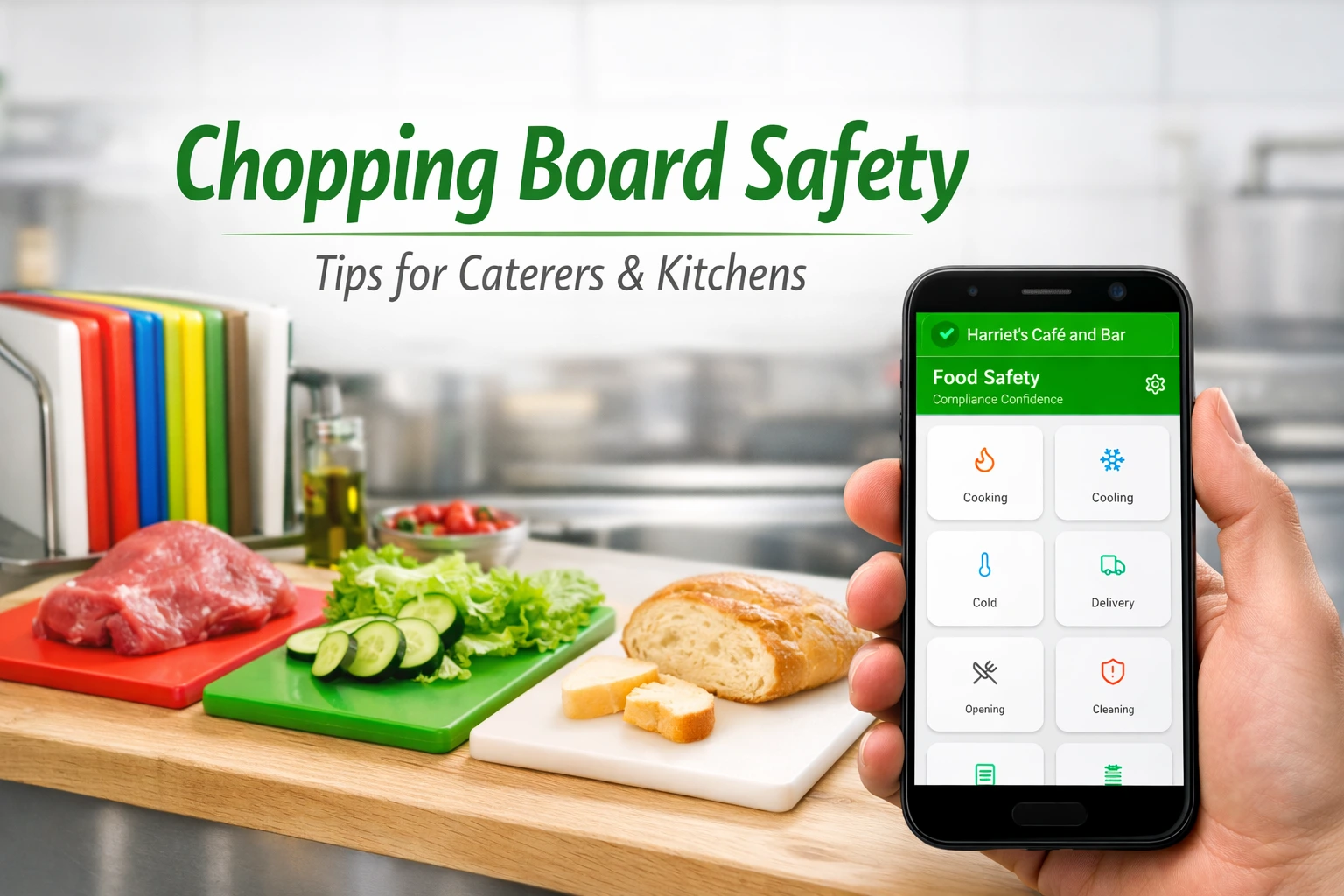
Struggling to manage chopping board hygiene in your kitchen? Here’s a clear guide to colour coding, cleaning, and storage using a food safety management system. Table of Contents What is chopping board colour coding? Colour-coded chopping boards are a simple way to prevent cross-contamination in busy kitchens. Instead of relying on memory, staff can quickly…
-
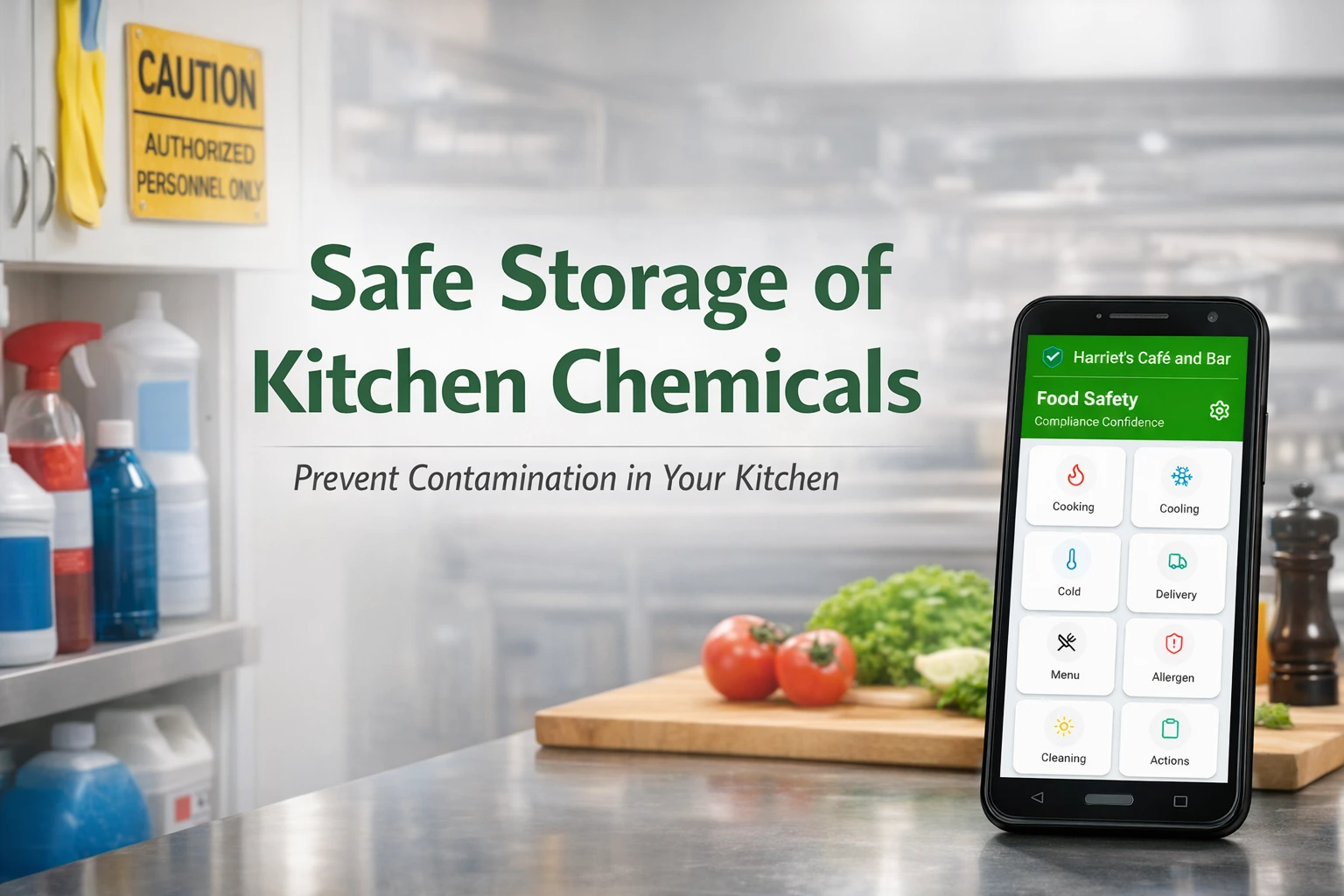
Running a kitchen means handling cleaning chemicals safely every day. This guide explains how safe storage supports food safety management, helping UK food businesses prevent contamination and stay compliant. Table of Contents Why safe chemical storage matters In a busy kitchen, cleaning products are essential, but they also carry risks. If chemicals are stored or…
-
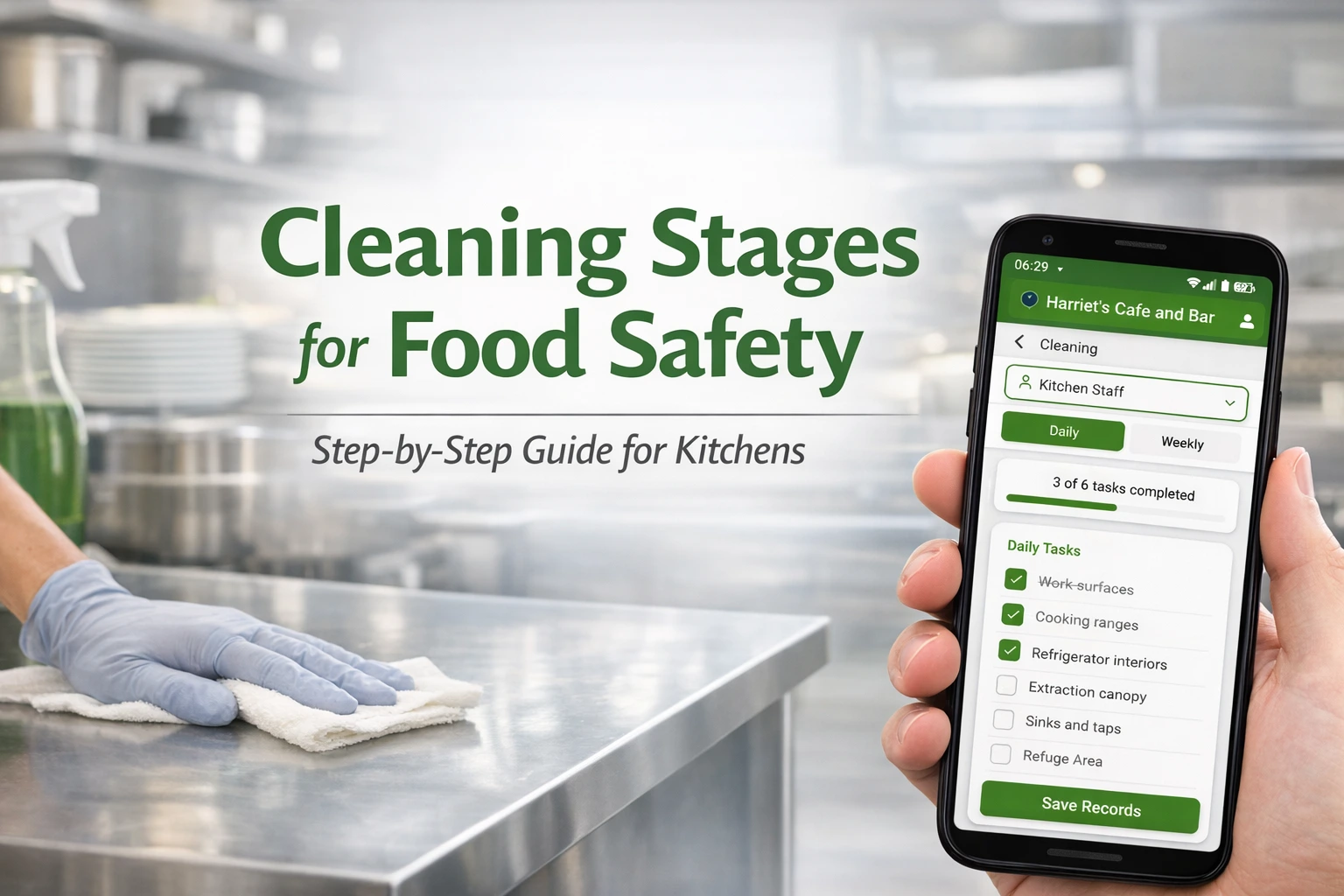
Struggling to keep cleaning consistent? This guide explains simple cleaning stages for food safety management and how a food safety app can help. Table of Contents Why cleaning matters in food safety management Good cleaning isn’t just about appearances. It’s a core part of food safety management and plays a major role in preventing contamination.…
-
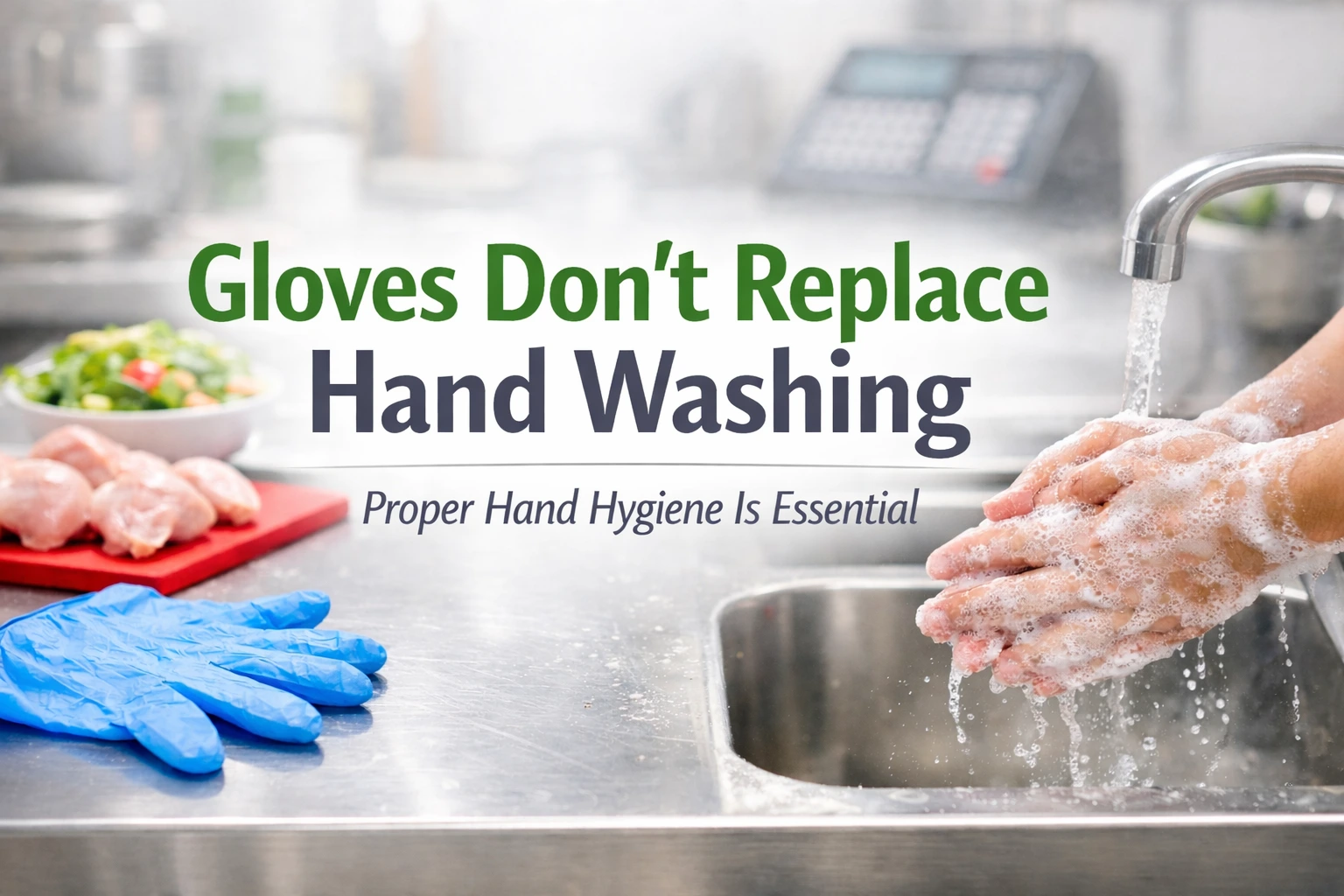
If you run a catering business, you already know that strong food safety management starts with the basics. This guide explains why gloves don’t replace hand washing, and how using the right systems, including digital food safety records, helps you stay compliant and confident. Table of Contents Why gloves aren’t enough It’s common to see…
-
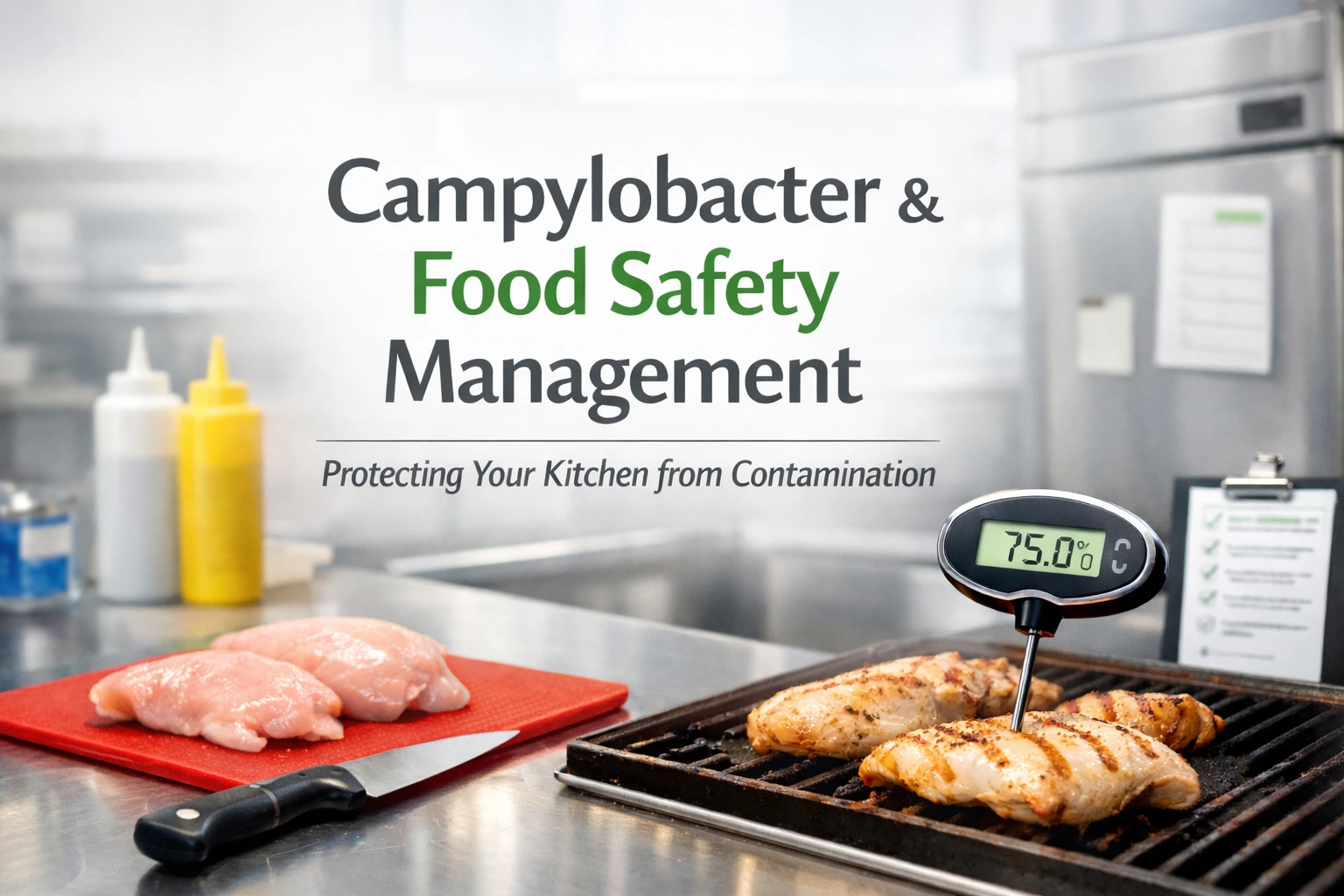
Worried about Campylobacter in your kitchen? Here’s what UK caterers need to know about food safety management, legal duties and simple controls using digital food safety records. Table of Contents What is Campylobacter? Campylobacter is the most common cause of bacterial gastroenteritis in the UK. It’s usually linked to raw and undercooked poultry, particularly chicken.…
-
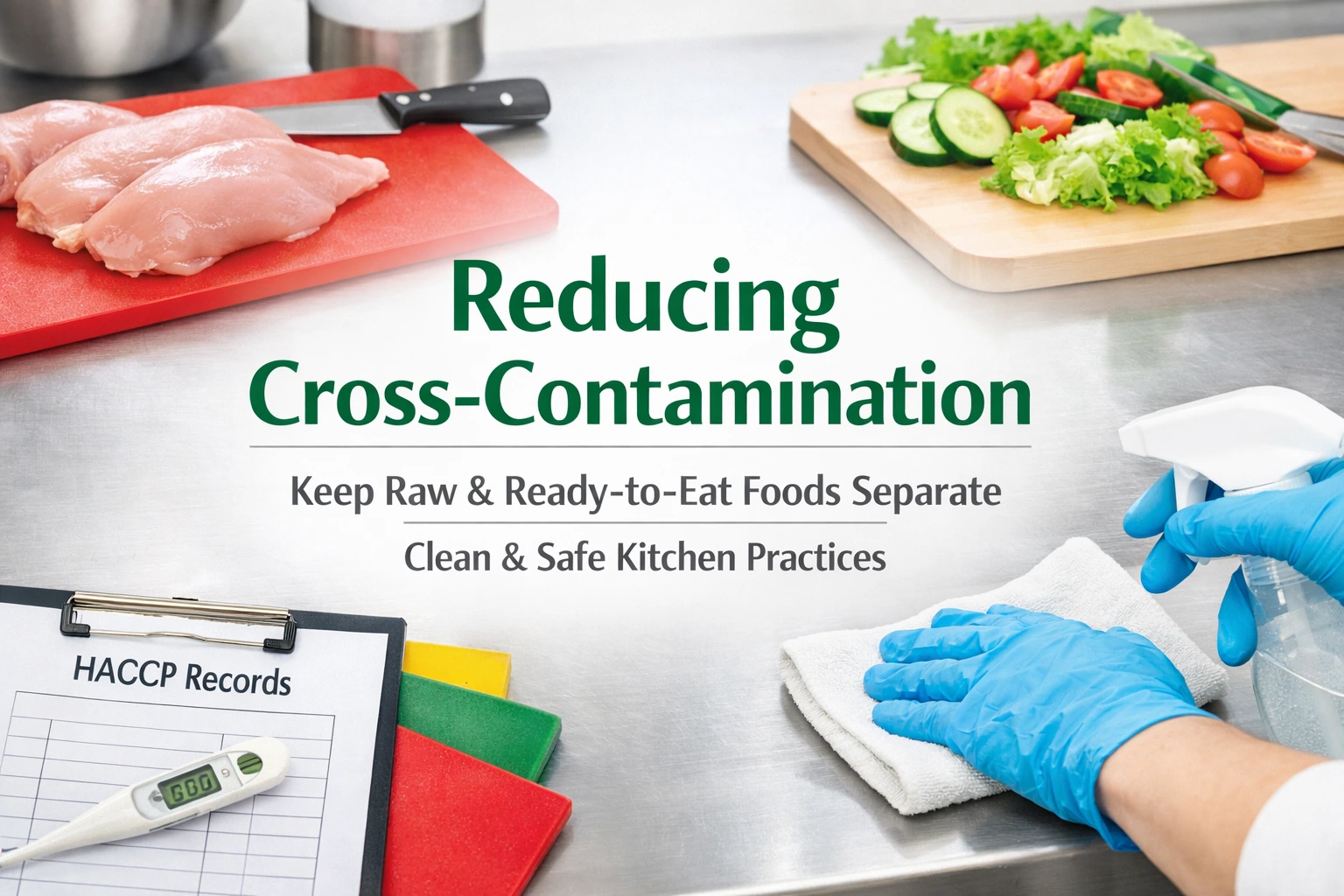
If you run a catering business, reducing cross-contamination is central to effective food safety management. This guide explains what it means in practice, what UK law expects, and how digital food safety records can help you stay organised and inspection-ready. Table of Contents Cross-contamination happens when harmful bacteria, viruses or allergens are transferred from one…
-
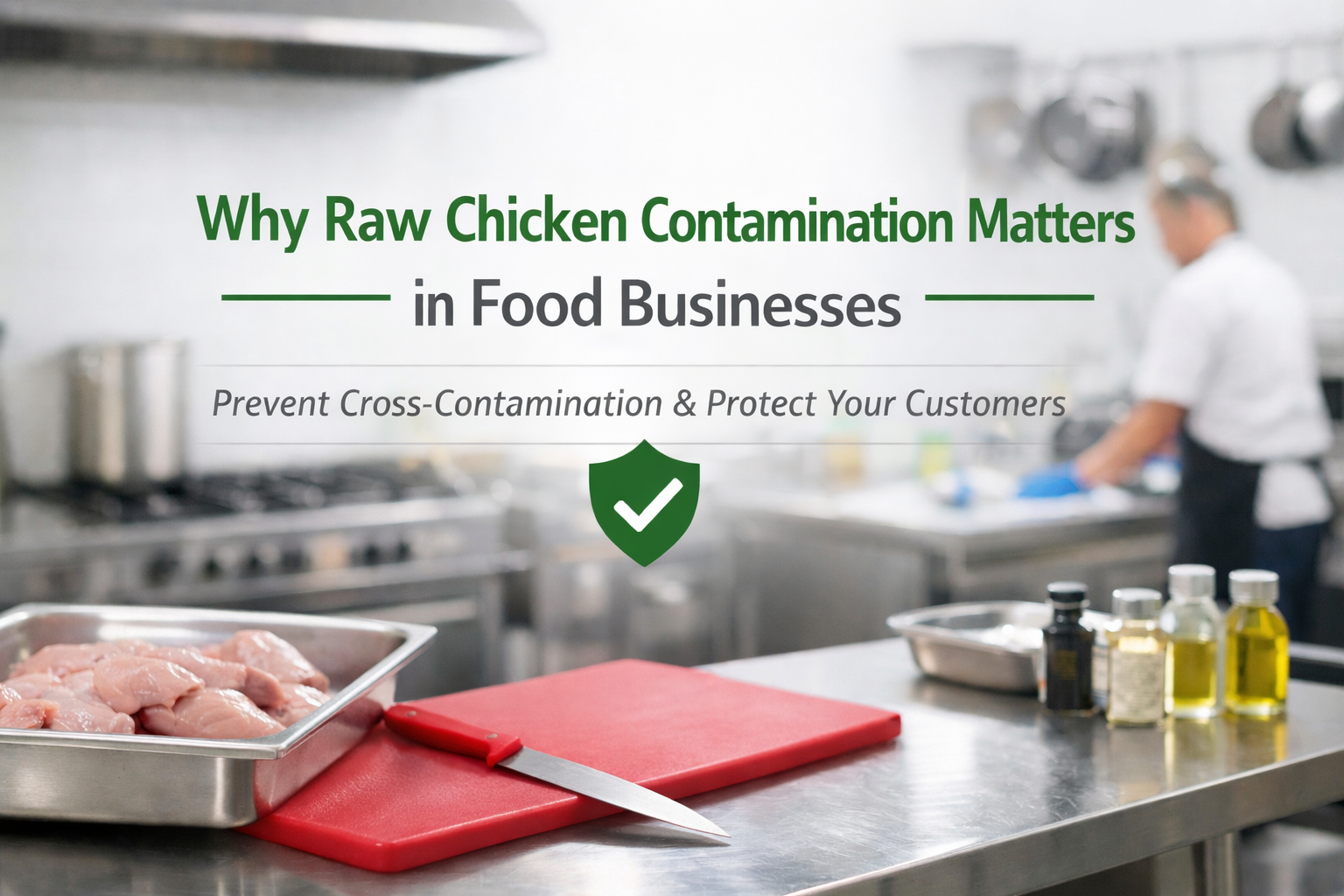
Raw chicken is one of the main causes of food poisoning in kitchens when it’s not handled safely. Bacteria like Campylobacter and Salmonella are commonly found in raw poultry and can spread easily without careful controls. (Food Standards Agency) For food businesses, preventing contamination from raw chicken is part of your food safety management system…
-
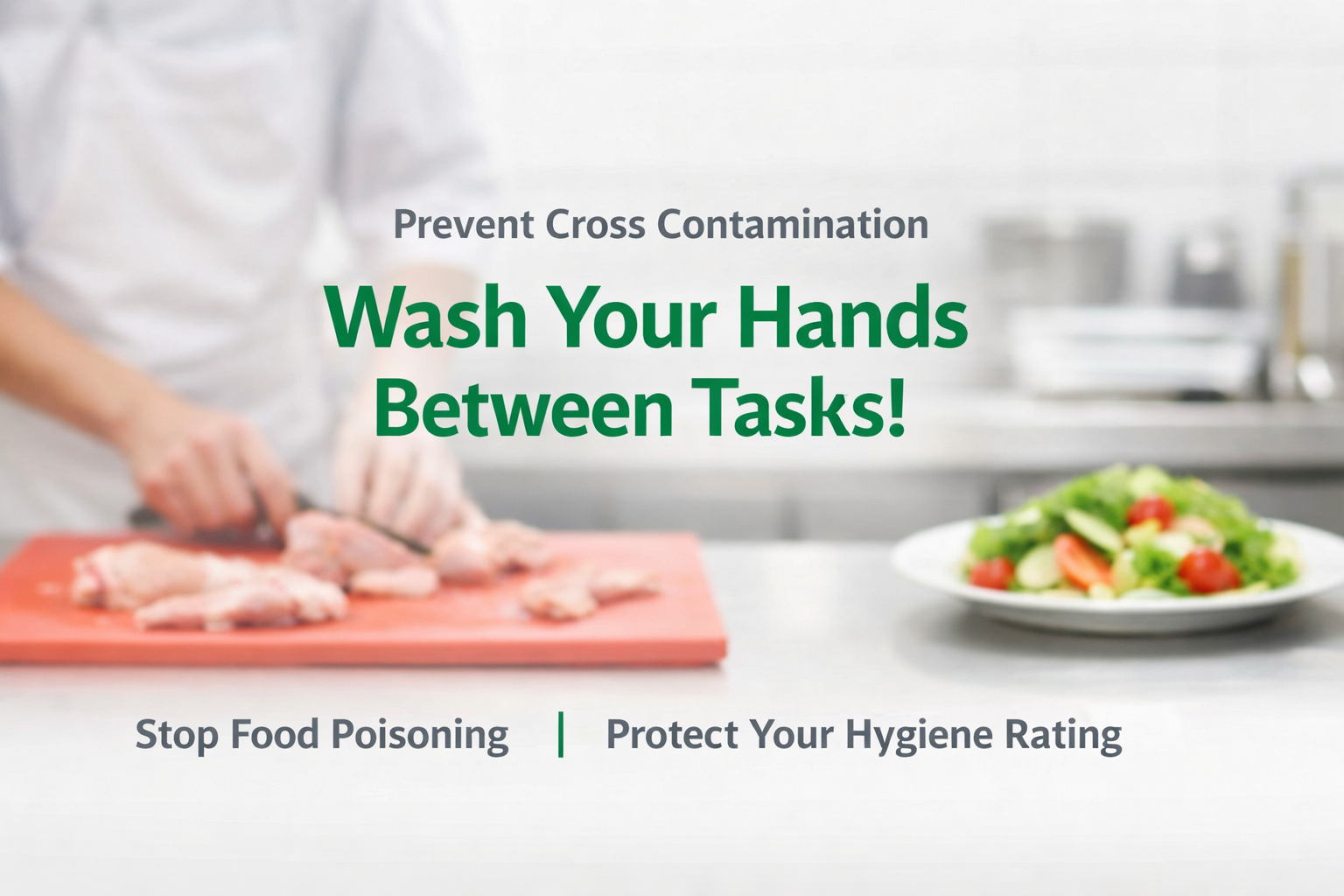
Not washing hands between tasks increases the risk of cross contamination, food poisoning and low food hygiene ratings, and it undermines your food safety management system and digital food safety records in your food-safety app. Why hand washing matters more than you think Your hands touch food, equipment, packaging and surfaces all day. Each task…
-
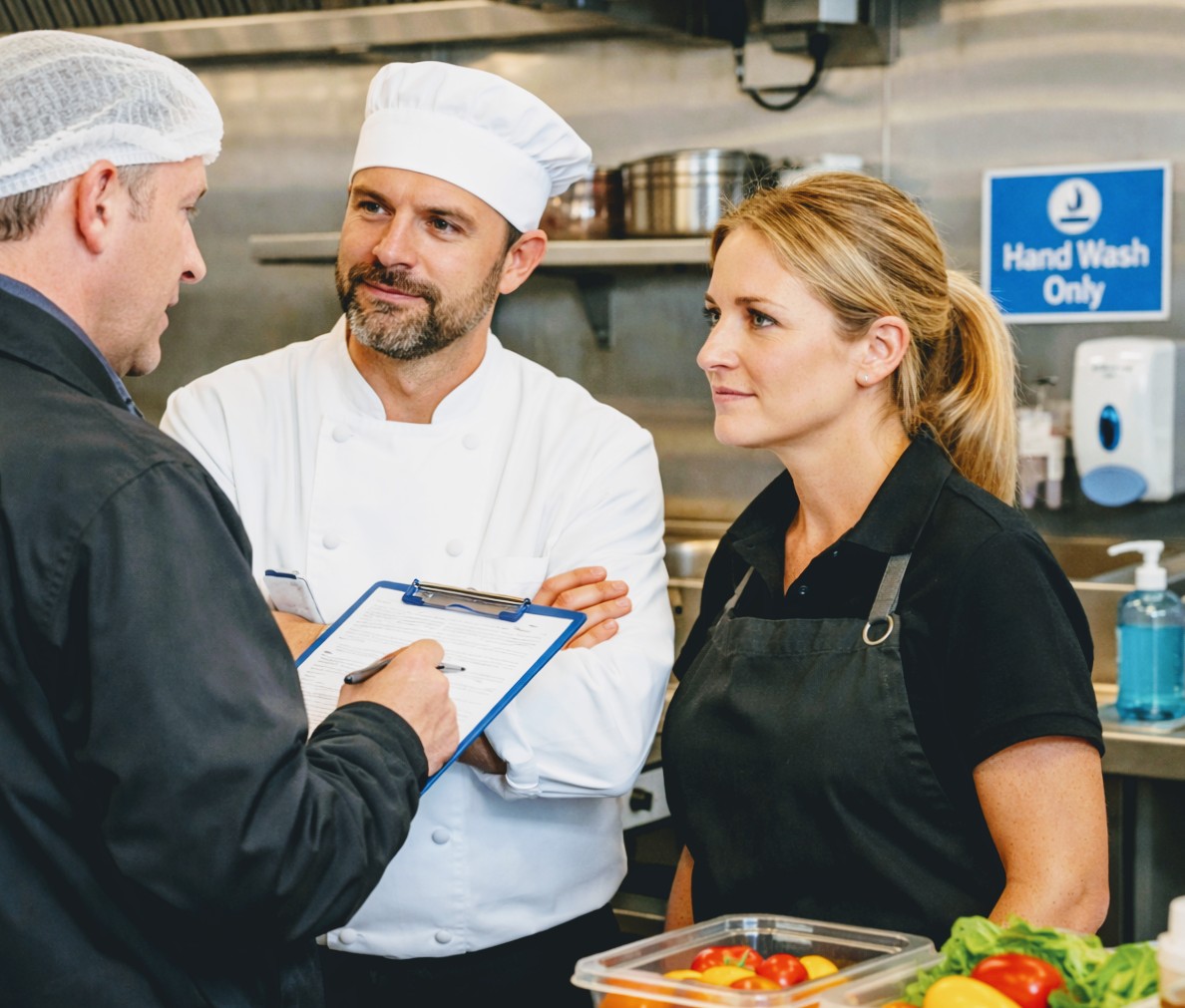
Keeping pests out of your food business starts with spotting the signs early. It’s not about being an expert. It’s about knowing what looks wrong and speaking up straight away. In cafés, restaurants, takeaways, food trucks and small producers, pest activity can appear quietly. A single dropping. A strange mark on a wall. One insect…
-
Every food business and catering service uses chemicals. Cleaning products, sanitisers and maintenance chemicals are part of daily work in kitchens, vans, units and production spaces. When they’re used correctly, they help keep food safe. When they’re not, they can harm people and contaminate food. COSHH exists to manage those risks. It’s about protecting staff…
-
Overview Sanitisers play a big part in keeping food safe. They reduce harmful bacteria on food contact surfaces. When they’re used the right way, they protect customers, staff and your business reputation. When they’re used the wrong way, they can quietly increase risk without anyone noticing. In busy kitchens, it’s easy to rush. That’s why…
-
Running a food business means doing lots of small things right every day. One of the most important is hand washing. It sounds basic, but it’s one of the biggest ways to stop germs spreading. When hand washing slips, food safety slips with it. Whether you run a café, takeaway, restaurant, food truck or production…
-
Cross-contamination is one of the most common causes of food poisoning. It affects every type of food business and every food handler, from large factories to small kitchens. It doesn’t matter what food you prepare or where you work. If food isn’t handled safely, contamination can happen. This guide explains contamination vectors in a clear…