
It’s All About the C’s
Food safety can sound complicated. There are rules, records, checks and inspections to think about. When you’re running a café, takeaway, restaurant or food business, it can feel like just another thing on an already long list.
But here’s the truth. Good food safety doesn’t come from doing everything at once. It comes from getting the basics right, every day. Many of those basics share something in common. They all start with the letter C.
From cooking food properly to building the right culture in your team, these C’s help you stay safe, compliant and in control. Let’s break them down in a simple, practical way that actually makes sense in a busy food business.
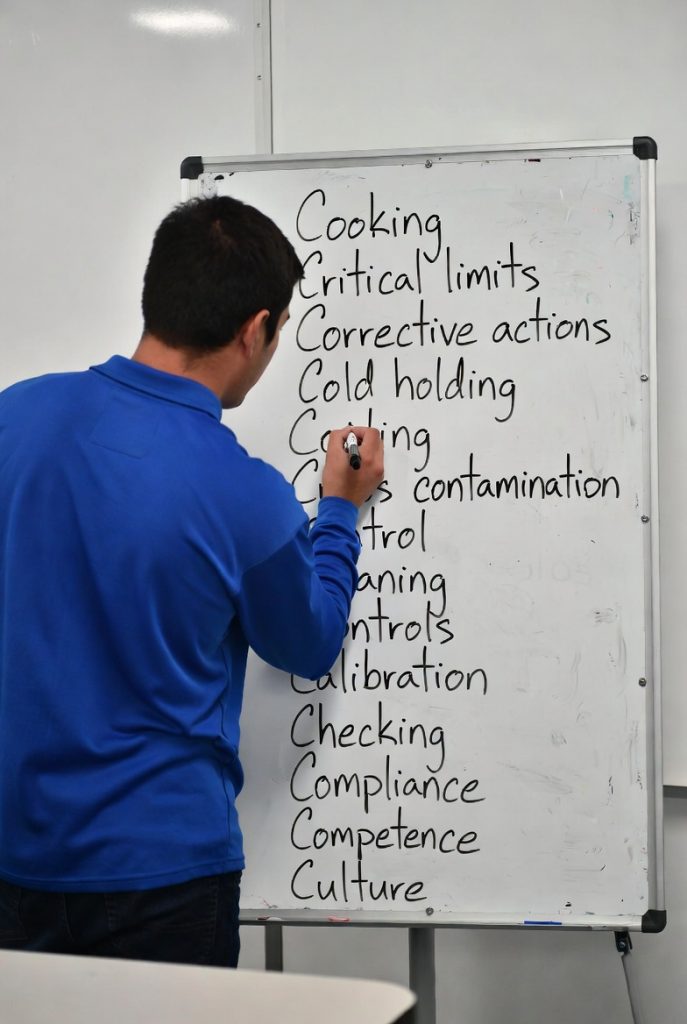
Cooking
Cooking is one of the most important steps in food safety. It’s how you kill harmful bacteria that can make people ill.
Food needs to be cooked thoroughly, especially meat, poultry and dishes with eggs. If food isn’t hot enough all the way through, bacteria can survive. That’s when problems start.
Good cooking protects your customers and your reputation. It’s also one of the first things an inspector will look at.
Critical limits
Critical limits are the clear safety boundaries you must stay within. This could be a minimum cooking temperature or a maximum fridge temperature.
They matter because they remove guesswork. You’re not relying on how food looks or feels. You’re working to clear, safe limits that are proven to reduce risk.
When everyone knows the limits, it’s easier to stay consistent.
Corrective actions
Corrective actions are what you do when something goes wrong. And things do go wrong. Fridges break. Food gets left out. Temperatures get missed.
The key is how you respond. Reheating food properly, chilling it quickly or throwing it away are all corrective actions. Acting quickly stops unsafe food from reaching customers.
Cold holding
Cold holding means keeping food cold enough to slow down bacteria growth. In the UK, this is 8°C or below.
When food sits too warm for too long, bacteria multiply fast. Cold holding keeps food safe during storage, service and display.
Reliable fridges and regular checks make all the difference here.
Cooling
Cooling is about bringing hot food down to a safe temperature as quickly as possible.
Large pots of curry or trays of cooked food left to cool slowly are a common risk. Food can sit in the danger zone for hours if cooling isn’t managed properly.
Safe cooling protects food before it’s stored or reheated later.
Cross contamination control
Cross contamination happens when bacteria spread from one place to another. This often happens from raw food to ready to eat food.
Using separate chopping boards, knives and storage areas helps prevent this. So does proper hand washing and cleaning between tasks.
Controlling cross contamination is essential for protecting vulnerable customers.
Cleaning
Cleaning removes food waste, grease and dirt from surfaces and equipment.
If cleaning is rushed or missed, bacteria can build up and spread easily. Good cleaning routines support everything else you do in food safety.
Clear schedules and simple routines help keep standards high, even on busy days.
Controls
Controls are the systems you put in place to manage food safety risks. These include temperature checks, cleaning routines and storage rules.
They help food safety happen consistently, not just when you remember. Strong controls reduce stress and help things run smoothly.
Calibration
Calibration checks that your equipment gives accurate readings. This is especially important for temperature probes and fridges.
If a probe is wrong, you might think food is safe when it isn’t. Regular calibration helps you trust the numbers you rely on.
Checking
Checking means monitoring that food safety rules are followed. This includes temperature checks, visual checks and record keeping.
Regular checking helps catch small issues before they turn into big problems. It also shows inspectors that food safety is taken seriously.
Compliance
Compliance means meeting food safety laws and guidance.
It protects your food hygiene rating, avoids enforcement action and builds customer trust. Staying compliant isn’t just about passing inspections. It’s about running a responsible business.
Competence
Competence is about having the right skills and knowledge to handle food safely.
Well trained staff make fewer mistakes and feel more confident in their roles. Training doesn’t have to be complicated. It just needs to be clear and relevant.
Culture
Food safety culture is how things are really done day to day.
When staff care about food safety, follow rules and speak up when something’s wrong, standards stay high. Culture starts with leadership and is built through habits.
A strong culture keeps food safety going even when it’s busy.
Communication
Communication keeps everyone aligned.
Clear instructions, good handovers and regular reminders reduce confusion. When teams communicate well, food safety becomes part of normal work, not an afterthought.
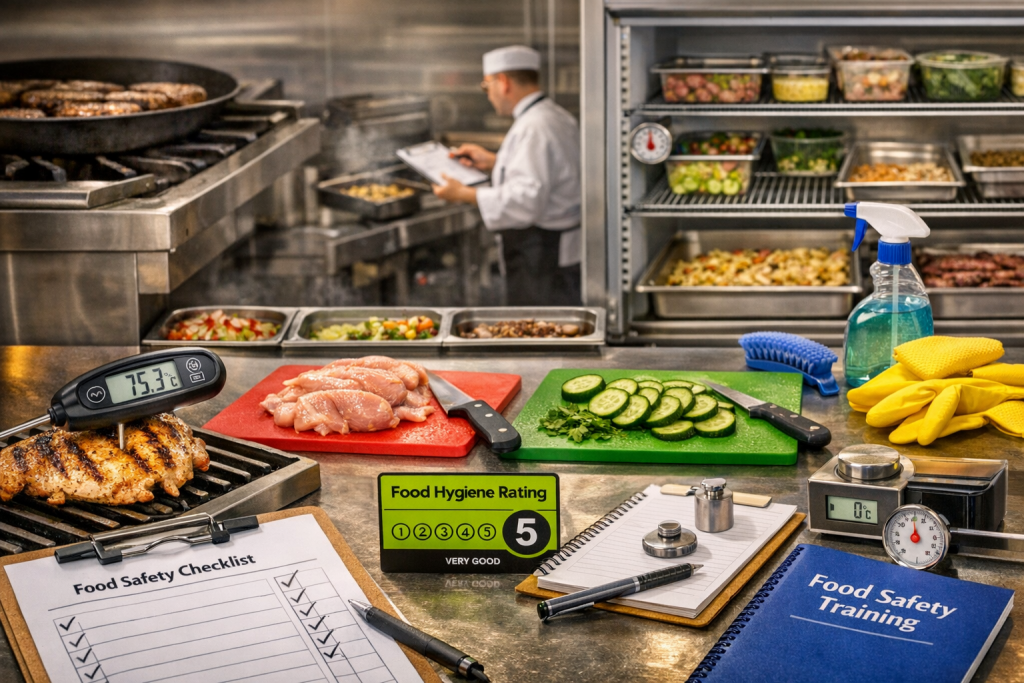
Bringing the C’s together
Food safety doesn’t need to feel overwhelming. When you focus on these C’s, things become clearer and easier to manage. They work together to protect your customers, your team and your business.
If you’re looking for a simpler way to manage checrecords and daily routines, it’s worth exploring how the Food Safety App can help save time and keep everything organised, without adding extra stress to your day.