-
If you run a catering business, understanding Listeria is an important part of good food safety management. This guide explains what causes Listeria, where the risks appear in kitchens, and how digital food safety records can help you stay compliant. Table of Contents What is Listeria? Listeria is a type of bacteria that can cause…
-
Understanding the pros and cons of SFBB can help you improve food safety management, keep reliable HACCP records, and move towards simpler digital systems like Food-Safety.app. Table of Contents What is SFBB? Safer Food Better Business (SFBB) is a food safety management pack developed by the UK Food Standards Agency (FSA). It helps small food…
-
Confused about use by and best before dates? This practical guide explains what UK catering businesses must know to manage dates safely using a food safety management system. Table of Contents What’s the Difference Between Use By and Best Before? Understanding the difference between use by and best before dates is essential for safe food…
-
If you sell pies, pasties or sausage rolls, it can be confusing to know when they must be kept hot and when they can sit on the counter. This guide explains the rules clearly and how good food safety management helps catering businesses stay compliant. Table of Contents Why the 63°C hot holding rule exists…
-
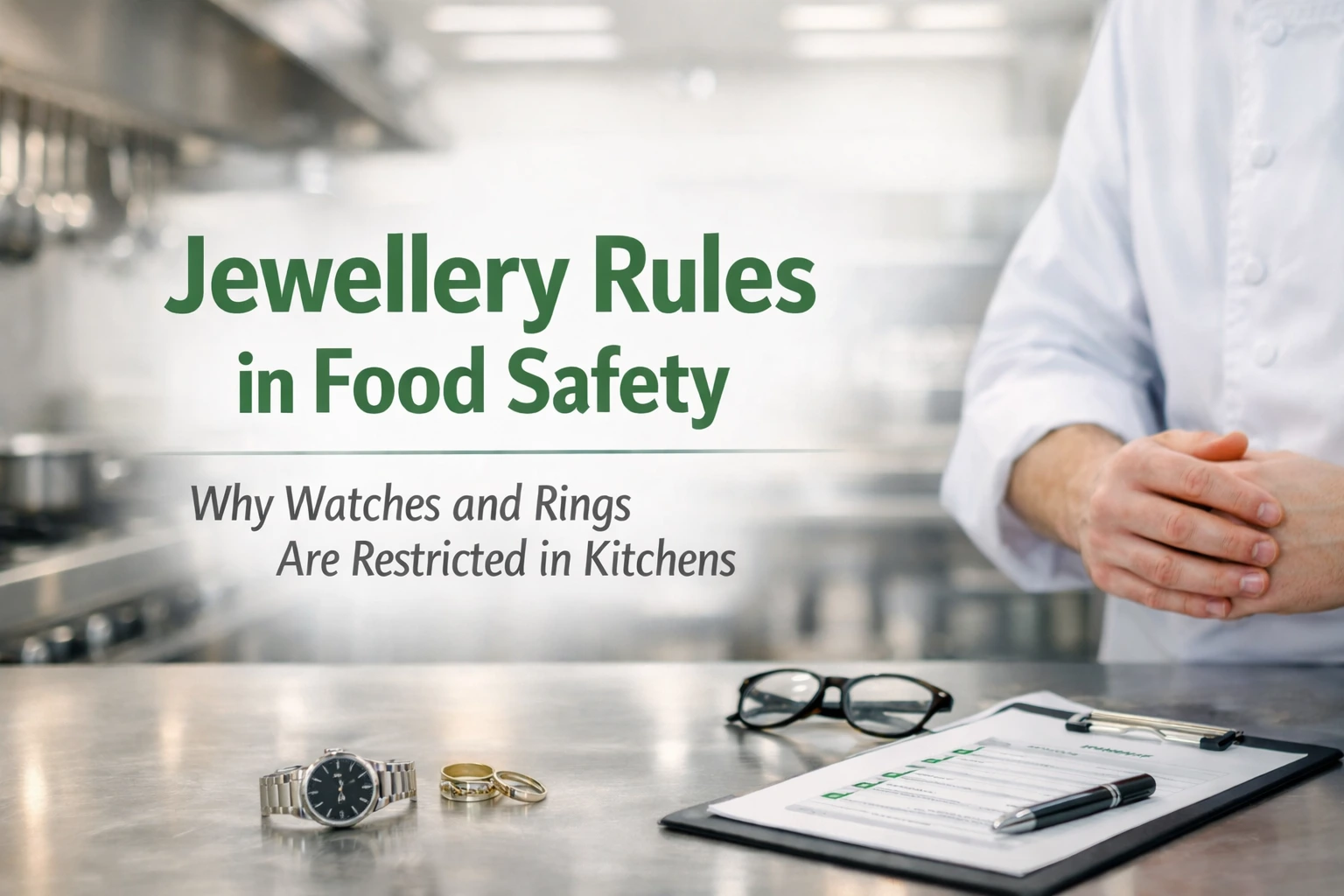
Not sure whether staff can wear jewellery or watches when handling food? This quick guide explains the rules in food safety management and how simple systems like Food-Safety.app help UK catering businesses stay compliant. Why jewellery is restricted in food preparation Jewellery and watches may seem harmless, but in a busy kitchen they can create…
-
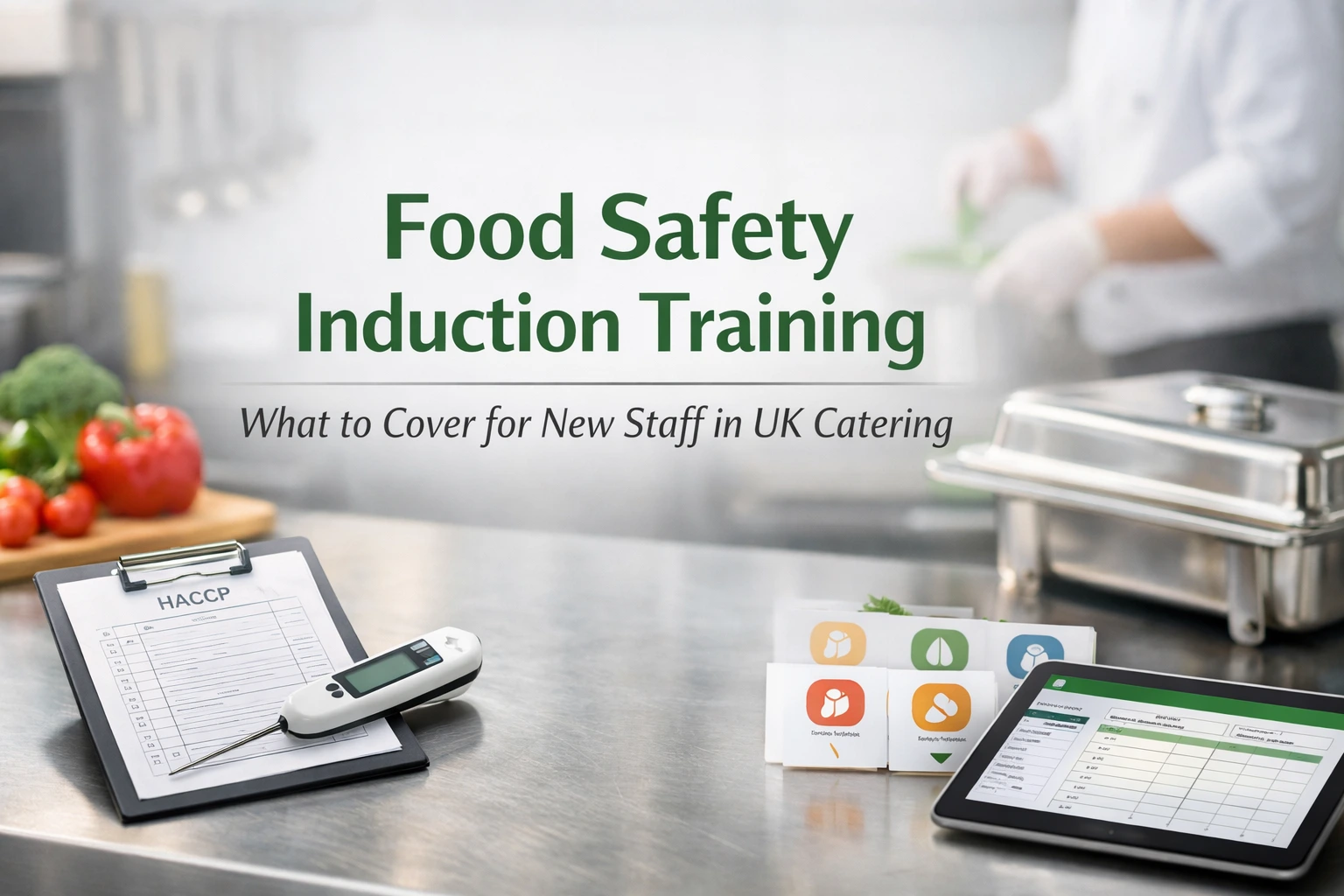
Starting a new team member properly protects your business, customers and reputation. This guide explains what to cover in food safety induction training and how a simple food safety management system can help you stay compliant and organised from day one. Table of Contents Why food safety induction matters Every food business in the UK…
-
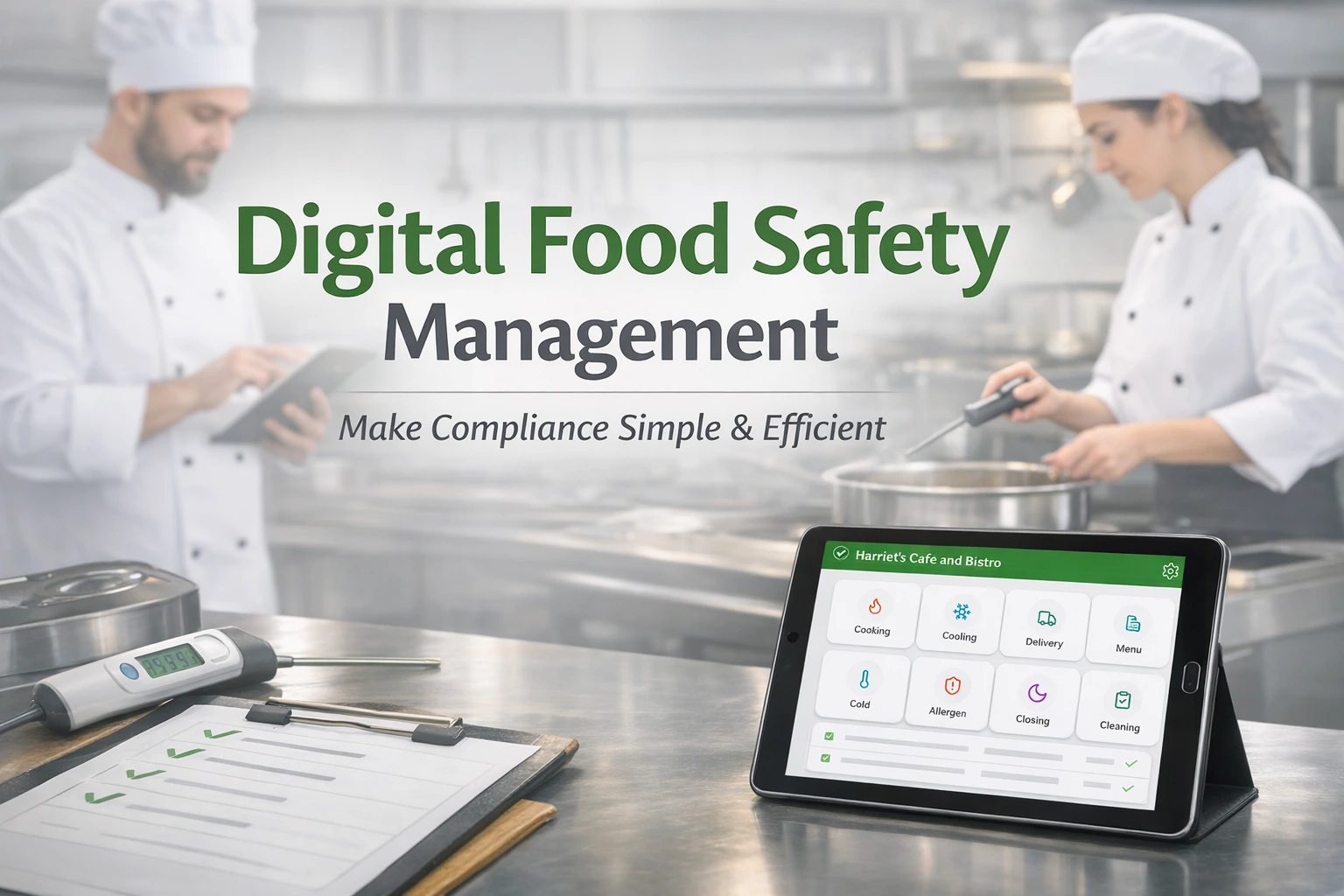
Running a café or restaurant is demanding enough without drowning in paperwork. This guide explains how digital food safety management systems help UK catering businesses stay compliant, organised and inspection-ready using simple, reliable tools like Food-Safety.app. Contents Why move to digital food safety management? Every UK food business must have a documented system for managing…
-
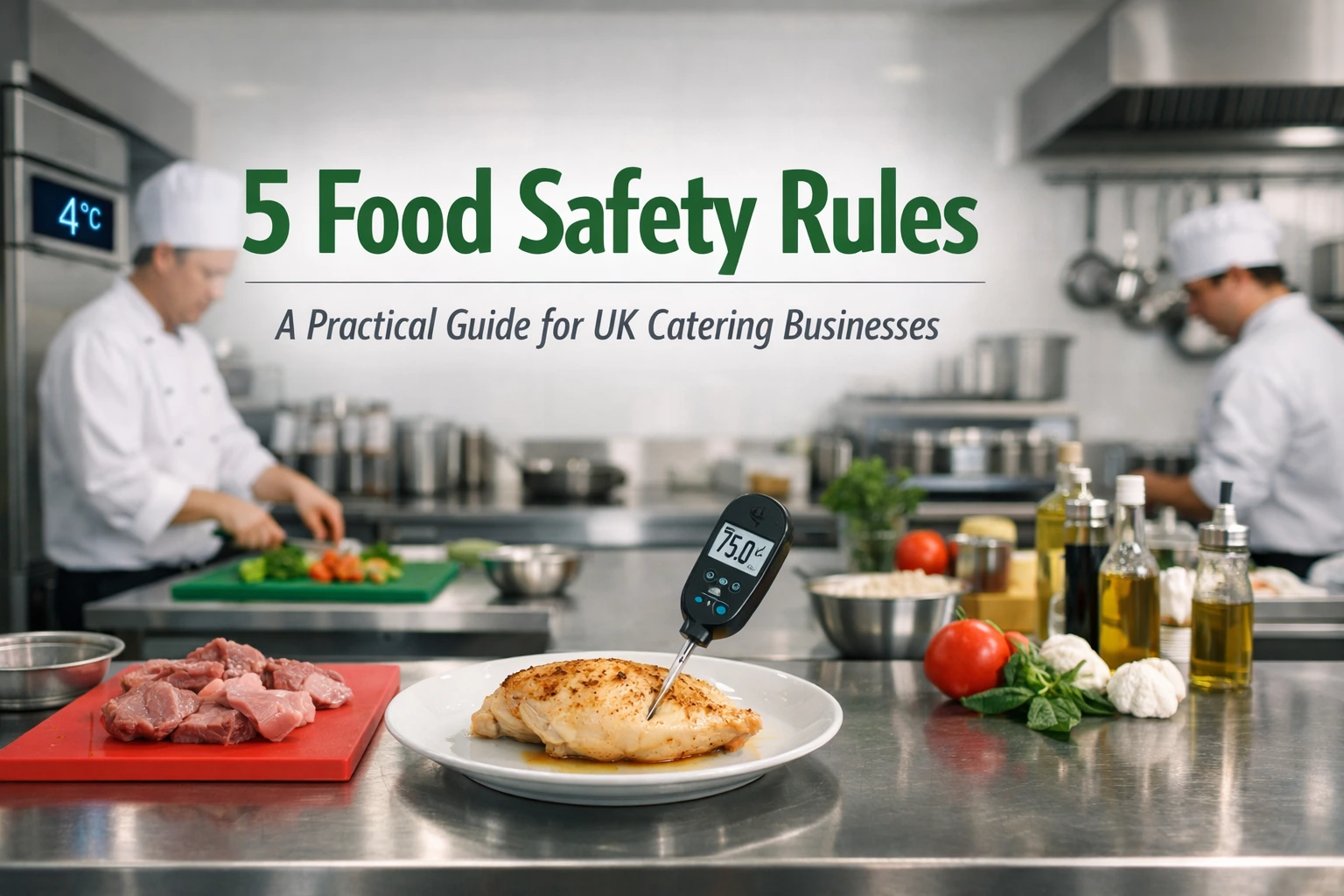
If you run a catering or hospitality business, understanding the 5 key food safety rules makes food safety management simpler and more consistent. This guide explains what they mean in practice and how a food safety app can help you stay organised and compliant. Table of Contents Why the 5 food safety rules matter The…
-
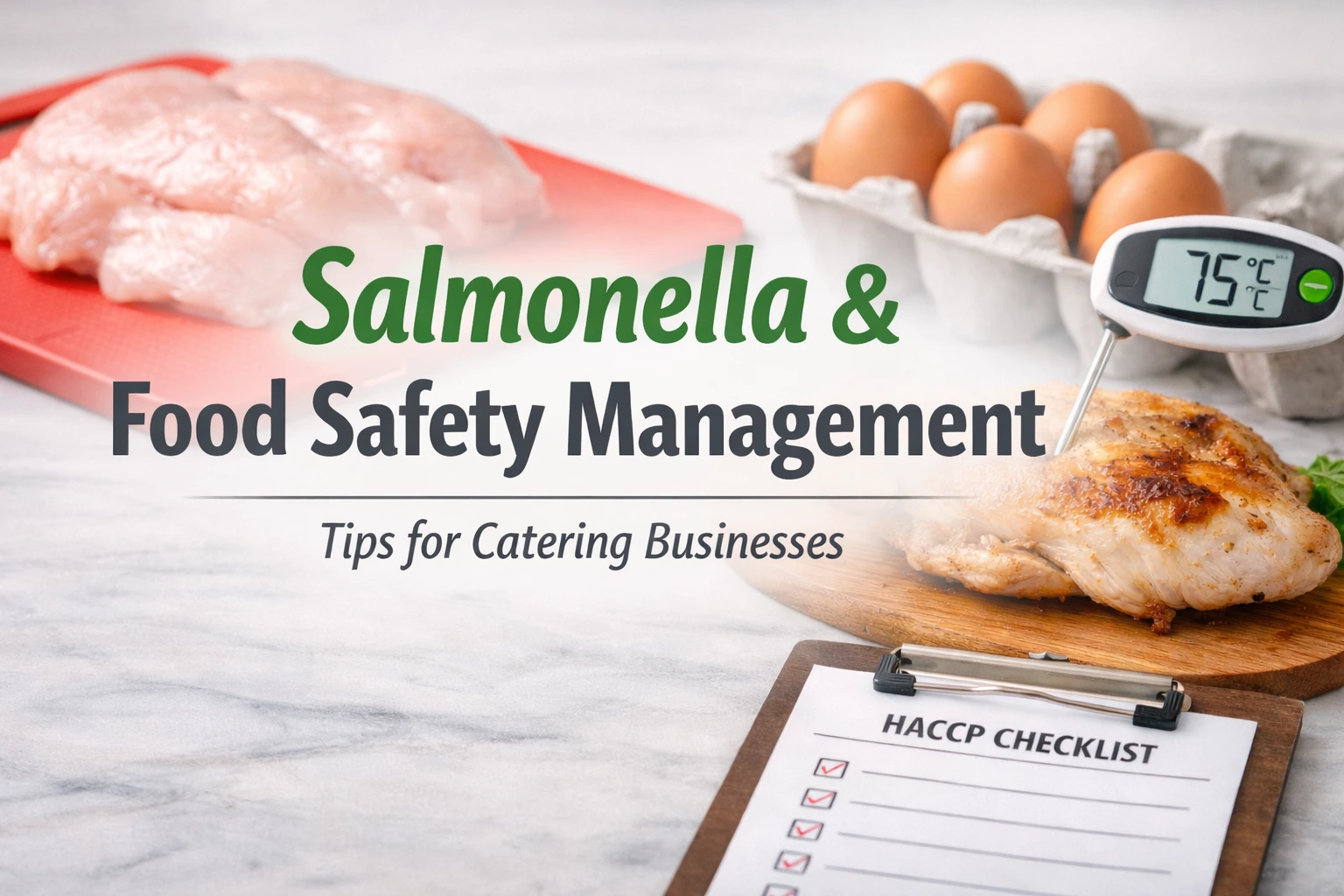
If you run a catering business, understanding Salmonella and your food safety management duties is essential. This guide explains the risks, UK legal requirements, and how digital food safety records can help you stay organised and compliant.Contents What is Salmonella? Salmonella is a type of bacteria that causes food poisoning. In the UK, it’s most…
-
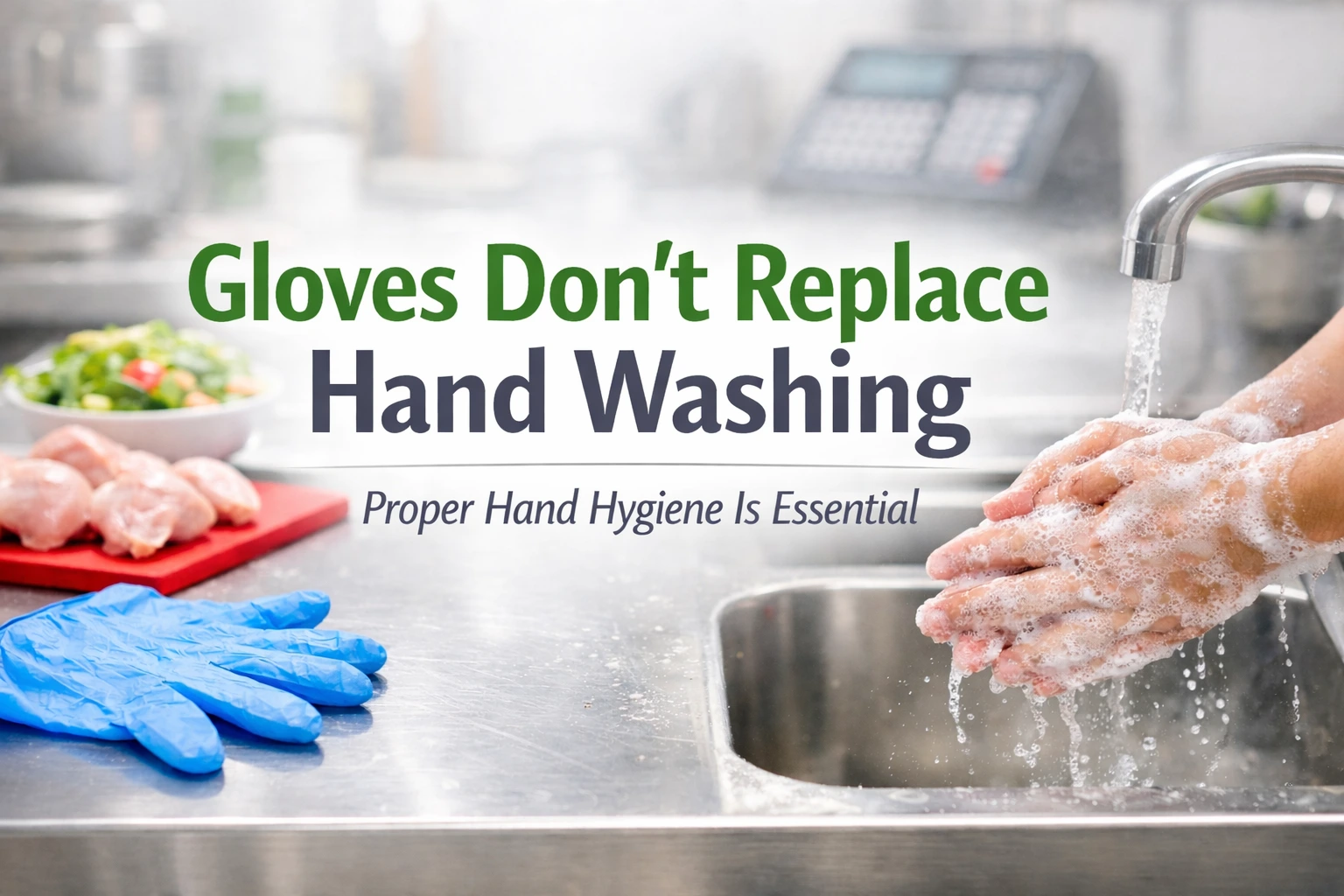
If you run a catering business, you already know that strong food safety management starts with the basics. This guide explains why gloves don’t replace hand washing, and how using the right systems, including digital food safety records, helps you stay compliant and confident. Table of Contents Why gloves aren’t enough It’s common to see…
-
Running a catering business is busy enough without second-guessing your food safety management. If you want practical advice on building strong food safety management, digital food safety records and a culture that supports compliance, you’re in the right place. Table of Contents What is food safety management? Food safety management is the structured way you…
-
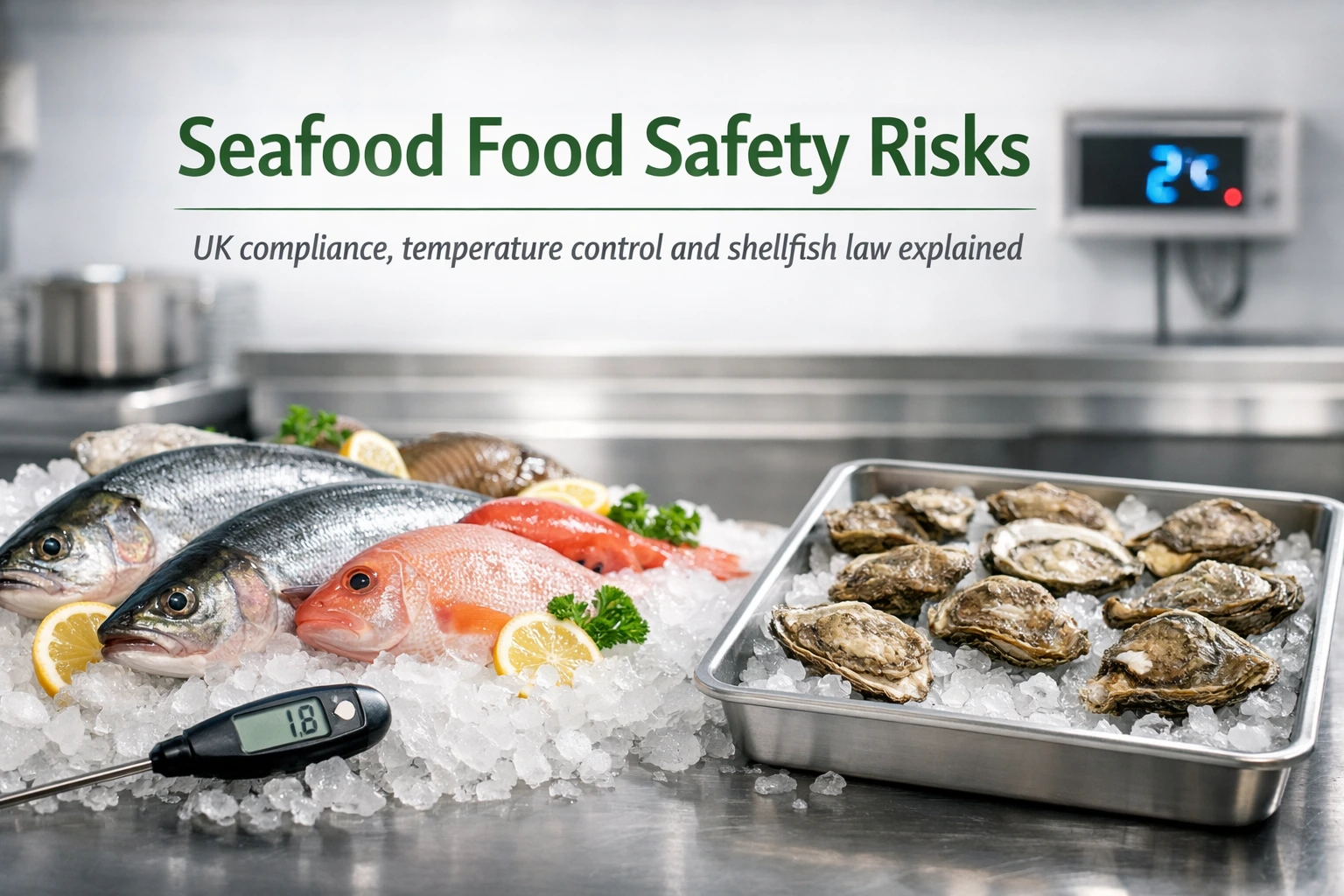
Managing seafood safely is a vital part of food safety management in UK catering businesses. This guide explains the key risks, legal duties and practical steps you need to stay compliant and protect your food hygiene rating using a reliable system like Food-Safety.app Why is seafood considered high risk? Seafood is more perishable than most…
-
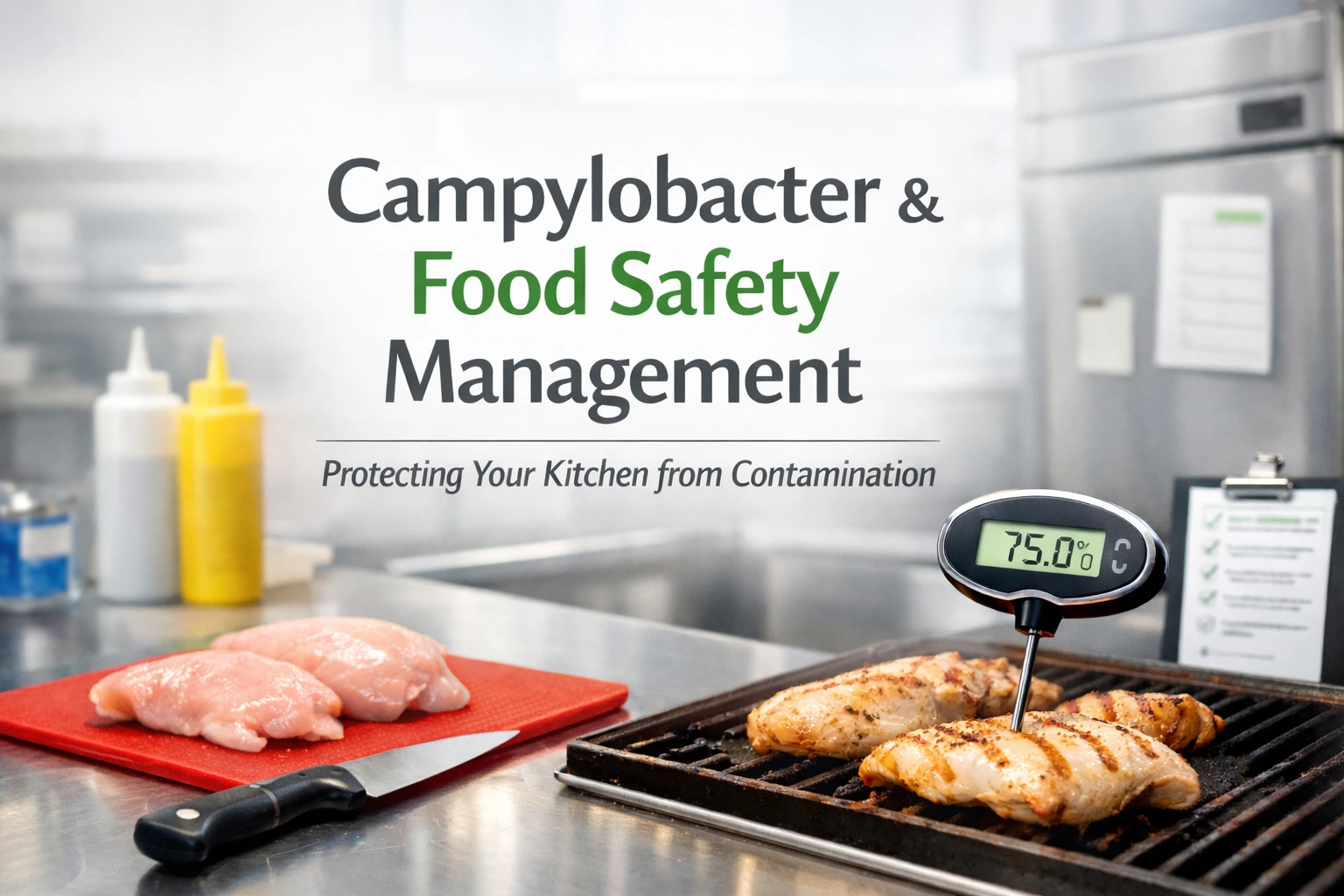
Worried about Campylobacter in your kitchen? Here’s what UK caterers need to know about food safety management, legal duties and simple controls using digital food safety records. Table of Contents What is Campylobacter? Campylobacter is the most common cause of bacterial gastroenteritis in the UK. It’s usually linked to raw and undercooked poultry, particularly chicken.…
-
If you run a busy kitchen, you already know that food safety management takes time. This guide breaks down what that time really costs and how smarter systems can protect margins using digital food safety records. How many hours are you really covering? Let’s take a realistic example. Your business opens from 6:00am to 9:00pm,…
-
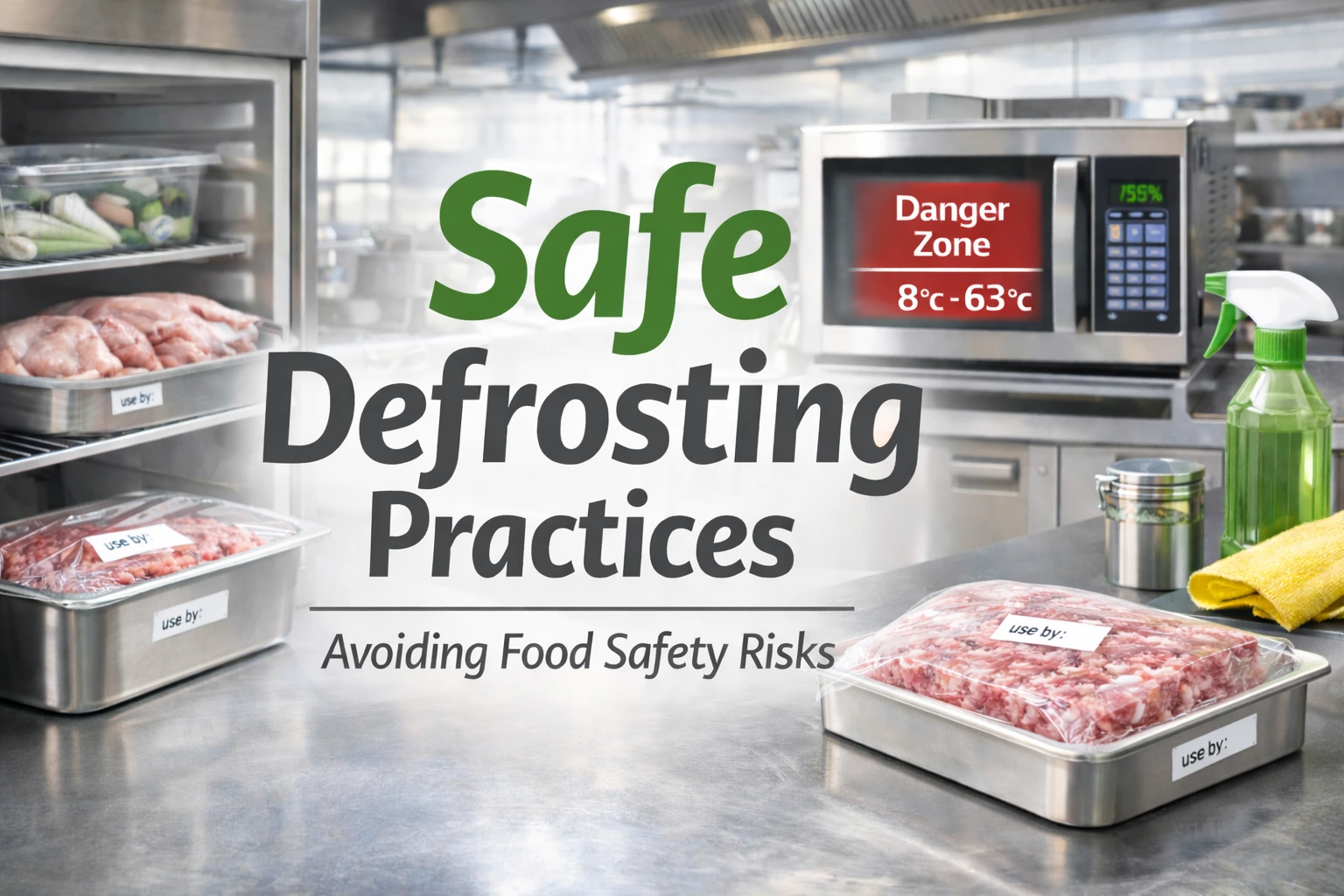
Safe defrosting is a key part of food safety management for UK catering businesses. If you’re unsure about the safest way to thaw food without risking contamination or slipping into the danger zone, you’re in the right place. This guide explains what matters, what to avoid, and how to stay compliant using simple, practical steps.…
-
If you run a catering business, knowing when staff must report illness is vital for food safety management and protecting your food hygiene rating. This guide explains the rules clearly and how a food safety app can help you stay compliant. Table of Contents Why reporting illness matters In catering and hospitality, one unwell staff…
-
If you want to improve your food hygiene rating and achieve a 5, this guide explains exactly what inspectors look for and how a food safety app can help you stay compliant without adding extra paperwork. What does a 5 food hygiene rating mean? A 5 rating under the Food Hygiene Rating Scheme (FHRS) means…
-
If you’re running a café or takeaway and need to create a HACCP plan, this guide explains it clearly and practically. Learn how to build a compliant food safety management system using simple steps and digital tools. Table of Contents What is a HACCP plan? A HACCP plan is a written system that shows how…
-
If you run a catering or hospitality business, your food safety management isn’t just about passing inspections. It protects your reputation, customers, and income. Here’s what every UK food business needs to know about managing risk and staying compliant with the help of a food safety management system. Table of Contents What is reputation risk…
-
Washing raw salads properly is a key part of food safety management in UK catering businesses, helping reduce the risk of E. coli, Salmonella and Listeria while supporting strong digital food safety records. Why washing salads matters Leafy greens, tomatoes, cucumbers and herbs are usually served raw. That means there’s no cooking step to kill…
