
Category: Running a Safer Kitchen
-
If you run or manage catering in a healthcare setting, strong food safety management matters more than ever. This guide explains what’s expected in the UK and how Food-Safety.app, a food safety management system for UK catering businesses, can help you stay compliant without adding stress. Why healthcare food safety is different Healthcare catering isn’t…
-
Food safety management doesn’t have to feel like a mountain of paperwork you can’t climb. If you run a kitchen in the UK, you’re in the right place. This guide explains what food safety management really means, who’s responsible, and how digital tools can help busy catering businesses stay compliant and inspection-ready. Table of Contents…
-
If you run a café, restaurant or takeaway, acrylamide can sound technical or intimidating. This guide explains what it means in day-to-day food safety management, what controls you actually need, and how digital food safety records can help you stay compliant and confident. Table of contents What is acrylamide and why should you care? Acrylamide…
-
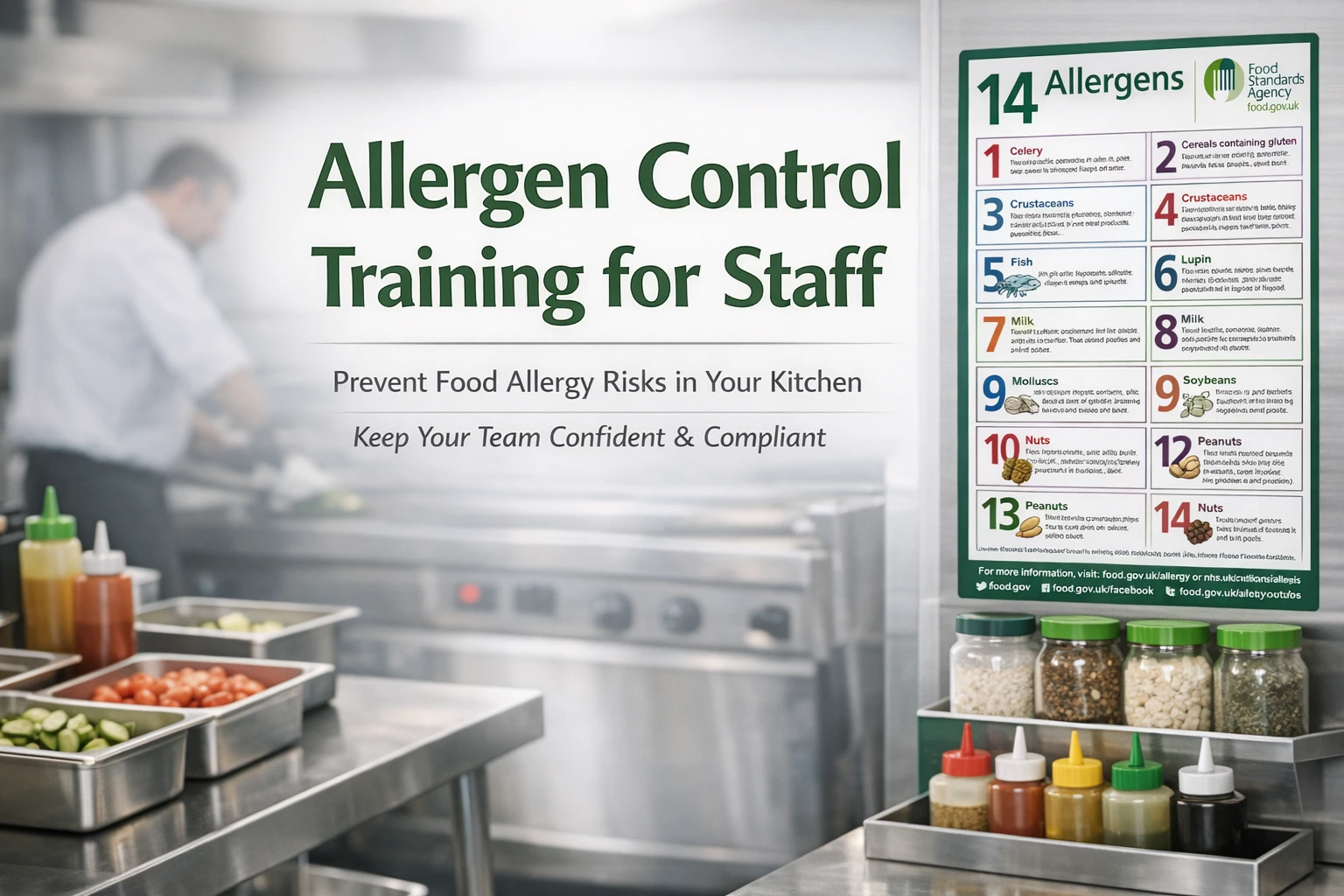
Allergen control training for staff gives busy food business owners confidence that their teams understand how to prevent food allergy risks and stay compliant using practical tools like a food safety app. Table of Contents Why allergen control training matters Allergen control training is essential for any catering or hospitality business. In the UK, food…
-
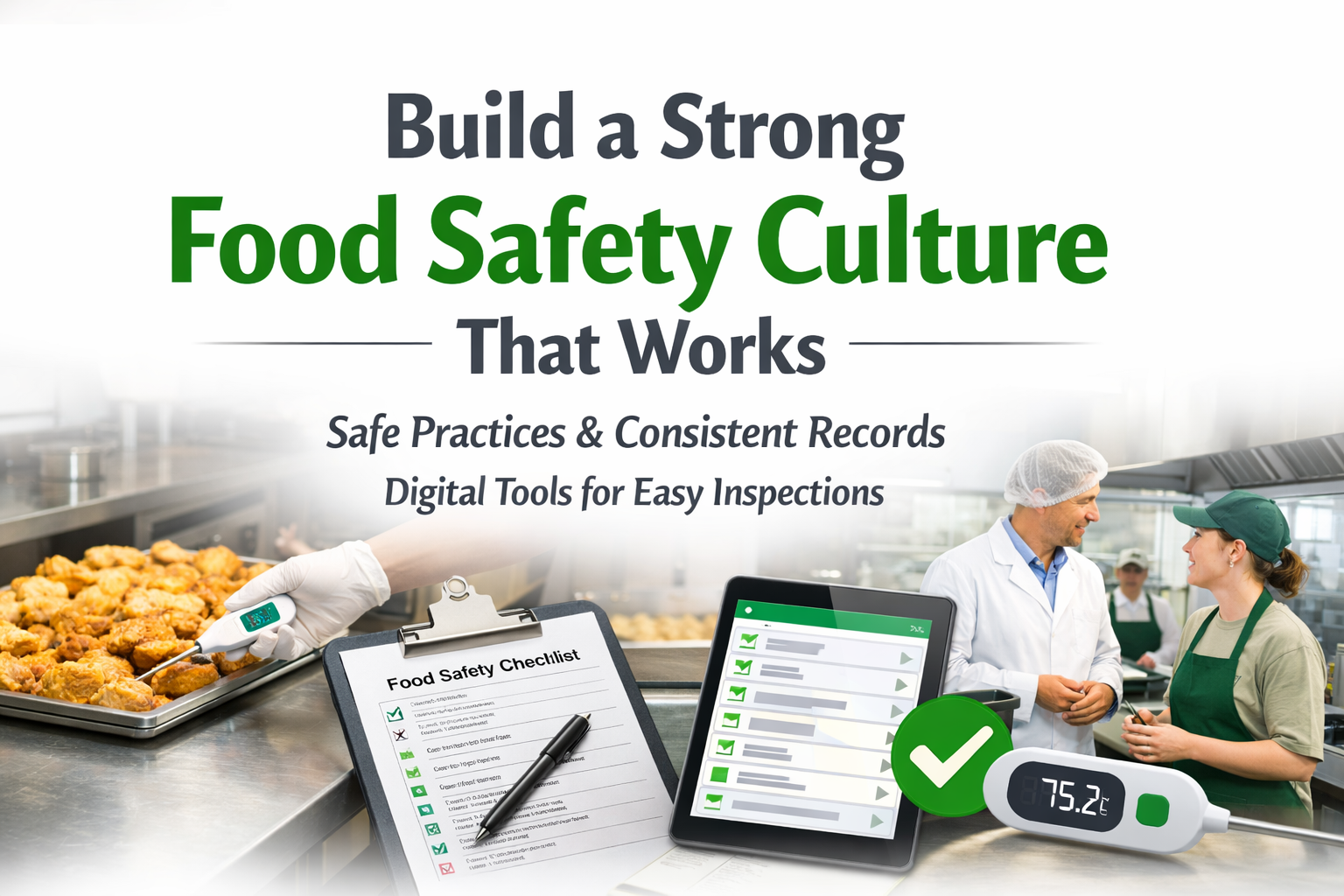
Building a strong food safety culture means embedding good habits every day so your team follows safe practices, keeps consistent food hygiene paperwork and feels confident using a food safety management system like the Food Safety App to support digital food safety and inspection readiness. What food safety culture actually is Food safety culture is…
-
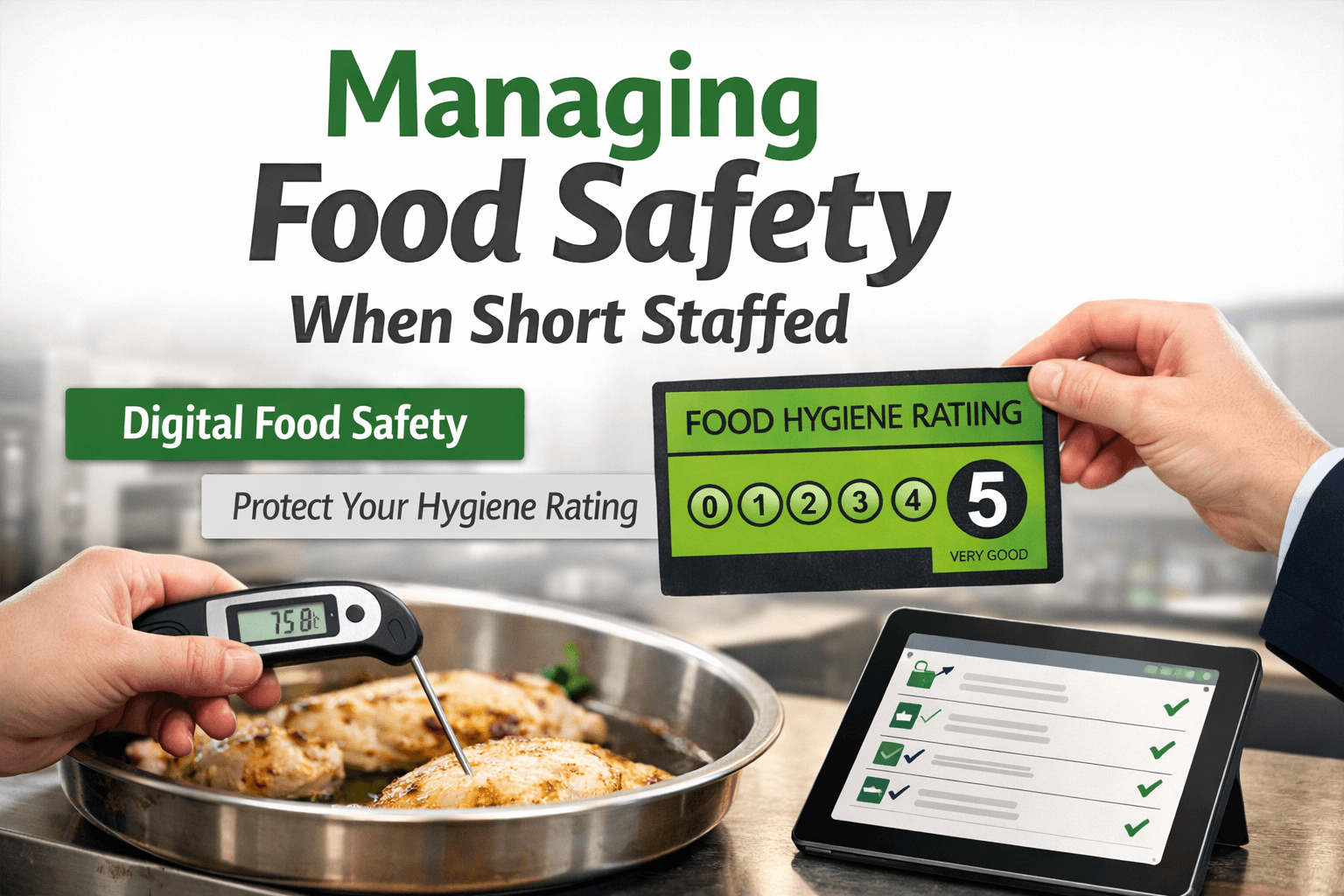
You’re short staffed and food safety feels harder than ever. The Food Safety App helps you keep checks done, digital food safety logs up to date, and food hygiene paperwork under control even when the team is thin on the ground. Why Short Staffing Pushes Food Safety Risks When you’re short staffed it’s tempting to…
-
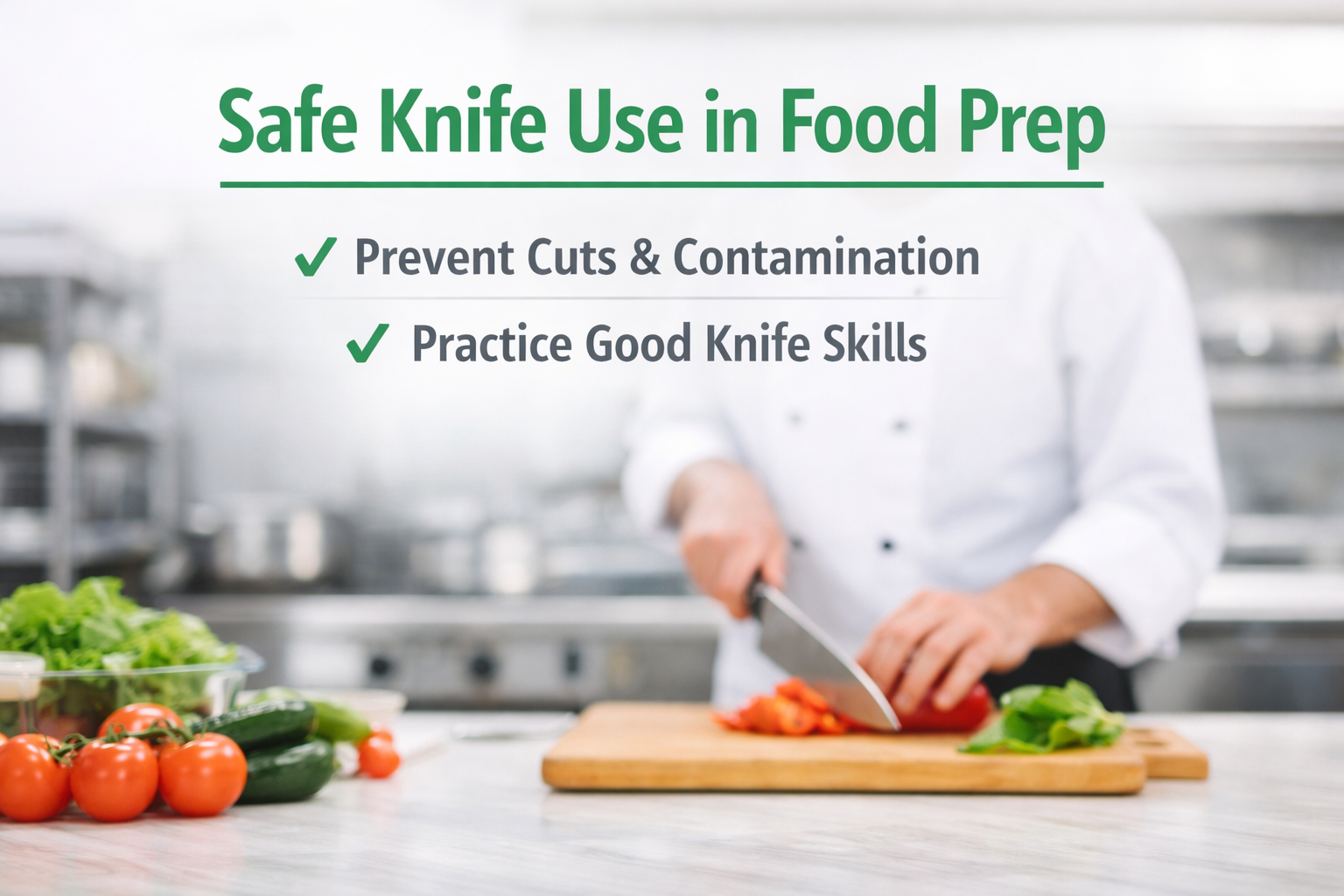
Knives are used all day in cafés, restaurants, takeaways, food trucks and small producers. They help you prep fast and serve on time. They can also cause painful cuts and risks like cross contamination if they’re used the wrong way and without good food safety practices supported by a solid food safety management system. Why…
-
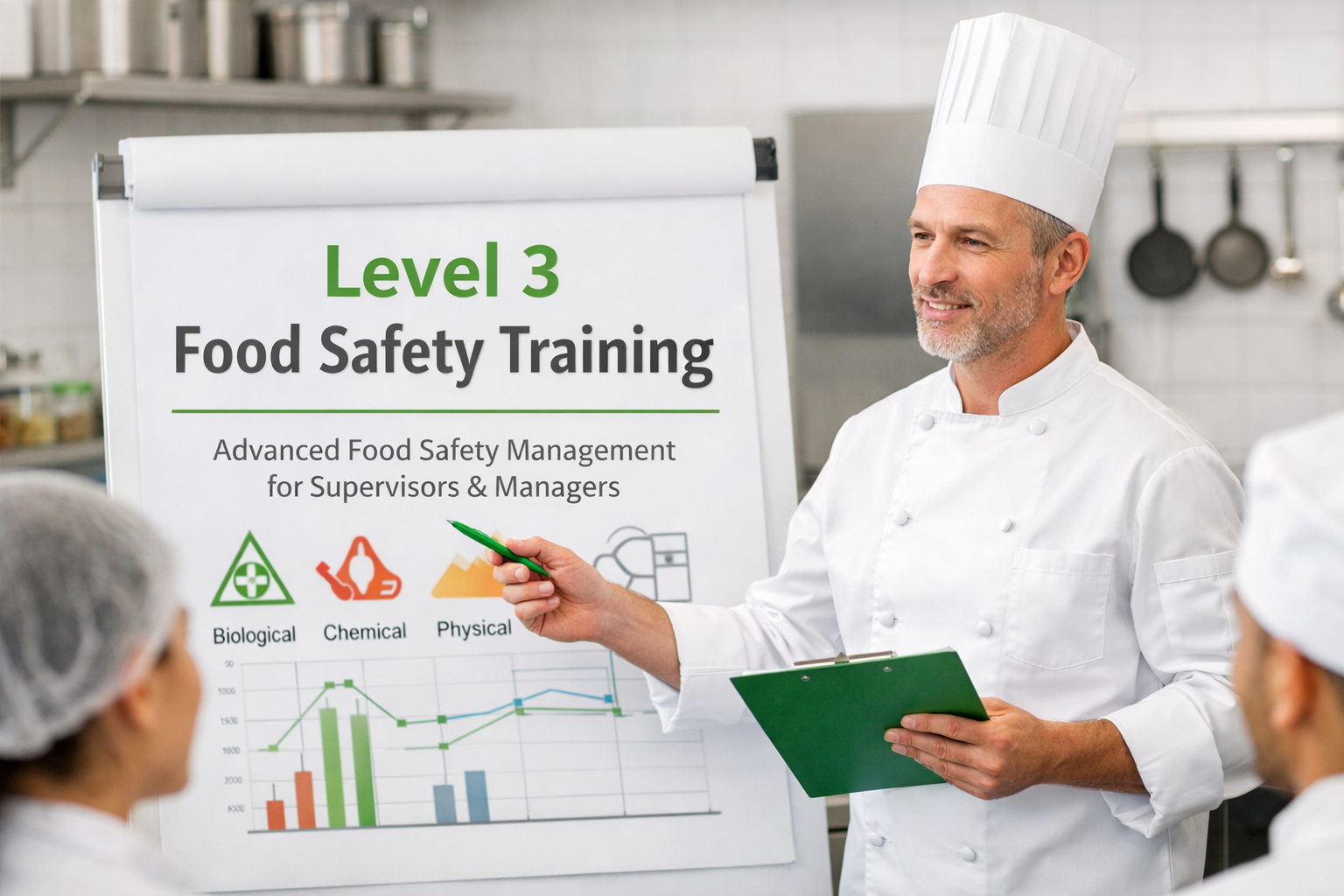
If you run a food business, you’ve likely heard about Level 3 food safety. You might even be wondering if you need it or what it actually covers. The syllabus can sound quite detailed at first. It doesn’t have to be. This guide explains the Level 3 food safety syllabus in plain language. You’ll learn…
-
If you run a food business, your premises matter more than you might think. Inspectors don’t just look at your food. They look at where you prepare it, store it and serve it. Getting your food business premises requirements right can save stress, time and money. It also helps protect your food hygiene rating. This…
-
Running a food business means you’re always juggling time, people and pressure. Most owners focus on cooking, cleaning and keeping customers happy. What often gets missed is the risk that comes from something very ordinary. People. One of the most common causes of food poisoning in UK catering starts with staff hygiene. It’s called Staphylococcus…
-
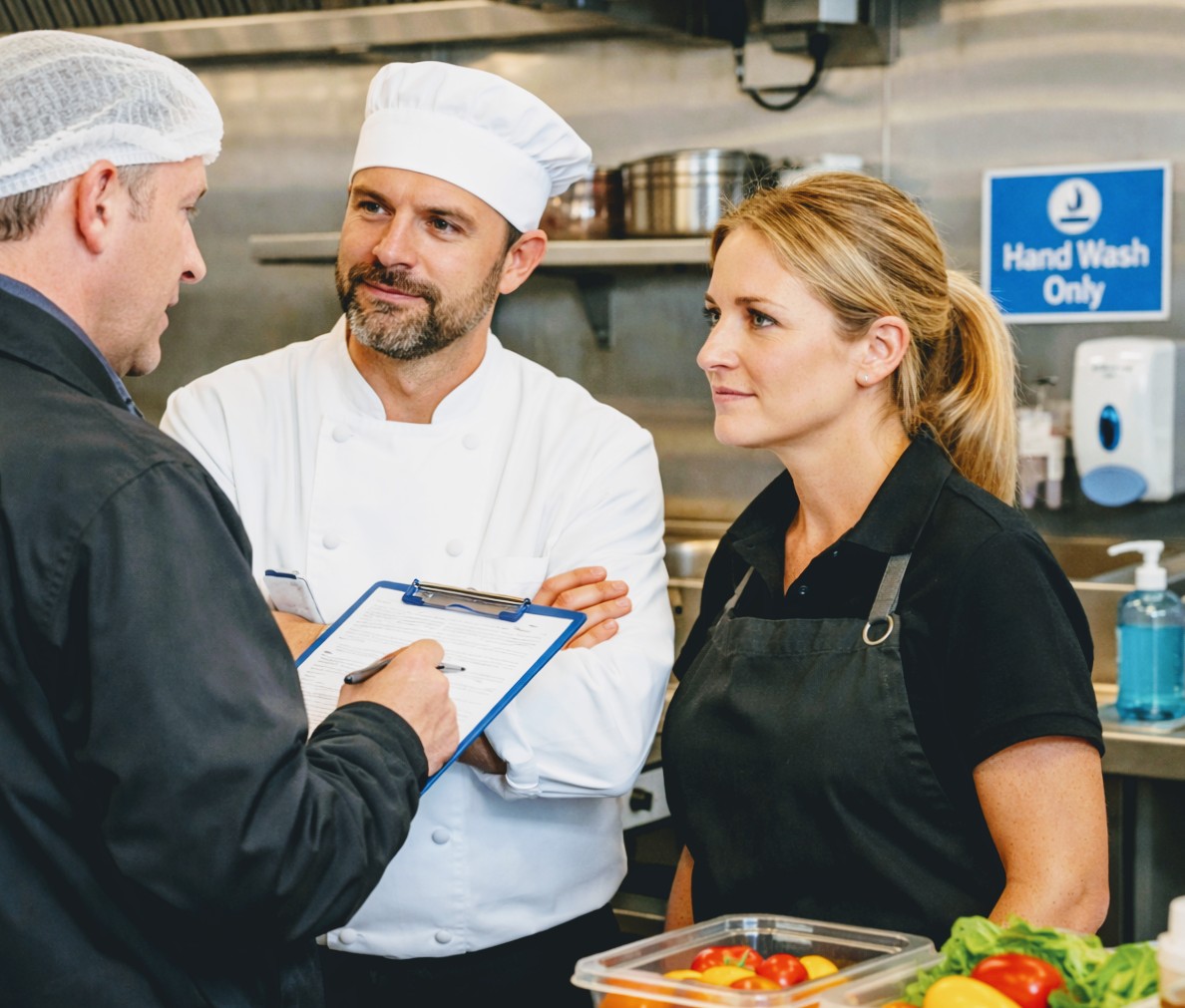
Keeping pests out of your food business starts with spotting the signs early. It’s not about being an expert. It’s about knowing what looks wrong and speaking up straight away. In cafés, restaurants, takeaways, food trucks and small producers, pest activity can appear quietly. A single dropping. A strange mark on a wall. One insect…
-
Overview Sanitisers play a big part in keeping food safe. They reduce harmful bacteria on food contact surfaces. When they’re used the right way, they protect customers, staff and your business reputation. When they’re used the wrong way, they can quietly increase risk without anyone noticing. In busy kitchens, it’s easy to rush. That’s why…
-
Getting food safety right at the door When a delivery arrives, it’s easy to feel rushed. The driver’s waiting. The kitchen’s busy. You just want to get on with the day. But this moment matters more than most. Deliveries are the first real food safety check in your business. If unsafe food comes through the…
-
FIFO, FEFO and Safe Storage Explained If stock rotation slips, food safety slips with it. It’s one of the most common things Environmental Health Officers pick up during inspections. Out-of-date food, poor labelling and messy fridges are all signs that stock control isn’t working. The good news is this. Stock rotation doesn’t need to be…
-
Running a kitchen is fast paced, noisy and often stressful. It’s also one of the highest risk workplaces in the UK. Burns, cuts, slips and fires can happen in seconds if controls aren’t in place. That’s why kitchen health and safety isn’t just paperwork. It’s about keeping your people safe and your business open. Whether…
-
Why personal hygiene matters so much Personal hygiene is one of the biggest controls in food safety. Many cases of food poisoning don’t start with spoiled food. They start with people. Hands, hair, clothing and illness can all spread harmful germs. Once these get into food, they can cause serious illness, complaints and inspections. Common…
-
Why food risk levels matter day to day Not all foods behave the same way. Some allow bacteria to grow very quickly. Others don’t support bacterial growth at all. Treating all foods the same can lead to mistakes, especially in busy environments. Most food poisoning cases come from a small number of foods that weren’t…
-
Food safety often feels simple on the surface. Food looks fine. It smells fine. It tastes fine. So it must be safe. Sadly, that’s where many food businesses get caught out. The biggest risks in food safety are invisible. Bacteria and viruses can be present in food without any warning signs at all. If you…
-
Physical contamination is one of the most damaging food safety risks in any kitchen. It’s the kind of problem customers spot straight away and never forget. A hair in a sandwich. A bit of plastic in a curry. A chip of glass on a plate. Even one small slip can undo years of hard work.…
-
In busy kitchens, shortcuts can feel normal. You’ve got orders piling up, staff asking questions and food that needs prepping now. So when frozen meat looks like it’ll thaw quicker on the counter, it’s easy to think it’s no big deal. But this one shortcut is one of the most common food safety mistakes in…