
Physical contamination is one of the most damaging food safety risks in any kitchen. It’s the kind of problem customers spot straight away and never forget. A hair in a sandwich. A bit of plastic in a curry. A chip of glass on a plate. Even one small slip can undo years of hard work.
If you run a café, restaurant, takeaway, food truck or small production kitchen, this is a risk you can’t ignore. The good news is that most physical contamination comes from everyday habits. That means it’s also one of the easiest risks to control when you know what to look for and keep things simple.
What physical contamination really means
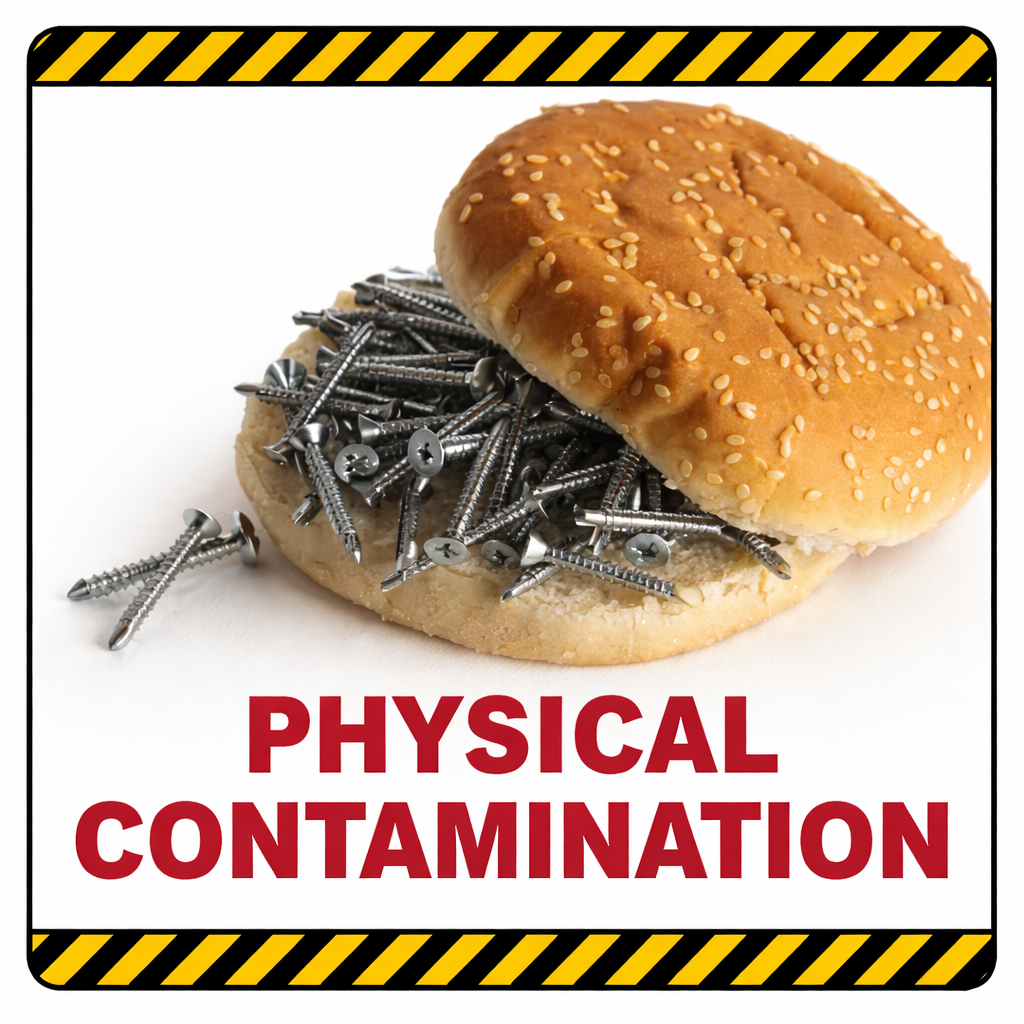
Physical contamination is when a foreign object ends up in food. It’s not meant to be there and it can cause real harm. This includes items like hair, plasters, glass, metal, plastic, wood, stones or even bits of packaging.
Unlike bacteria, you can often see physical contamination. That’s why customers react so strongly. It feels careless, even if it was an honest mistake. It can also lead to injuries, complaints, refunds and poor reviews. In serious cases, it can trigger an Environmental Health Officer visit or enforcement action.
Where physical contamination usually comes from
Most kitchens don’t have a single big cause. It’s usually lots of small risks that add up over a busy shift.
People and personal habits
- Staff are one of the biggest sources of physical contamination. Loose hair, false nails, jewellery and plasters can all fall into food if controls aren’t clear.
- Rushing makes this worse. When it’s busy, hats get skipped, sleeves get rolled down into food and gloves get reused when they shouldn’t. None of this is done on purpose. It just happens when rules aren’t simple or checked.
Equipment and tools
- Damaged equipment is another common cause. Chipped plates, cracked containers and worn utensils can shed bits into food without anyone noticing.
- Even small things matter. Loose screws on slicers. Frayed cloths. Broken handles on pans. If it’s damaged, it’s a risk.
Packaging and ingredients
- Packaging can be a hidden danger. Bits of plastic from wrap, cardboard from boxes or staples from outer packaging can all end up on prep surfaces.
- Raw ingredients can also bring risks with them. Stones in rice, shells in eggs or bits of bone in meat are all normal hazards that need checks and controls.
The kitchen environment
- Busy kitchens are full of movement. Light fittings, ceiling panels, vents and shelves all sit above food areas. If they’re dirty or damaged, they can drop debris straight onto food.
- Poor storage also plays a role. Items stored too high or stacked badly can fall into open food during service.
Simple personal hygiene rules that work
You don’t need long rulebooks. You need clear habits that everyone follows, every shift.
Hair must be covered. That means hats, caps or hairnets that actually stay on. Long hair should always be tied back.
Jewellery should be kept to a minimum. Plain wedding bands are usually fine. Watches, bracelets and rings with stones should stay off the food area.
Plasters must be blue and waterproof. If a plaster falls off, food should be thrown away. No debate. It’s never worth the risk.
Clean uniforms matter. Aprons should be changed if they get dirty. Wiping hands on clothes spreads risk fast.
Keeping tools and equipment safe
A quick check at the start of the day can prevent most issues. Look for cracks, chips and loose parts. If something looks wrong, take it out of use straight away.
Use colour coded equipment properly. This helps avoid cross contamination and makes damaged items easier to spot.
Store tools safely when not in use. Knives left on edges or utensils stored loosely can fall into food during prep.
Cleaning is part of control. Dirt can hide damage. Clean equipment shows wear more clearly and helps staff notice problems sooner.
Managing storage and workspaces
Good storage reduces stress and mistakes. Keep food covered where possible. Use containers with lids that fit properly and aren’t cracked.
Avoid overfilling shelves. Nothing should be stored where it can drop into open food below.
Keep packaging out of prep areas. Decant ingredients properly and remove outer boxes and wraps before food handling starts.
Clear workspaces help too. Less clutter means fewer chances for foreign objects to end up where they shouldn’t be.
Why checks and records matter
Many small businesses rely on memory. That works until someone is off sick or the kitchen is under pressure.
Simple checks help spot risks early. Equipment checks, opening checks and cleaning checks all play a role in preventing physical contamination.
Records protect you. If there’s a complaint or inspection, being able to show what you check and when builds trust fast. It also helps staff take responsibility, because they know standards are being followed.
Digital records make this easier. No lost paperwork. No guessing what was done. Everything is there when you need it.
The real cost of getting it wrong
Physical contamination doesn’t just affect one plate. It affects reputation. Customers talk. Reviews last. Trust is hard to rebuild.
It can also affect inspections. Repeated issues can lower your food hygiene rating. That impacts footfall and confidence straight away.
Most owners don’t struggle because they don’t care. They struggle because they’re busy. Systems that save time and reduce thinking help everyone do the right thing, even on the hardest days.
Making food safety part of daily routine
The strongest kitchens don’t rely on luck. They rely on habits. Clear rules. Simple checks. Team accountability.
When food safety fits naturally into the shift, it stops feeling like extra work. It becomes part of how the kitchen runs.
That’s where the Food Safety App can help. It keeps checks, equipment records and training in one place. Staff know what to do. Managers can see what’s been done. You spend less time chasing paperwork and more time running your business.
If you want food safety to feel simpler and more under control, it’s worth exploring how the app can support your daily routine and save you time.