-
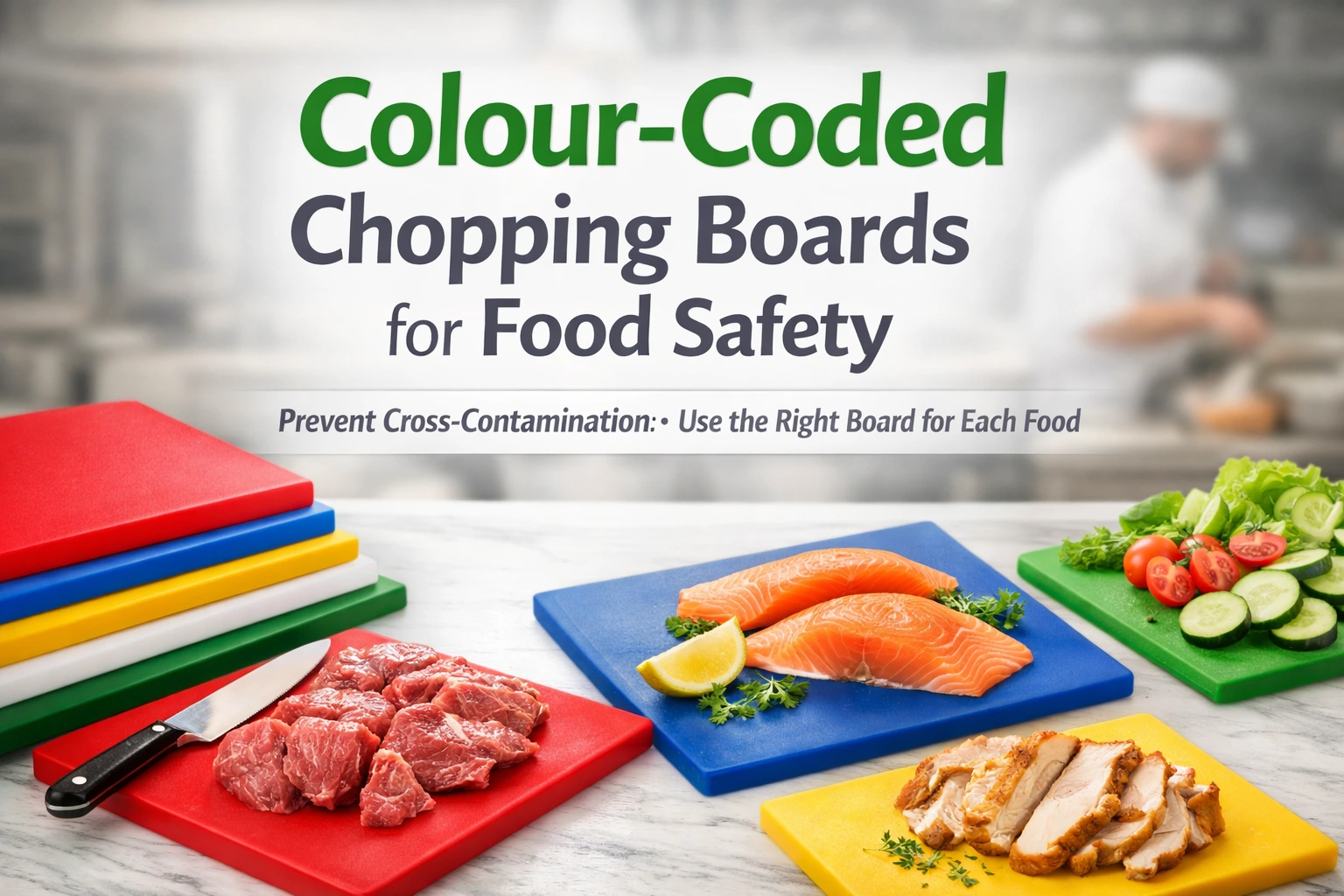
Colour-coded chopping boards are a basic but powerful way to prevent cross-contamination in busy catering and hospitality kitchens. Whether you’re prepping salads, raw meat or cooked food, using the right board colour helps your team follow safer prep routines, supports your food safety management system and makes food hygiene checks simpler to manage with digital…
-
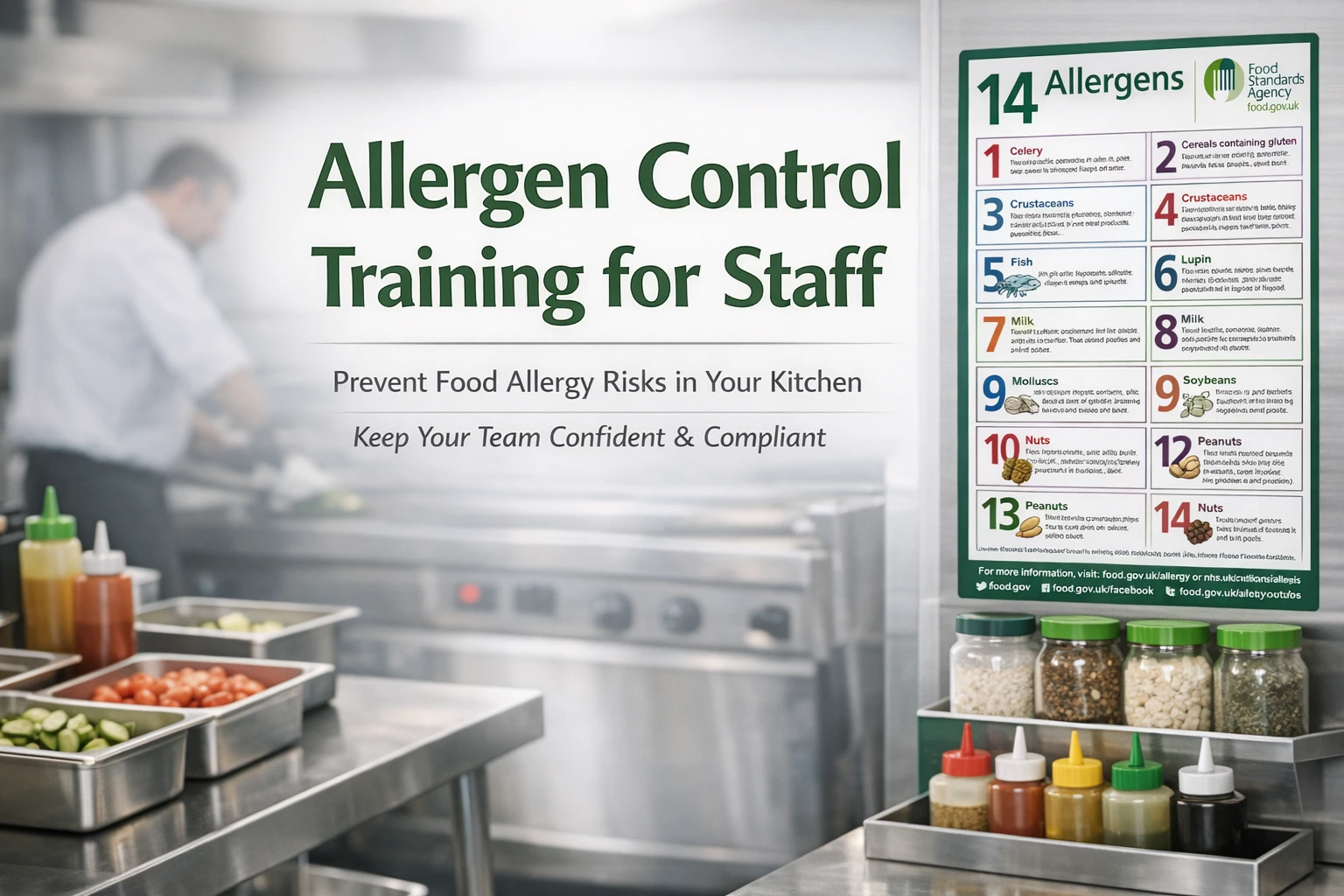
Allergen control training for staff gives busy food business owners confidence that their teams understand how to prevent food allergy risks and stay compliant using practical tools like a food safety app. Table of Contents Why allergen control training matters Allergen control training is essential for any catering or hospitality business. In the UK, food…
-
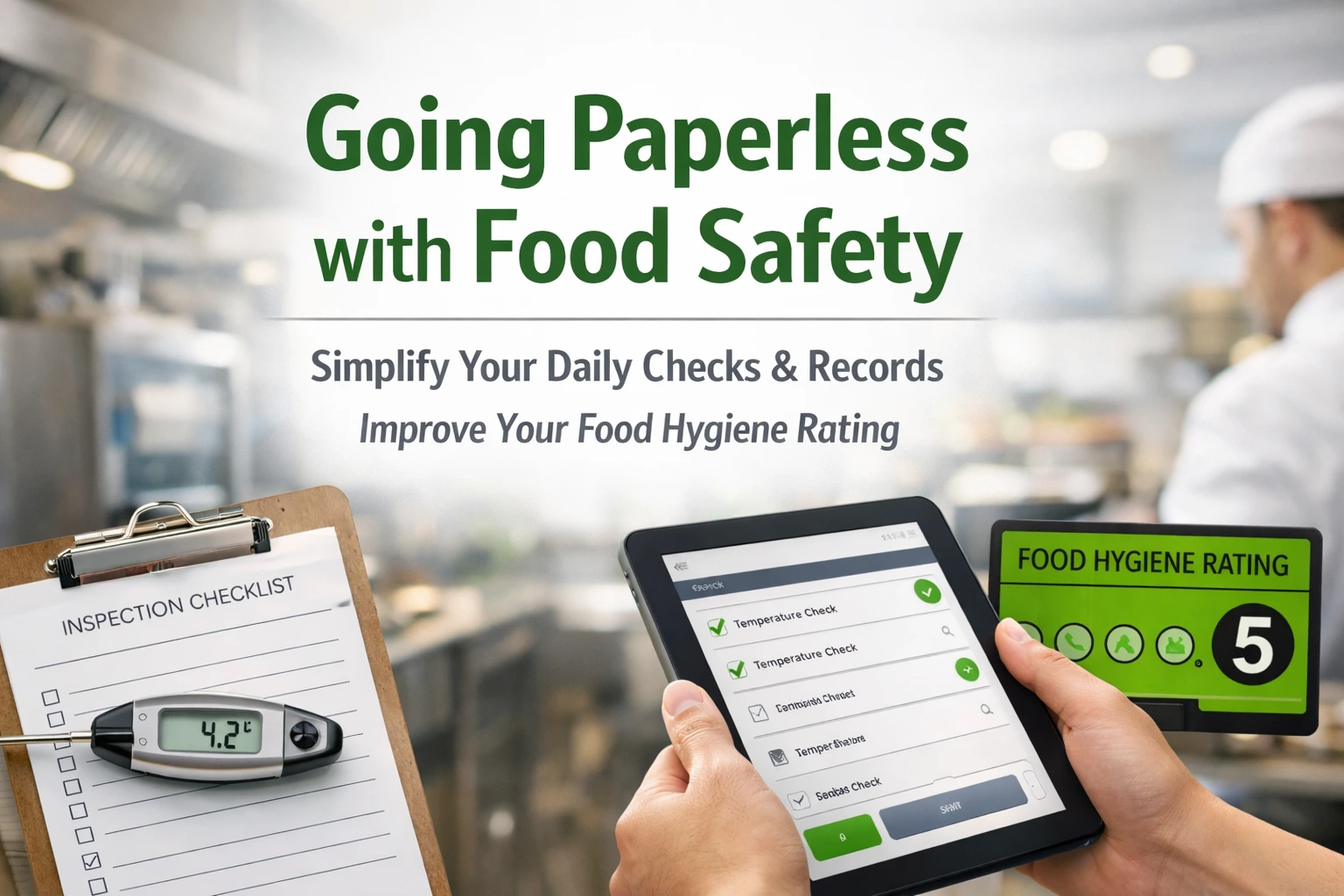
If you want an easier way to protect your food hygiene rating and stay on top of food safety without drowning in paperwork, you’re in the right place. This guide explains simple steps busy UK hospitality owners can use to improve compliance with a practical digital food safety management system. Table of Contents Why Food…
-
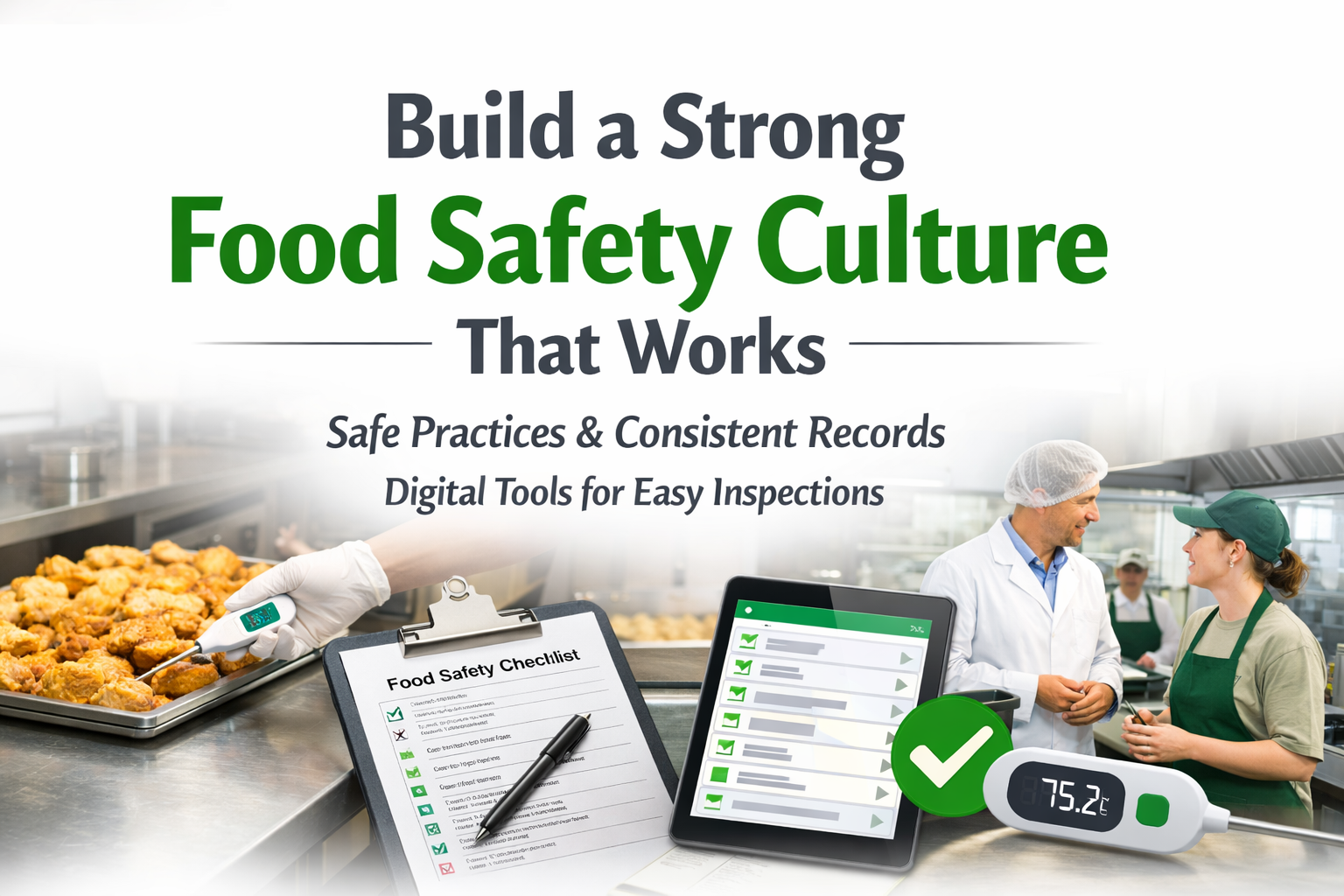
Building a strong food safety culture means embedding good habits every day so your team follows safe practices, keeps consistent food hygiene paperwork and feels confident using a food safety management system like the Food Safety App to support digital food safety and inspection readiness. What food safety culture actually is Food safety culture is…
-
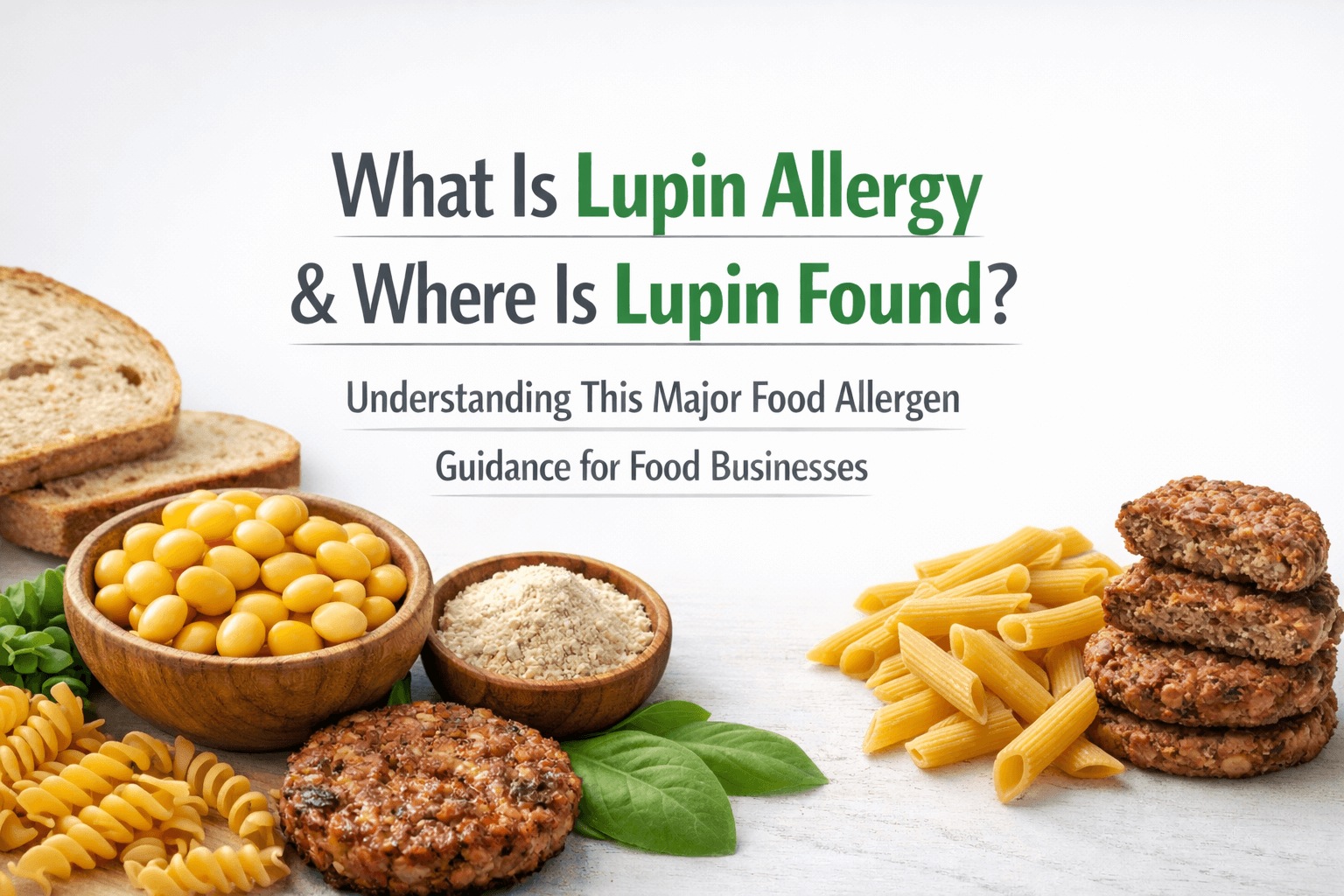
Lupin is one of the UK’s 14 recognised allergens and food businesses must understand what it is, where it’s used and how to manage lupin safely with guidance from the Food Safety App. What Is Lupin As An Allergen Lupin is a legume related to peanuts and soybeans, listed as one of the UK’s 14…
-
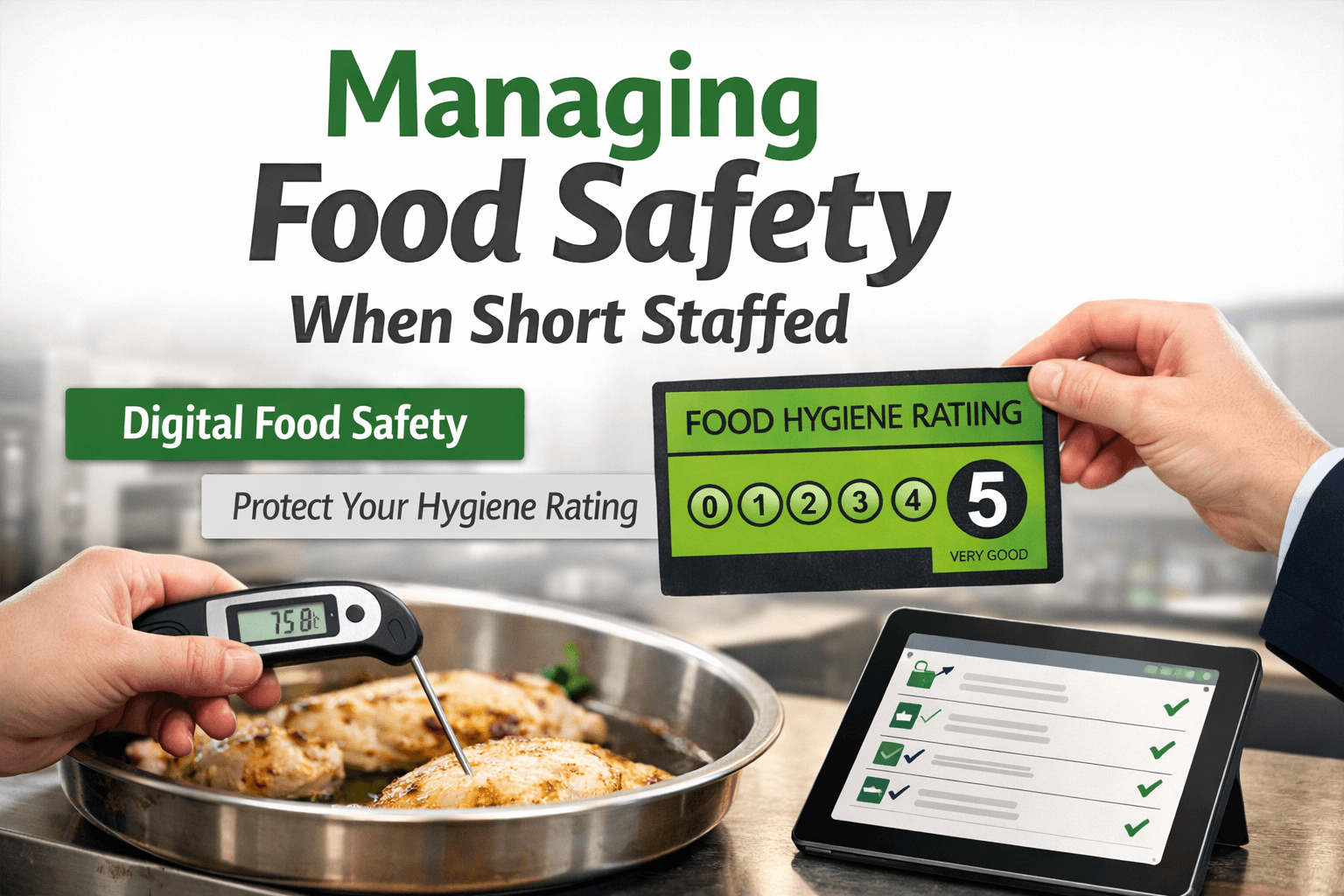
You’re short staffed and food safety feels harder than ever. The Food Safety App helps you keep checks done, digital food safety logs up to date, and food hygiene paperwork under control even when the team is thin on the ground. Why Short Staffing Pushes Food Safety Risks When you’re short staffed it’s tempting to…
-
Foodborne illness can spread fast and damage trust quickly. Understanding common causes like norovirus, E. coli and Salmonella and controlling them with a strong food safety management system keeps customers safe and your business running smoothly, with organised digital food safety records always ready for inspection. This article looks at key hazards and what really…
-
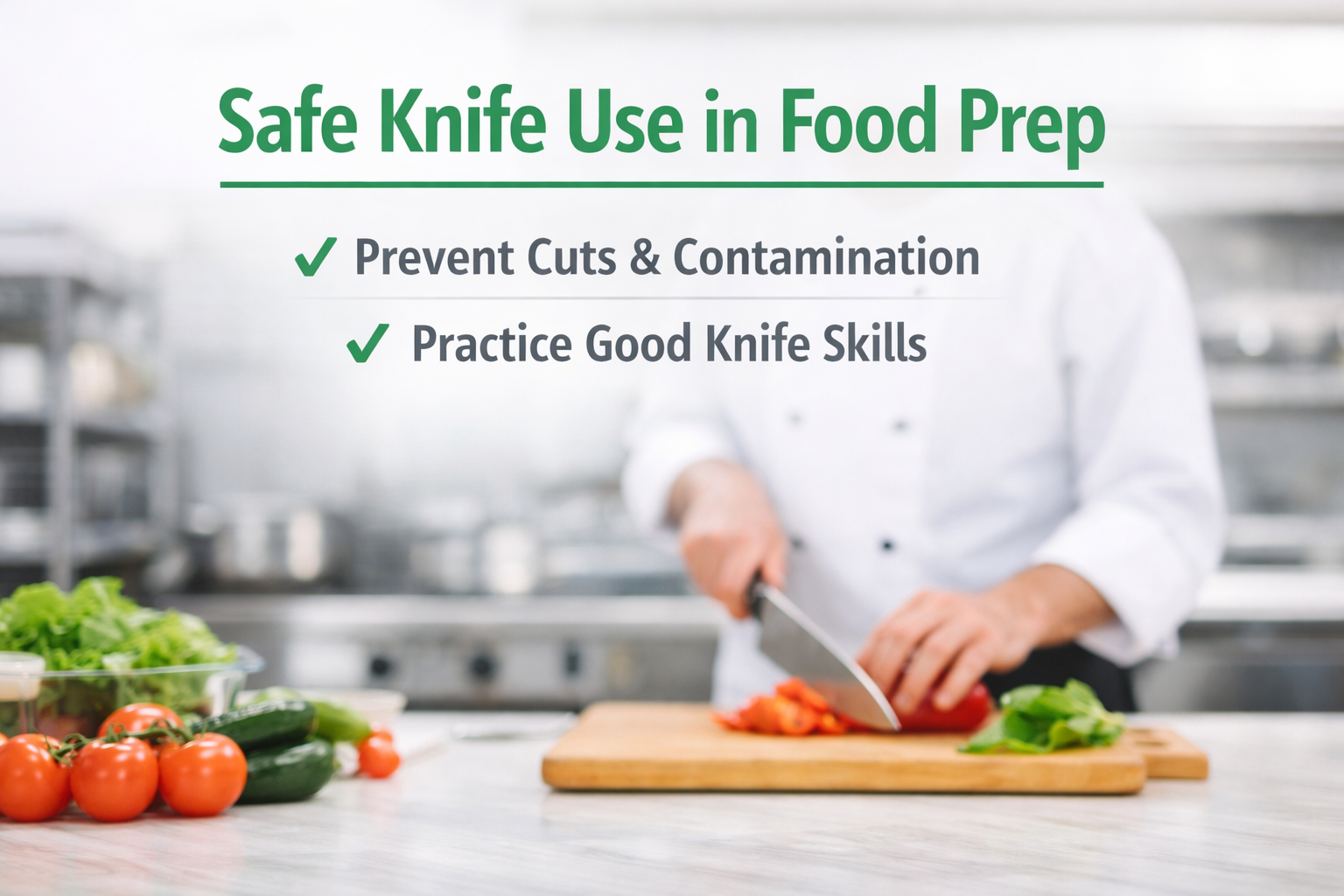
Knives are used all day in cafés, restaurants, takeaways, food trucks and small producers. They help you prep fast and serve on time. They can also cause painful cuts and risks like cross contamination if they’re used the wrong way and without good food safety practices supported by a solid food safety management system. Why…
-
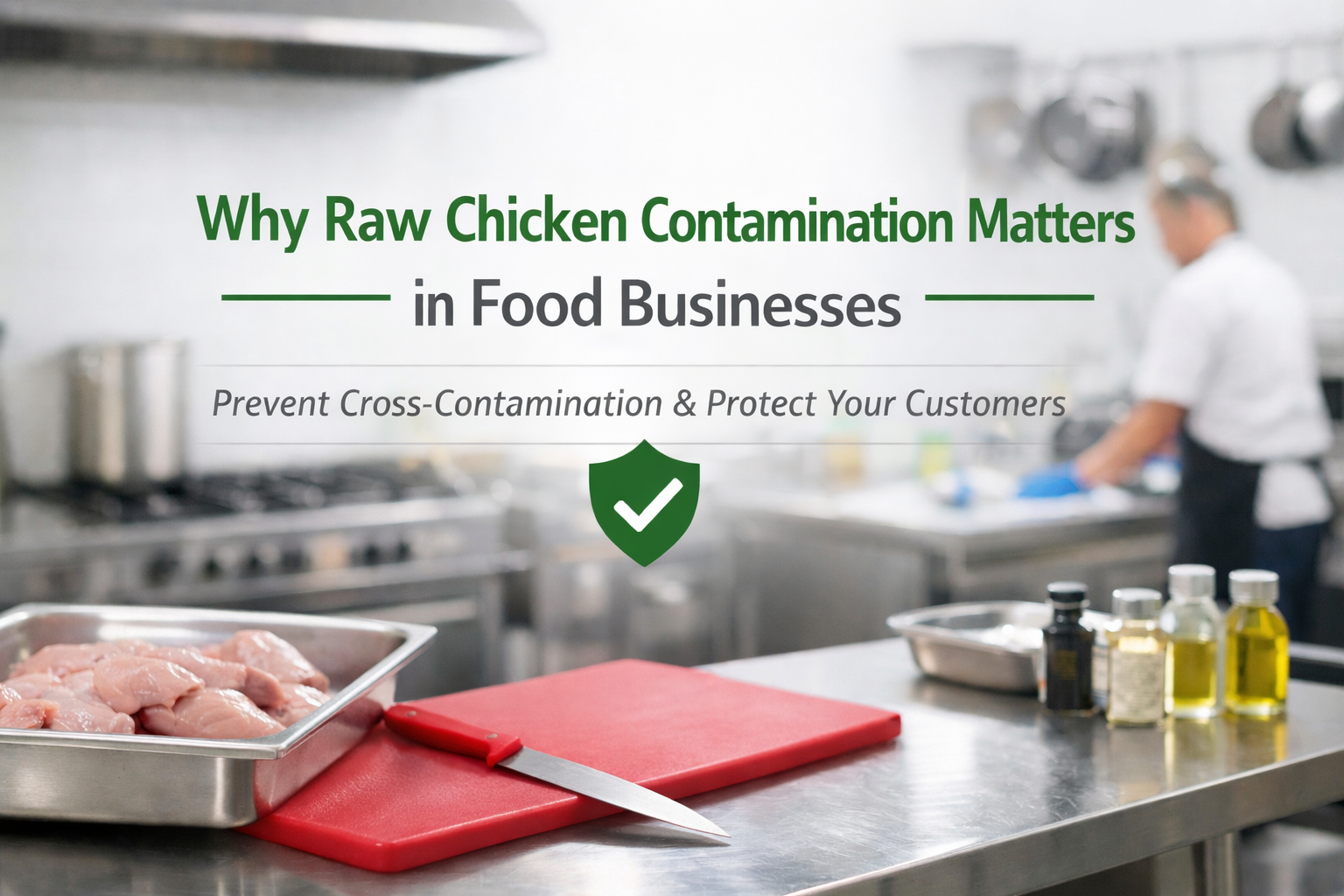
Raw chicken is one of the main causes of food poisoning in kitchens when it’s not handled safely. Bacteria like Campylobacter and Salmonella are commonly found in raw poultry and can spread easily without careful controls. (Food Standards Agency) For food businesses, preventing contamination from raw chicken is part of your food safety management system…
-
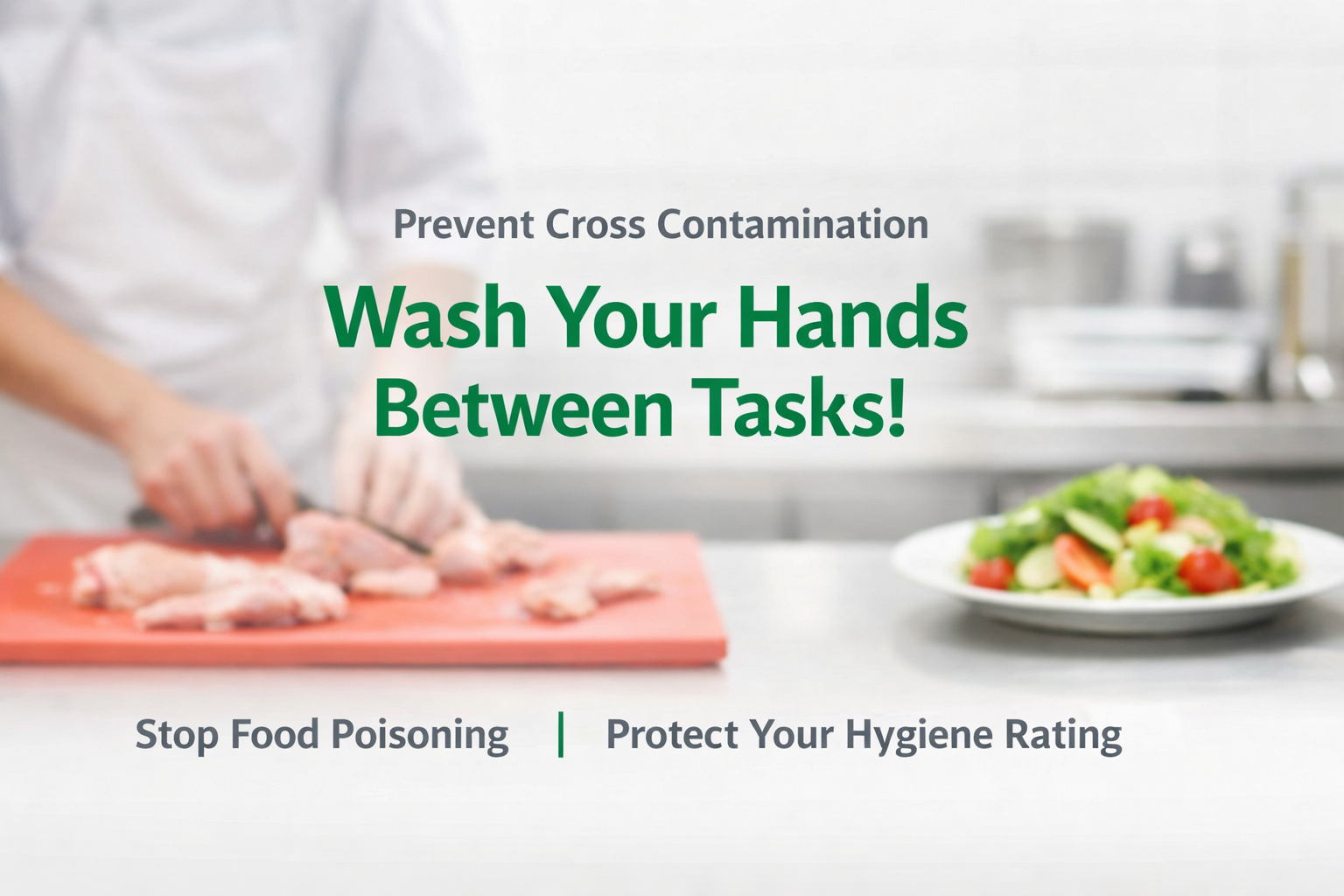
Not washing hands between tasks increases the risk of cross contamination, food poisoning and low food hygiene ratings, and it undermines your food safety management system and digital food safety records in your food-safety app. Why hand washing matters more than you think Your hands touch food, equipment, packaging and surfaces all day. Each task…
-
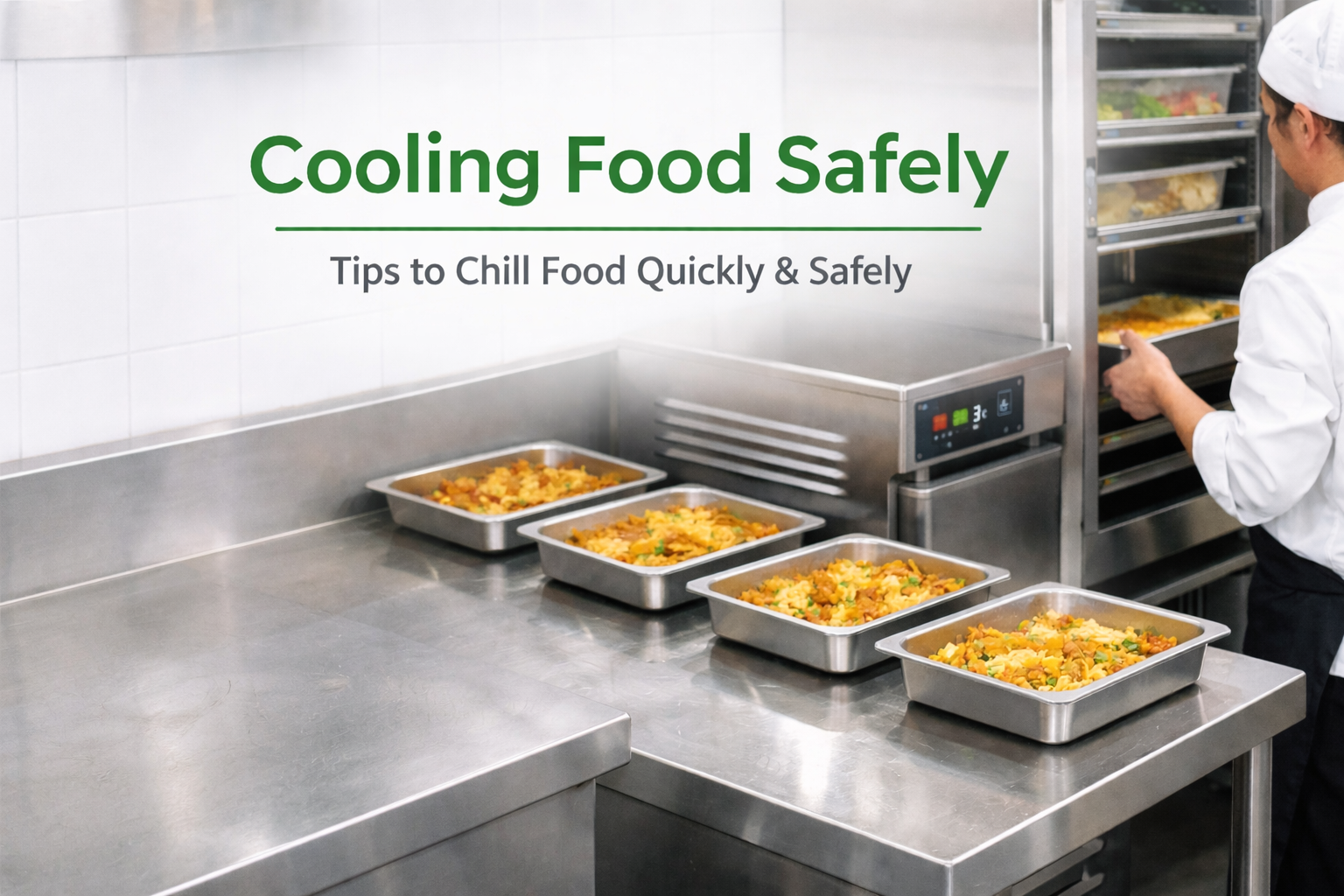
Cooling food safely is one of those jobs that sounds simple but causes a lot of food safety problems. You cook food. You cool it. You store it. Easy, right? In reality, this step is where many food hygiene ratings drop. It’s also where food poisoning risks creep in if things aren’t done right. If…
-
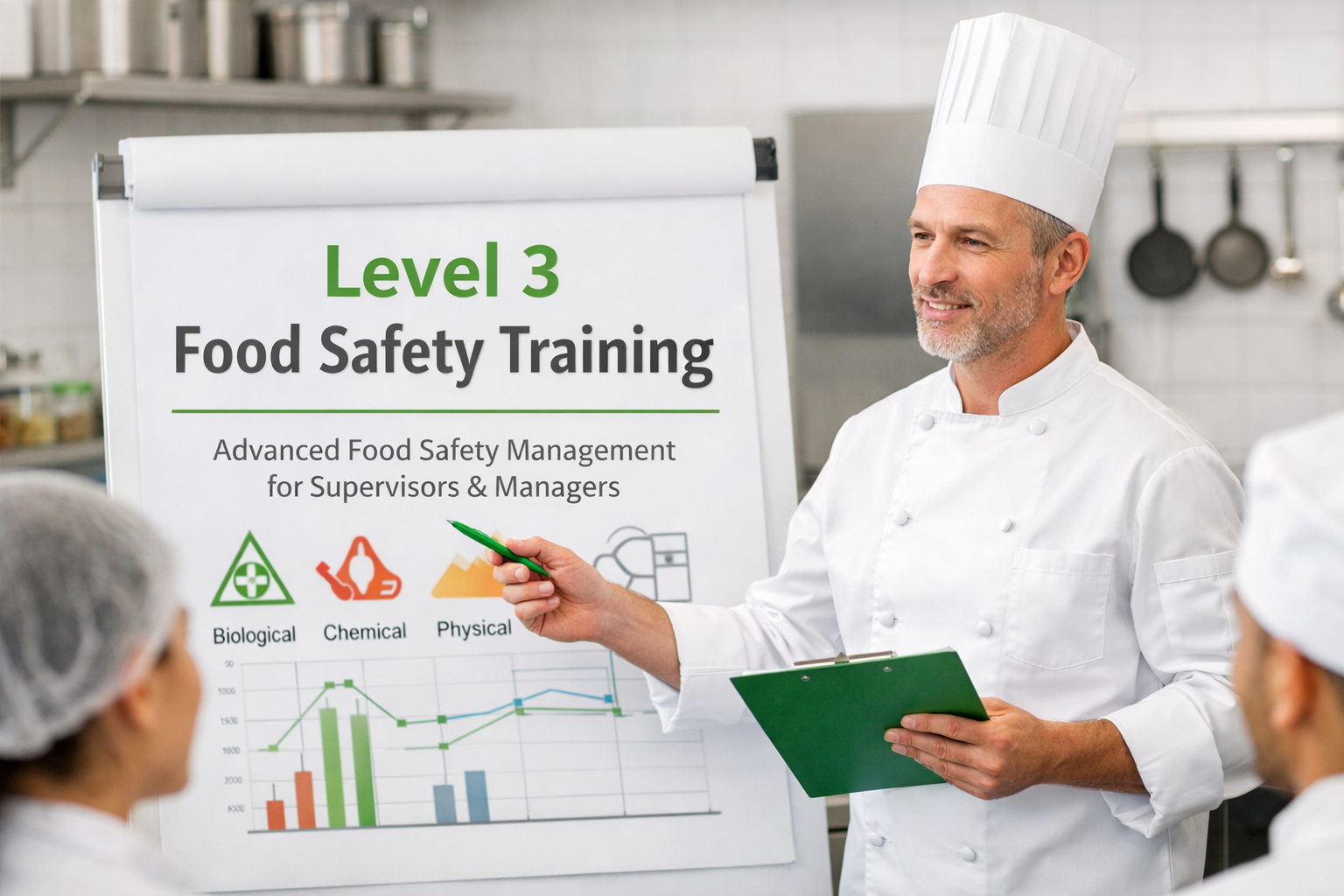
If you run a food business, you’ve likely heard about Level 3 food safety. You might even be wondering if you need it or what it actually covers. The syllabus can sound quite detailed at first. It doesn’t have to be. This guide explains the Level 3 food safety syllabus in plain language. You’ll learn…
-
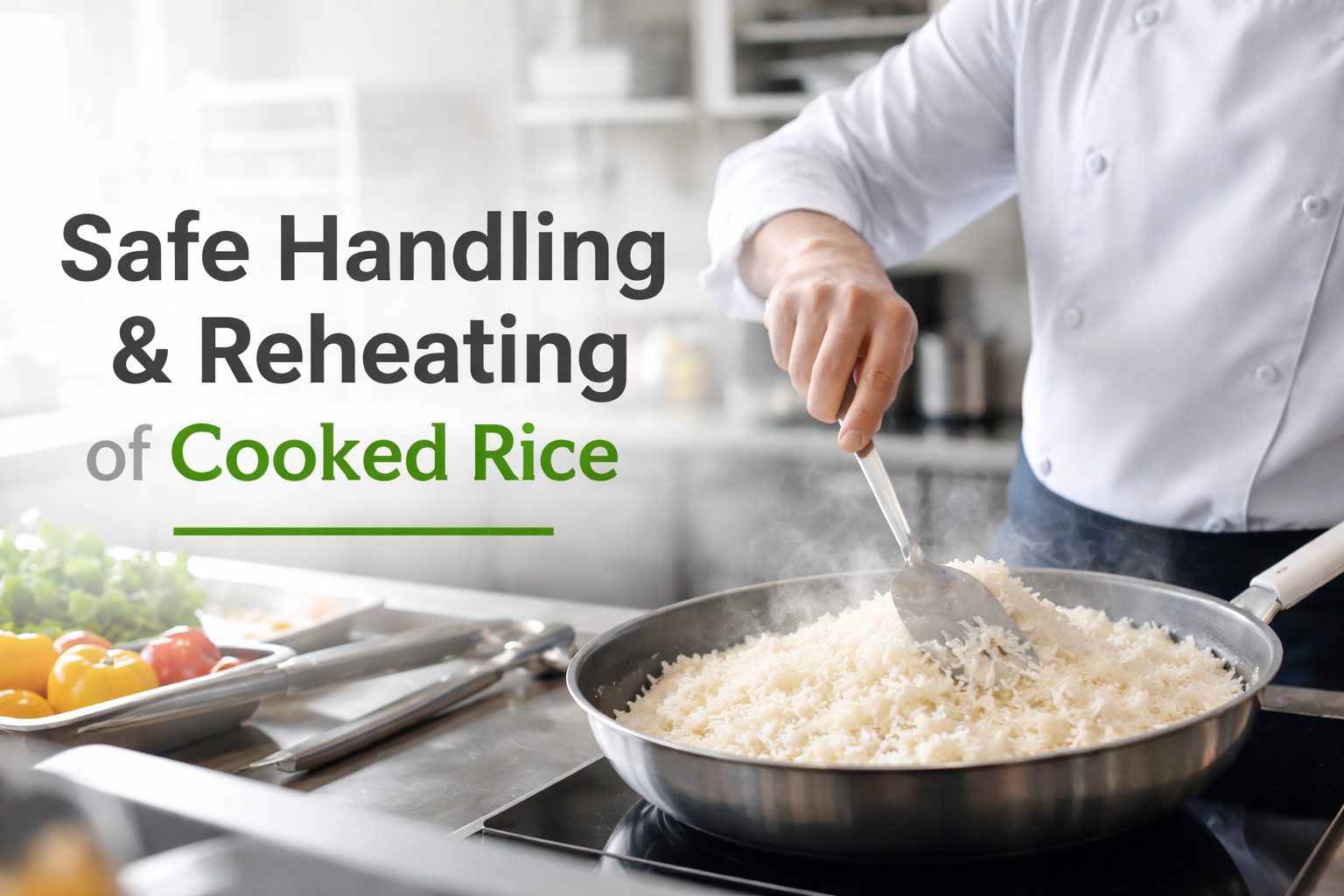
If you handle food in any setting, rice is something you’ll come across. It’s used in cafés, restaurants, takeaways, food trucks and production kitchens. It’s simple to cook and easy to portion. But reheating cooked rice can carry serious food safety risks if it’s not handled correctly. Rice often catches people out because it looks…
-
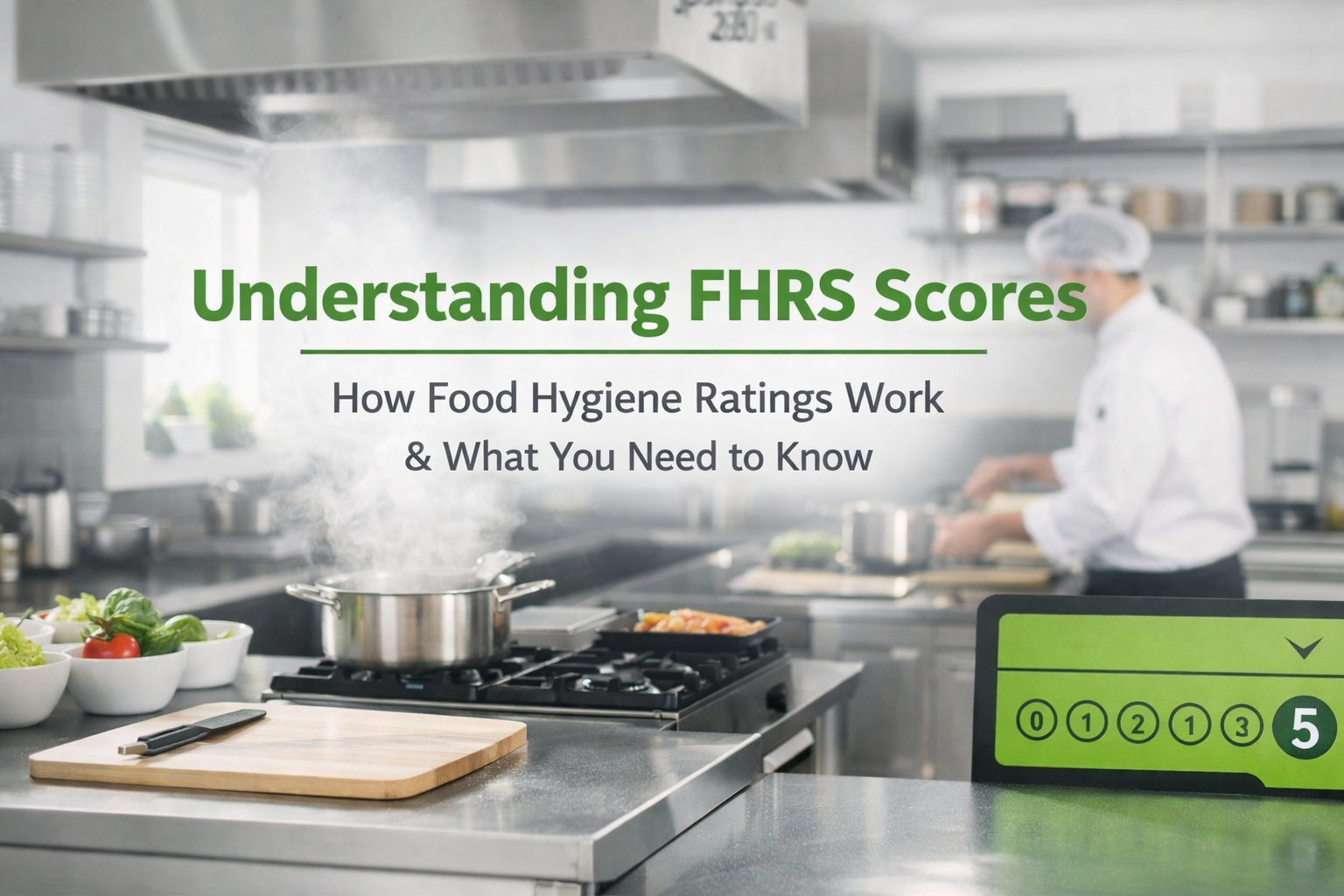
Running a food business in the UK means living with your food hygiene rating. Customers see it. Inspectors care about it. And it can feel confusing if you don’t know how the score is worked out. This guide breaks down how FHRS scores work, what inspectors look for and the common questions small food businesses…
-
If you run a food business, your premises matter more than you might think. Inspectors don’t just look at your food. They look at where you prepare it, store it and serve it. Getting your food business premises requirements right can save stress, time and money. It also helps protect your food hygiene rating. This…
-
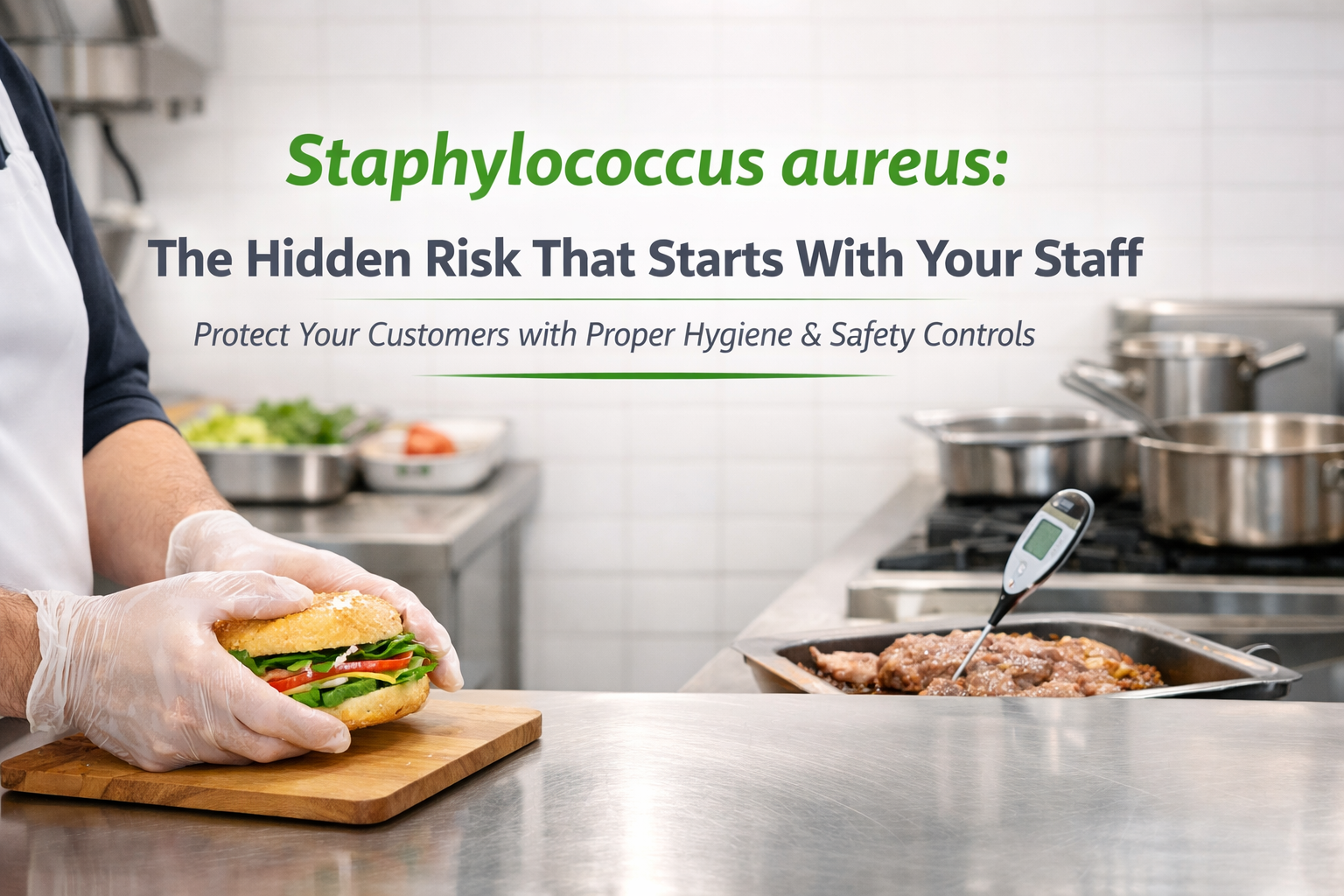
Running a food business means you’re always juggling time, people and pressure. Most owners focus on cooking, cleaning and keeping customers happy. What often gets missed is the risk that comes from something very ordinary. People. One of the most common causes of food poisoning in UK catering starts with staff hygiene. It’s called Staphylococcus…
-
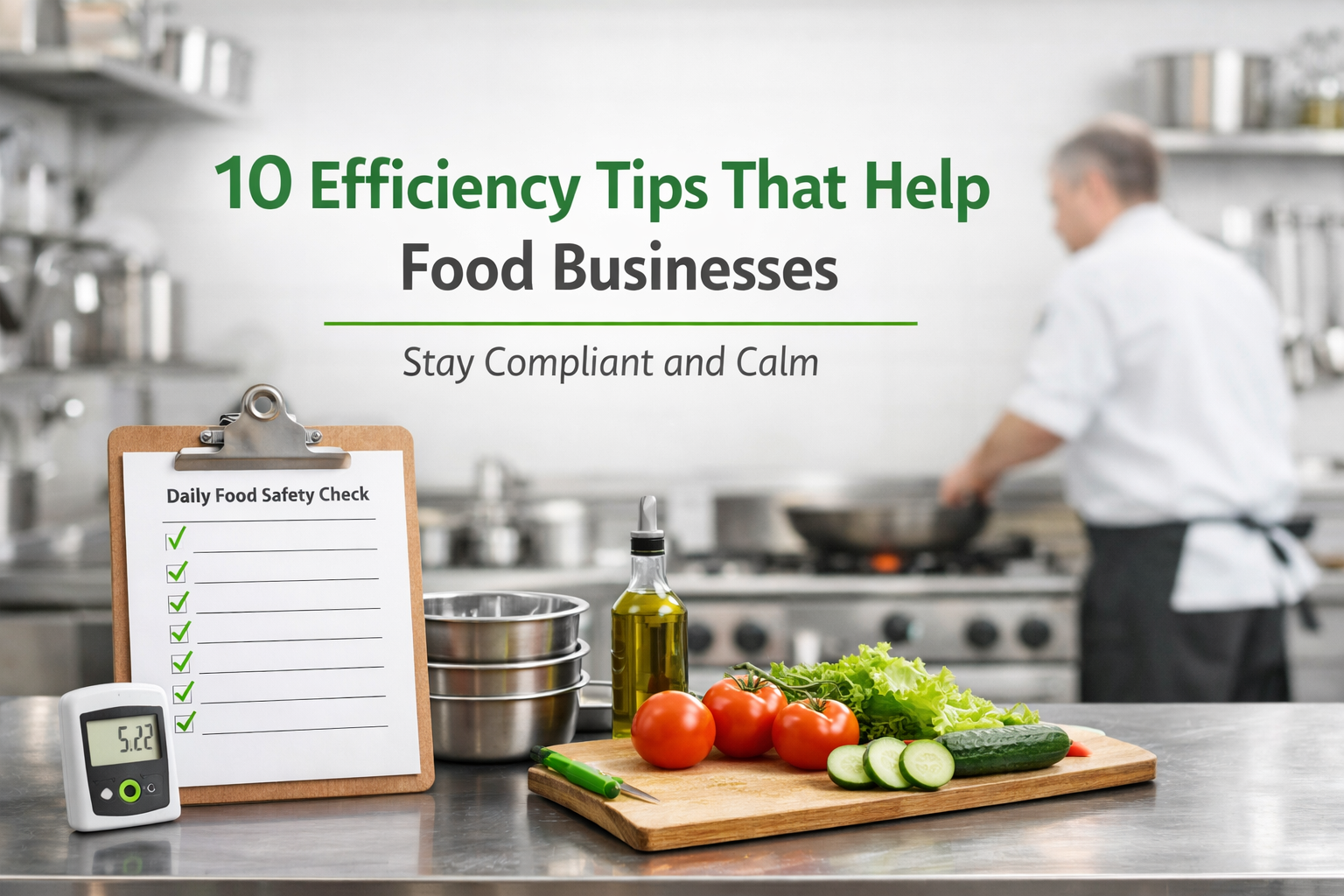
Running a food business can feel overwhelming. There’s food safety to manage, staff to support, customers to serve and paperwork that never seems to end. When things get busy, it’s easy to feel stretched and stressed. The good news is that efficiency isn’t about working harder or cutting corners. It’s about setting things up so…
-
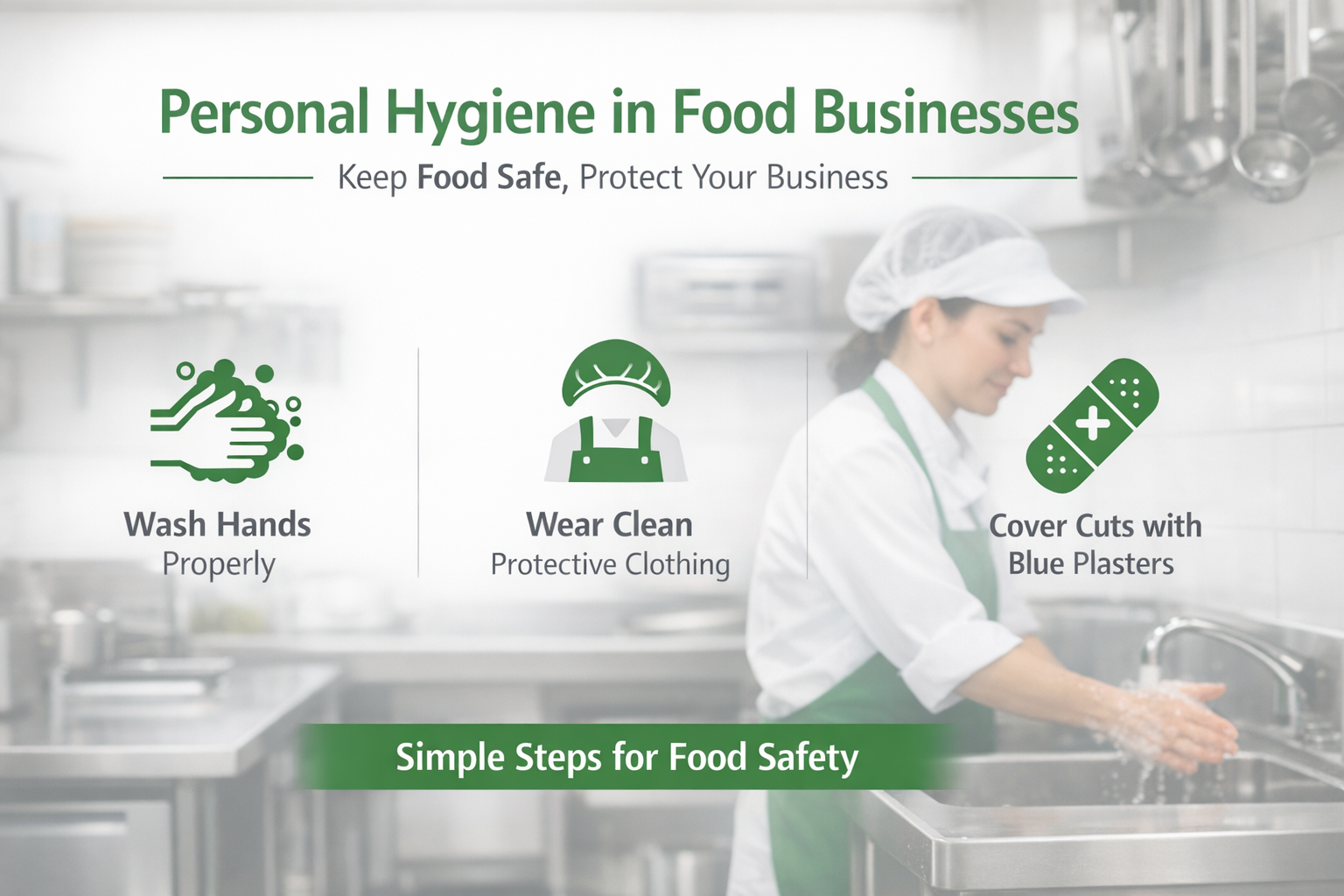
Personal hygiene is one of the most important food safety controls in any UK food business. It’s also one of the easiest to get wrong when things are busy. This short toolbox-style guide is designed for food handlers, supervisors, managers and owners who want clear reminders they can use every day. Poor personal hygiene is…
-
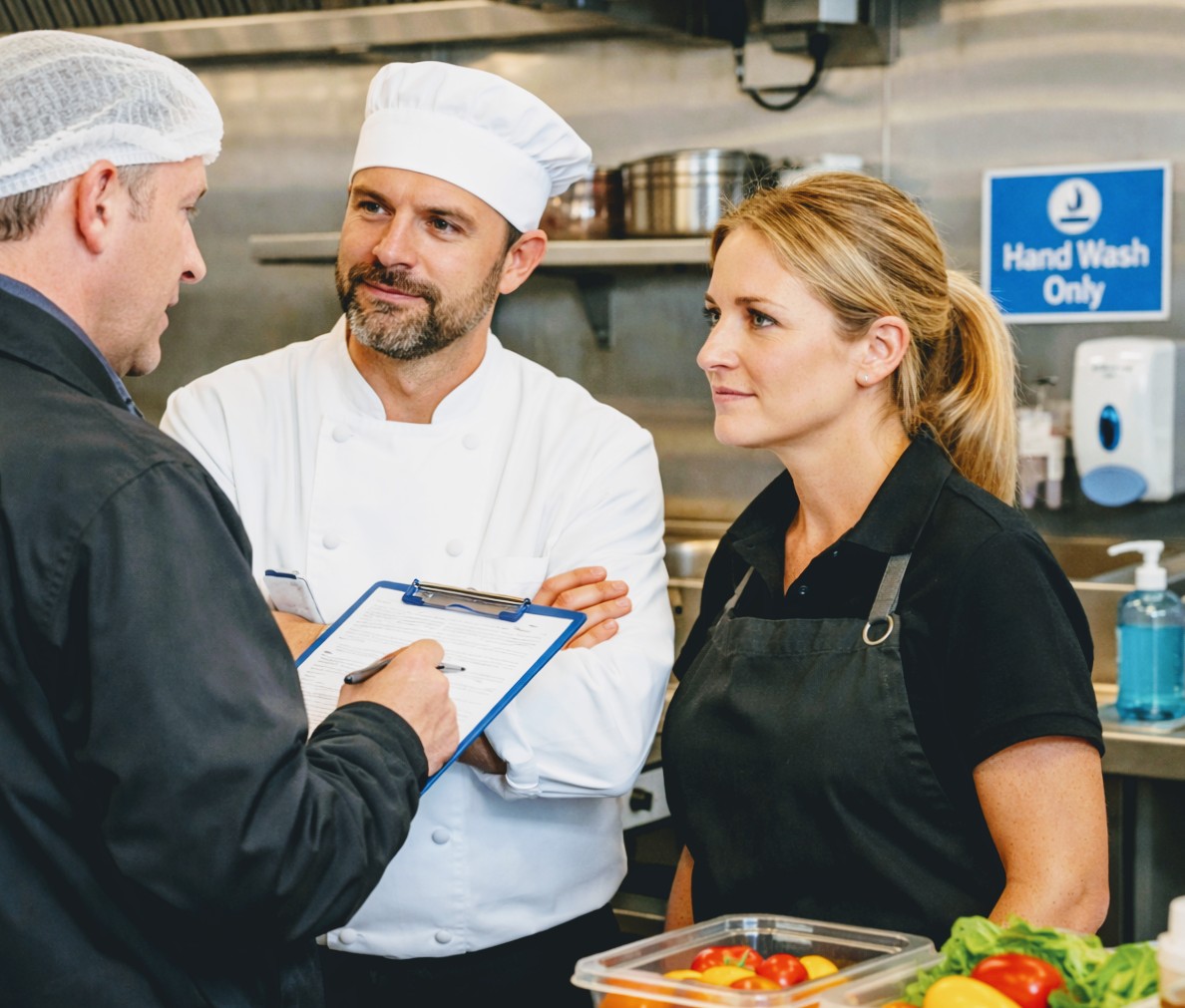
Keeping pests out of your food business starts with spotting the signs early. It’s not about being an expert. It’s about knowing what looks wrong and speaking up straight away. In cafés, restaurants, takeaways, food trucks and small producers, pest activity can appear quietly. A single dropping. A strange mark on a wall. One insect…
-
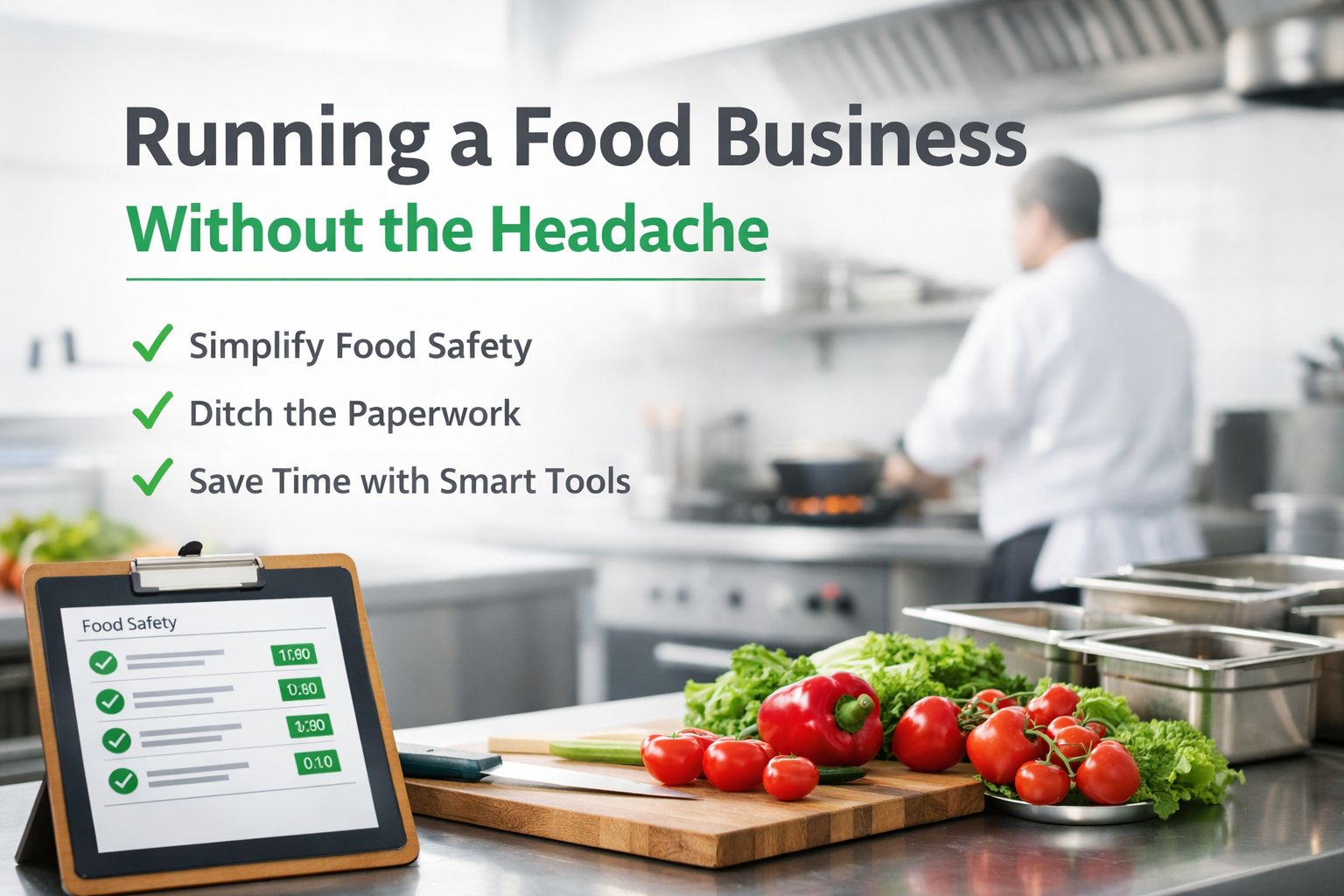
Simple Food Safety Habits That Actually Work Running a food business is rewarding, but it’s rarely calm. You’re managing customers, staff, stock, suppliers and costs, often all in the same day. Food safety sits underneath all of that. When it’s organised, you barely notice it. When it’s not, it becomes another thing on the worry…
