Category: Food Safety Fundamentals
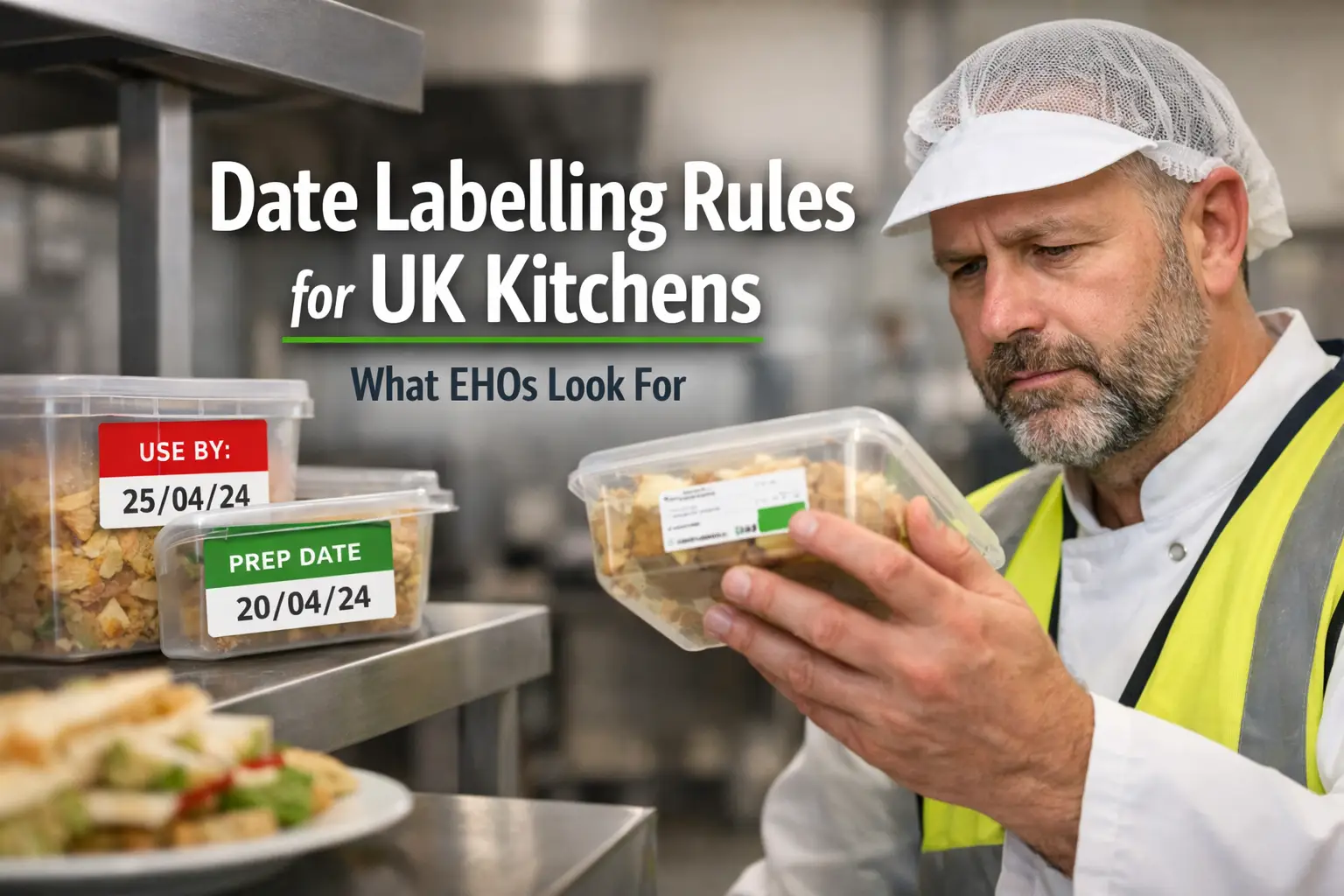
Date Labelling Rules for UK Kitchens: What EHOs Look For
Explore how internal date labelling helps busy kitchens stay compliant, clarify use-by versus best-before, and build a simple, reliable date-control system for service.
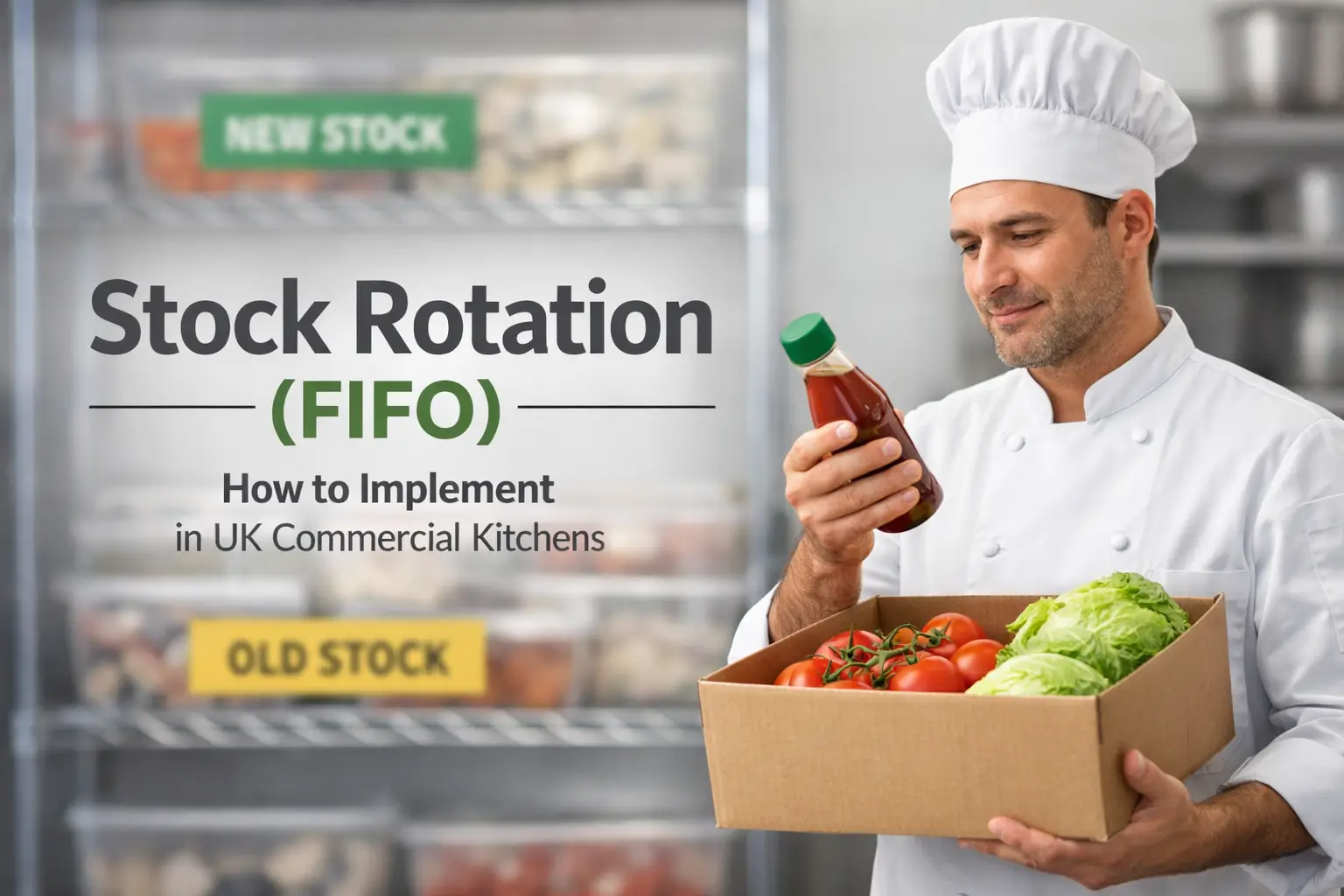
Stock Rotation (FIFO): How to Implement in UK Commercial Kitchens
Understand FIFO stock rotation in kitchens with date coding and chilled storage controls to cut waste, reduce stock loss and prep for EHO inspections with systems.
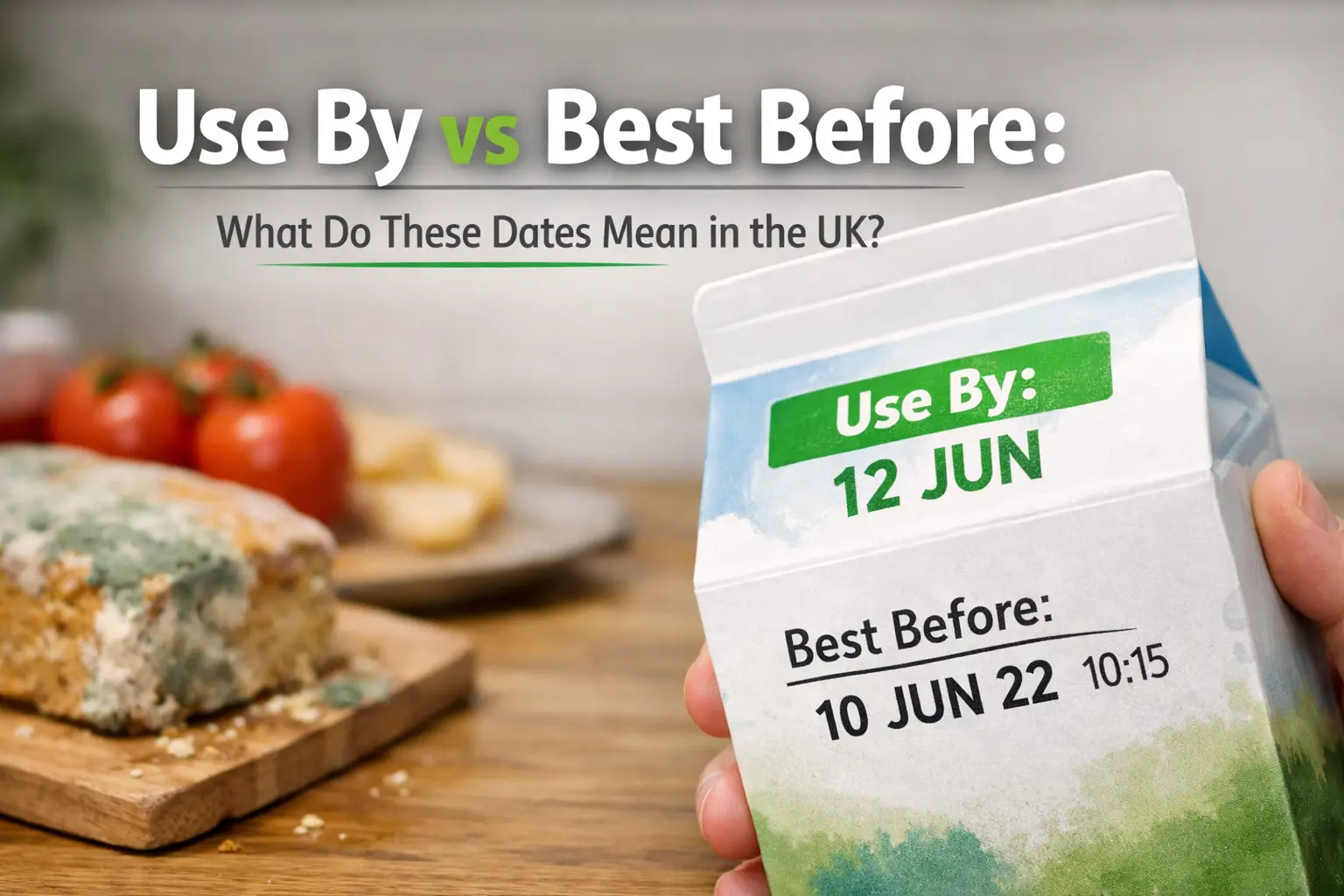
Use By vs Best Before: What Do These Dates Mean in the UK
Understand the legal difference between use-by and best-before in the United Kingdom, and how catering teams can manage date marked foods safely, cut waste, and stay inspection-ready, including checks.
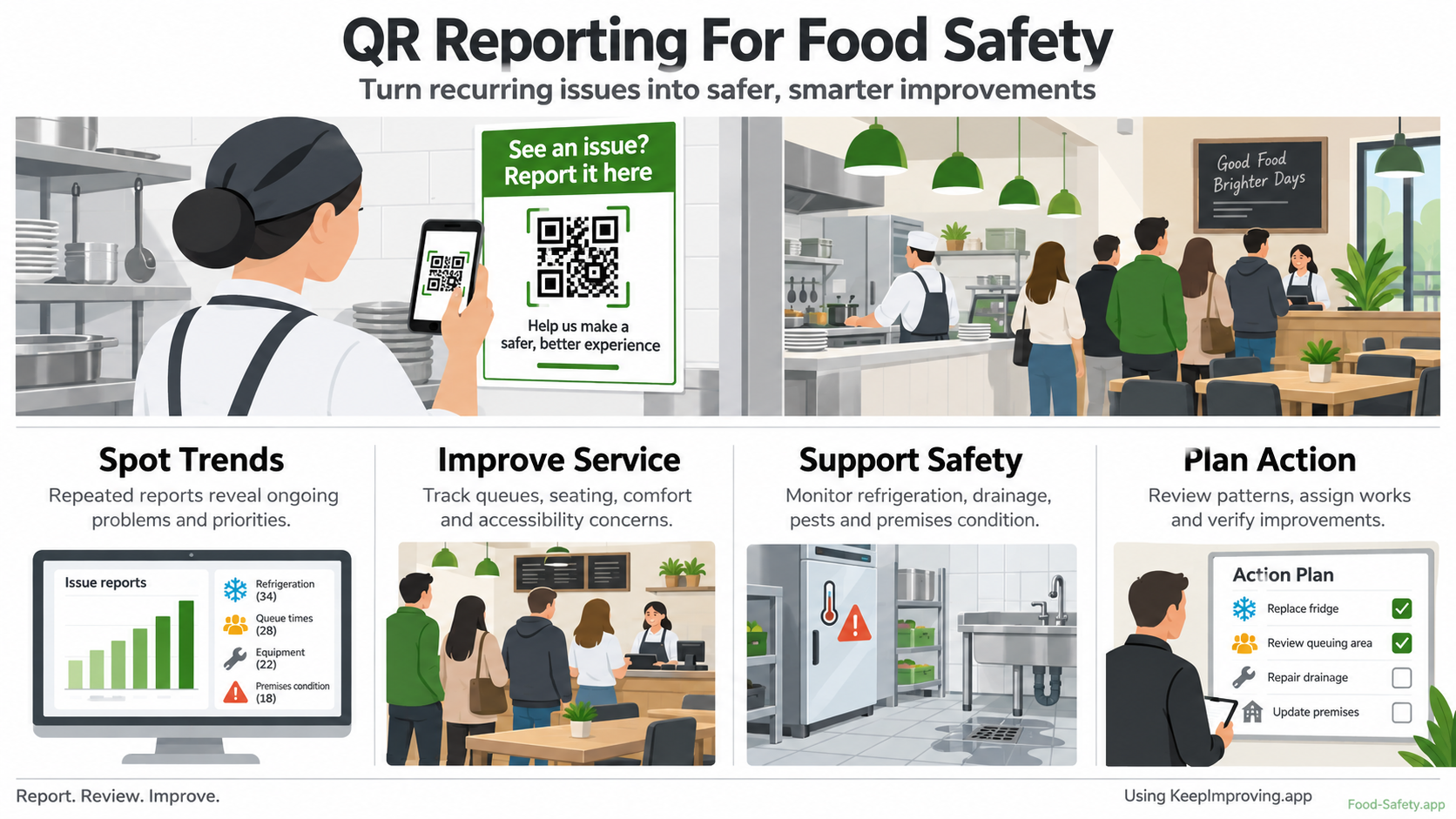
QR Code Reporting for Food Businesses: Spot Problems Before They Get Worse
A customer repeatedly notices that the same dining area is uncomfortable because of poor ventilation. A member of staff reports that a refrigeration unit is becoming increasingly unreliable. Several people raise concerns about damaged flooring, poor waste storage or a recurring cleaning problem. These aren’t always issues that can be fixed immediately. They may need…

Food Hygiene Inspection: First Checks in Small Kitchens
Small kitchen teams can spot weak controls before inspection by prioritising visible hygiene, key records, and quick wins that build confidence and compliance today.

Food Safety Opening Checklist UK: How to Create One
Discover a simple, reliable opening check for busy kitchens that safeguards food safety, records daily controls, and supports inspection readiness. It records results.

Clean as You Go: Why It Still Fails in Busy UK Kitchens
Why clean as you go fails in busy kitchens and how to build a practical routine that supports hygiene compliance, inspection confidence and spot weak points early.
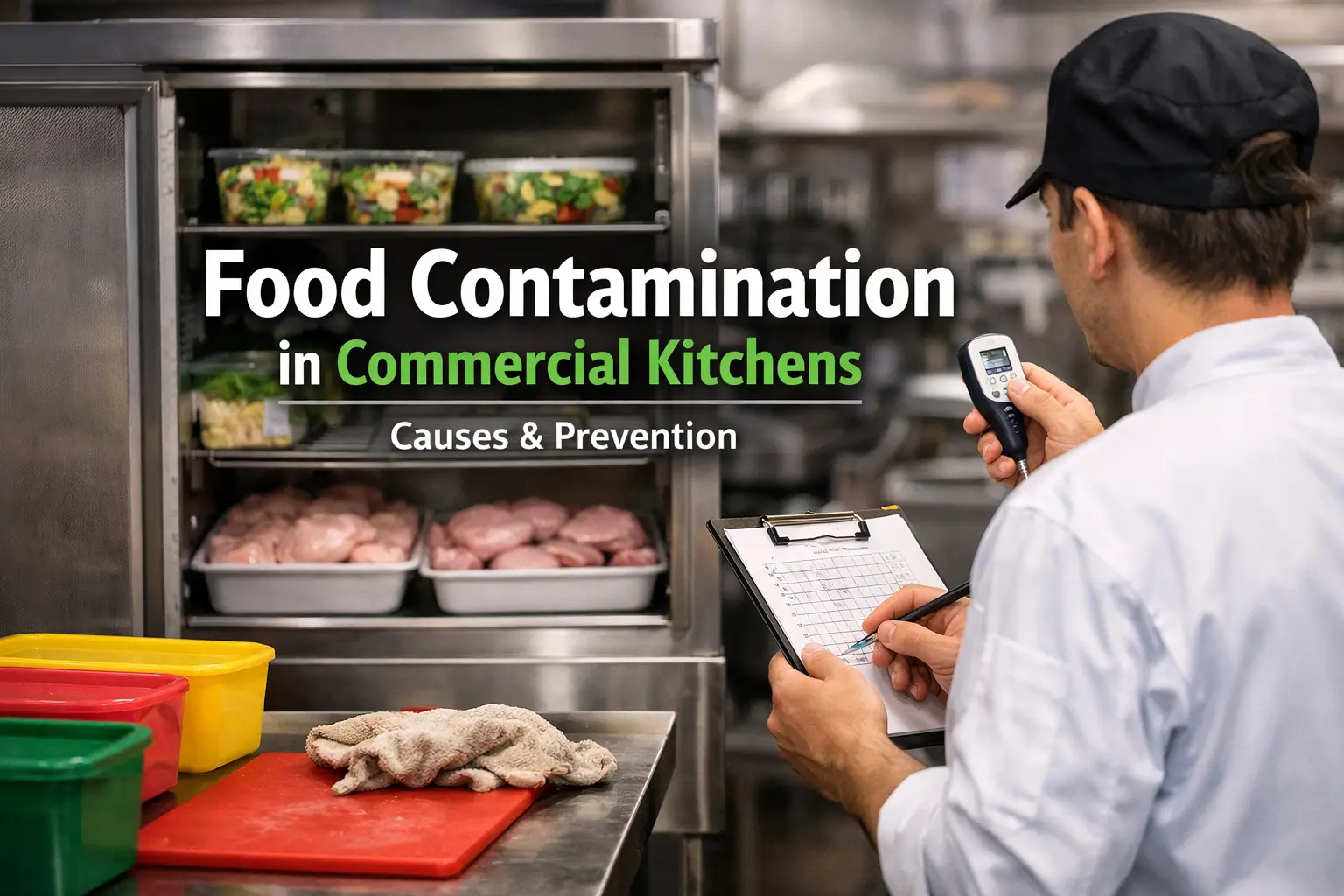
Food Contamination in Commercial Kitchens: Causes and Prevention
Explore biological, chemical and allergen contamination, common kitchen sources, simple controls, daily records and clear responsibilities cut risk and boost compliance.
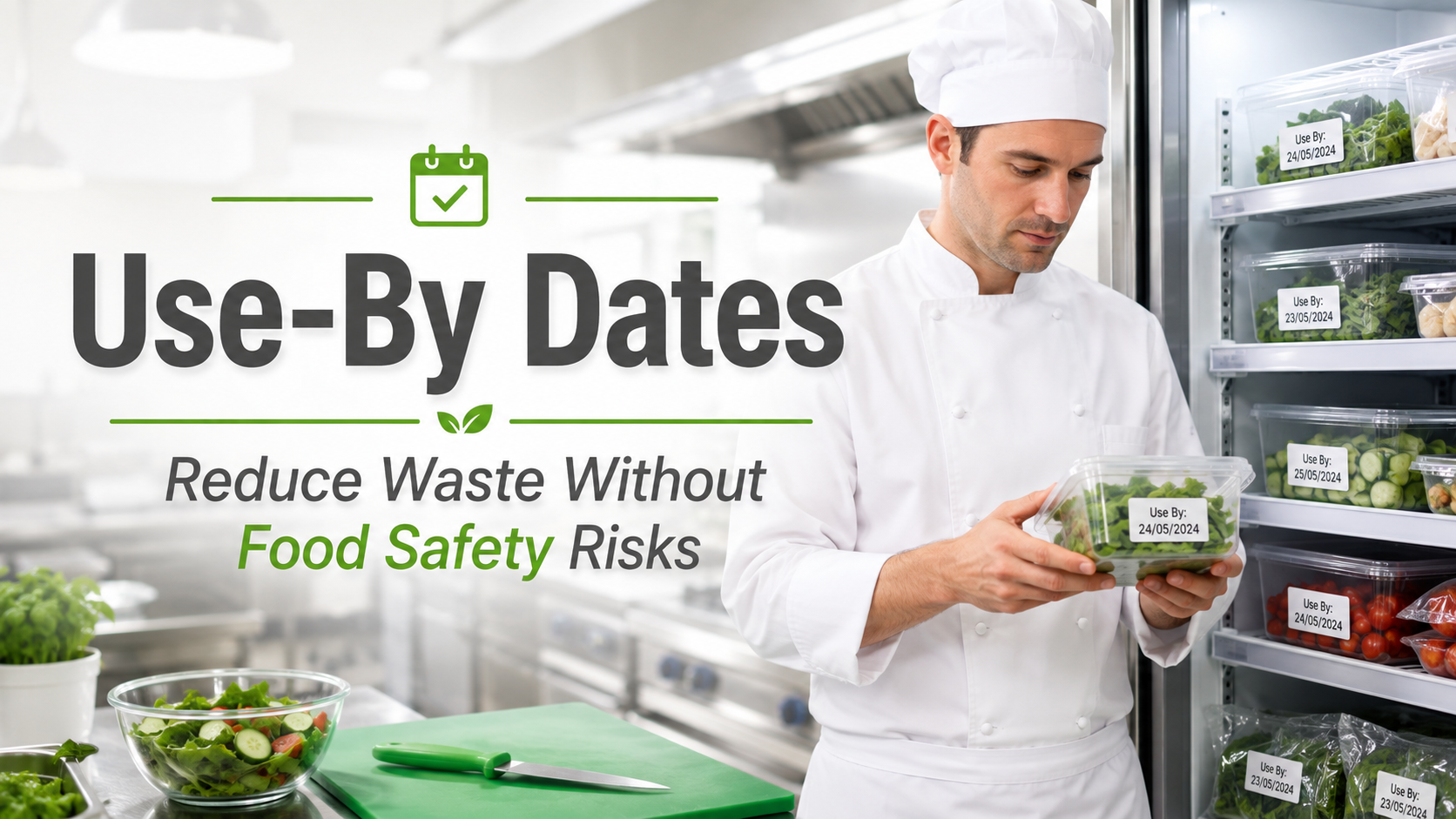
64% Have Eaten Food Past Its Use-By Date to Save Money: Why Use-By Dates Matter
Good food safety management helps catering businesses understand use-by dates, reduce waste and avoid taking unnecessary food safety risks. Table of contents What does a use-by date mean? What’s the difference between use-by and best-before? What did the latest FSA research find? What should food businesses be doing? How can businesses reduce waste safely? Can…