Category: Food Safety Fundamentals
Building a Strong Food Safety Culture in Your Kitchen
Running a busy kitchen is demanding, but strong food safety management makes day-to-day compliance simpler, safer, and more consistent. This guide explains how to build practical food safety habits using clear leadership, simple systems, and digital tools that work for UK catering businesses. What food safety culture really means Why food safety management starts with…
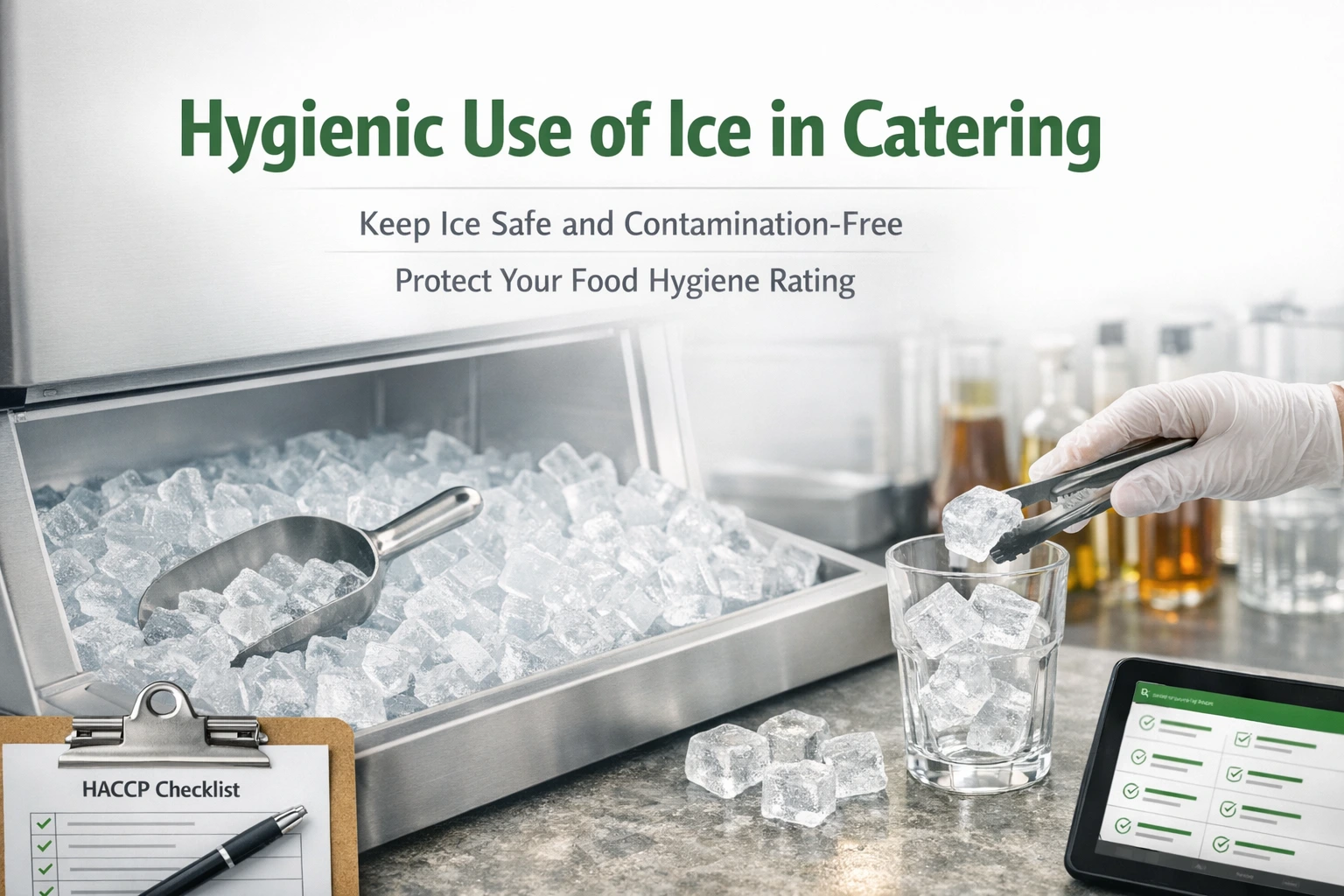
Hygienic Use of Ice in Catering: Food Safety Management
Running a busy kitchen or bar? This practical guide explains how to handle ice safely, meet food safety management duties, and keep digital food safety records simple and inspection-ready with Food-Safety.app. Why ice matters for food safety Ice is easy to overlook, especially in pubs, cafés and restaurants where it’s used constantly. But ice is…
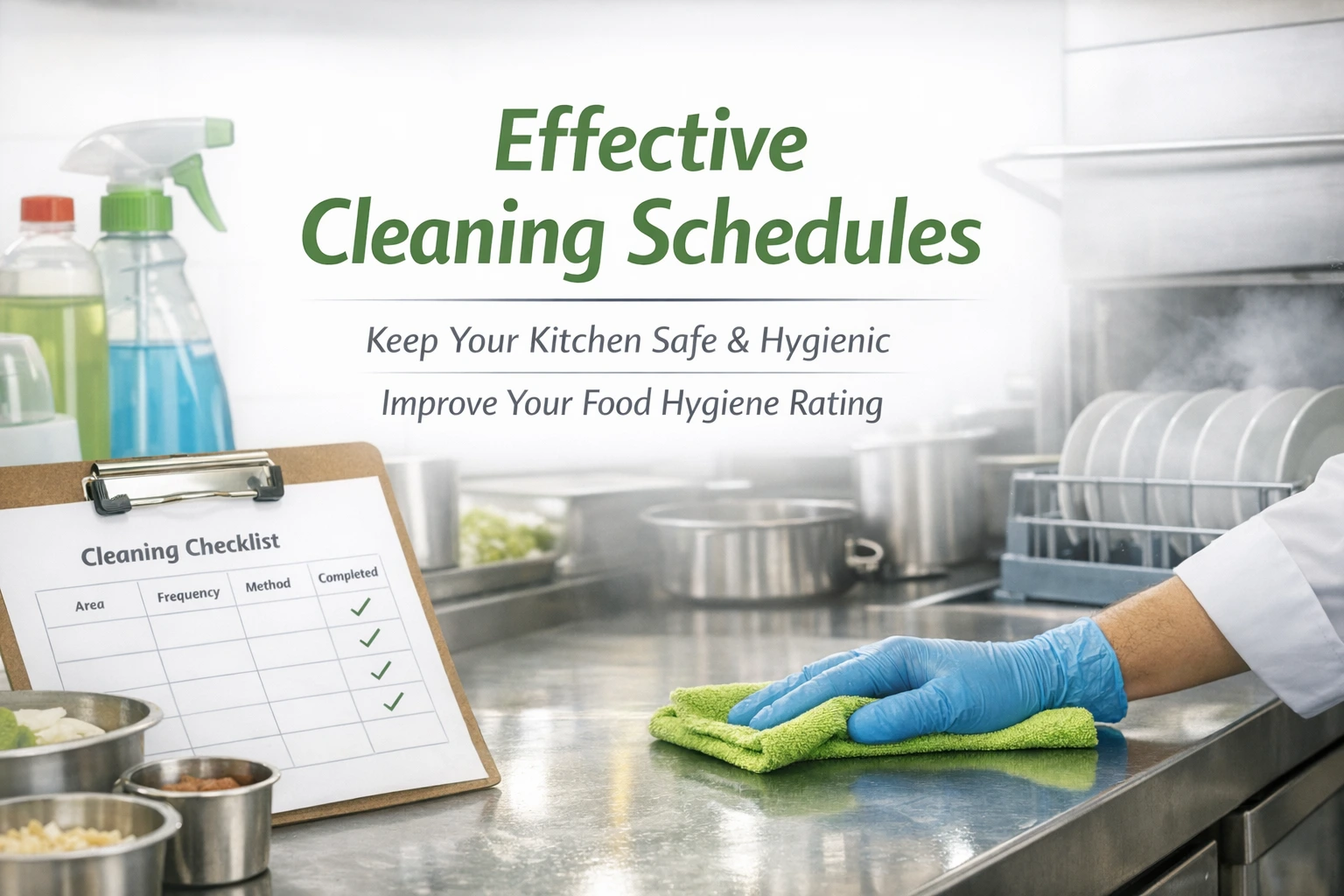
Cleaning Schedules for Better Food Safety Management
If you run a catering business, keeping on top of cleaning can feel relentless. This guide explains how simple cleaning schedules support food safety management, help you stay compliant, and work smoothly with Food-Safety.app as a food safety management system for UK catering businesses. Why cleaning schedules matter Cleaning isn’t just about looking tidy. In…
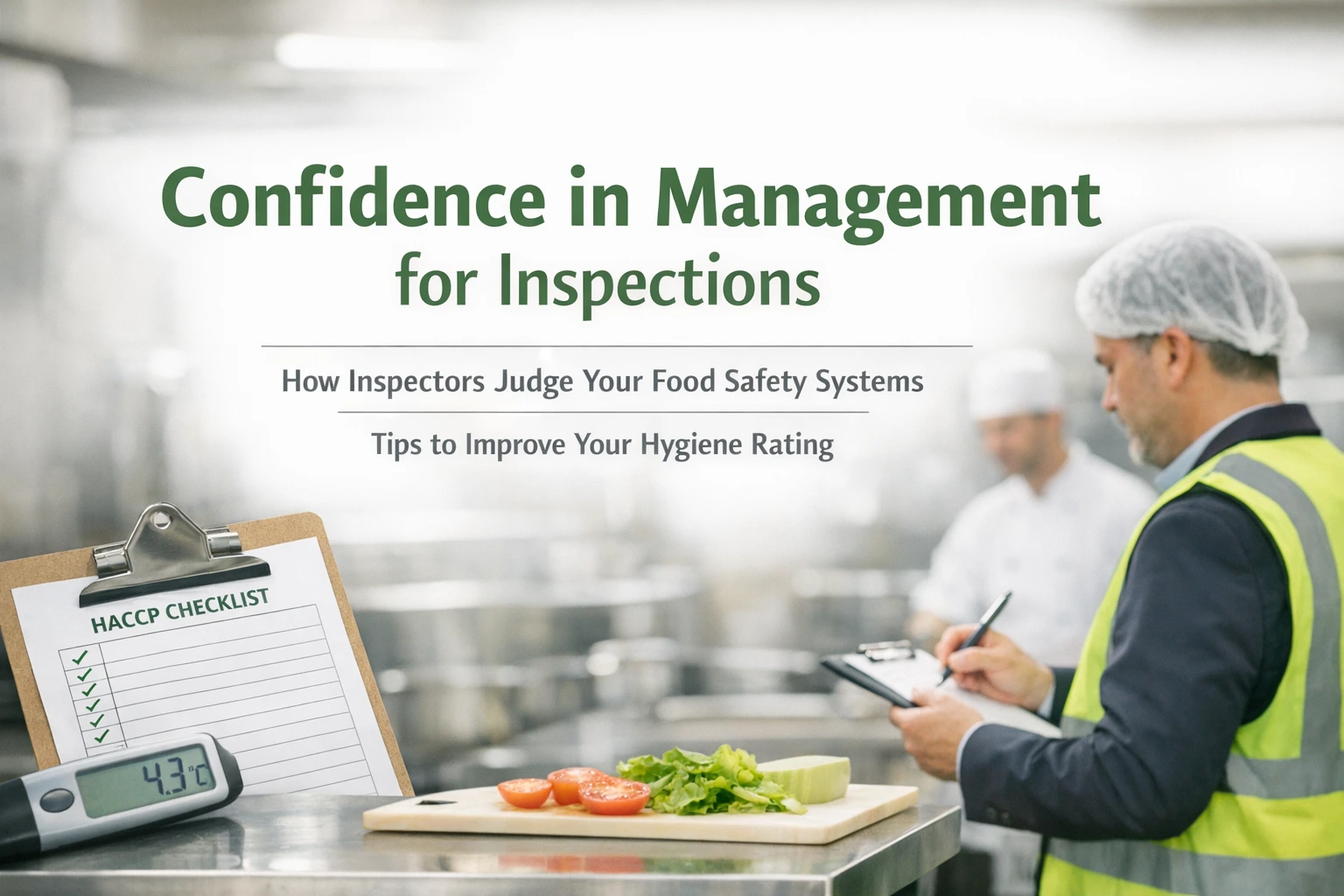
What Confidence in Management Really Means for Inspections
If you’ve ever worried about how inspectors judge your business, you’re in the right place. This guide explains what “confidence in management” really means, how it affects inspections, and how a food safety app can support consistent compliance. Food-Safety.app is a food safety management system for UK catering businesses. What confidence in management actually means…
Allergen Management Made Practical for UK Food Businesses
If you’re running a catering or hospitality business and want clearer allergen management without extra paperwork, you’re in the right place. This guide explains how digital food safety records support food safety management and make allergen control easier to manage day to day. What allergen management really means Allergen management is about knowing exactly what’s…
Food Safety Management in UK Healthcare Catering
If you run or manage catering in a healthcare setting, strong food safety management matters more than ever. This guide explains what’s expected in the UK and how Food-Safety.app, a food safety management system for UK catering businesses, can help you stay compliant without adding stress. Why healthcare food safety is different Healthcare catering isn’t…
Food Safety Management in Catering
Food safety management doesn’t have to feel like a mountain of paperwork you can’t climb. If you run a kitchen in the UK, you’re in the right place. This guide explains what food safety management really means, who’s responsible, and how digital tools can help busy catering businesses stay compliant and inspection-ready. Table of Contents…
Starting a Food Business: Food Safety Made Simple
If you’re starting a food business in the UK, you’re not alone in feeling unsure about food safety rules. This practical guide explains what’s required, how to stay compliant, and how a food safety app can help busy caterers manage food safety management with confidence. What counts as a food business? If you prepare, cook,…
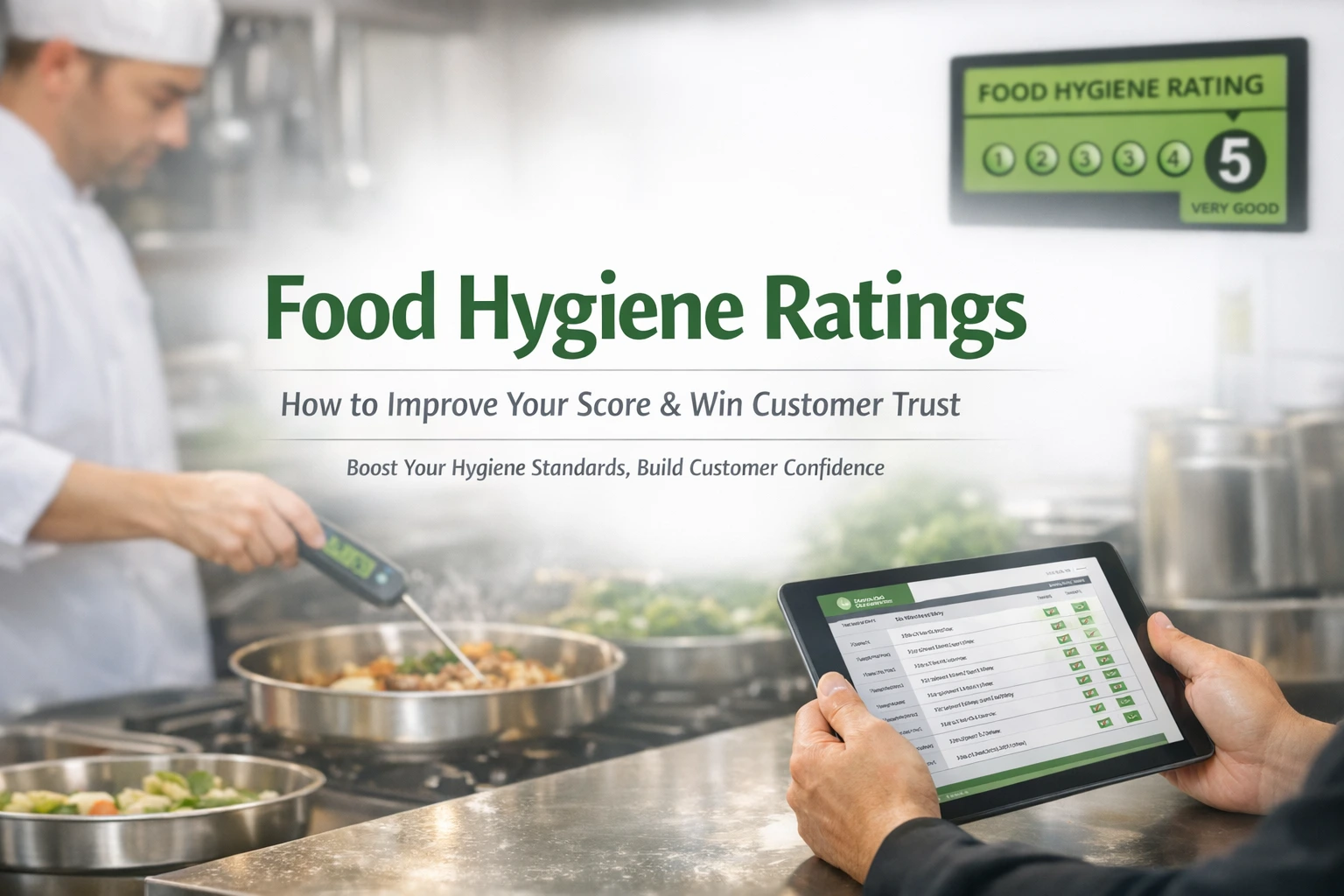
Food Hygiene Ratings: How to Improve Your Score and Win Customer Trust
Food safety management, digital food safety records, HACCP records and allergen management all influence your food hygiene rating and how customers choose where to eat or book. If you run a busy kitchen, café or catering business in the UK, you already know that a good food hygiene rating builds customer trust and protects your…