Category: Compliance, Law & Inspections
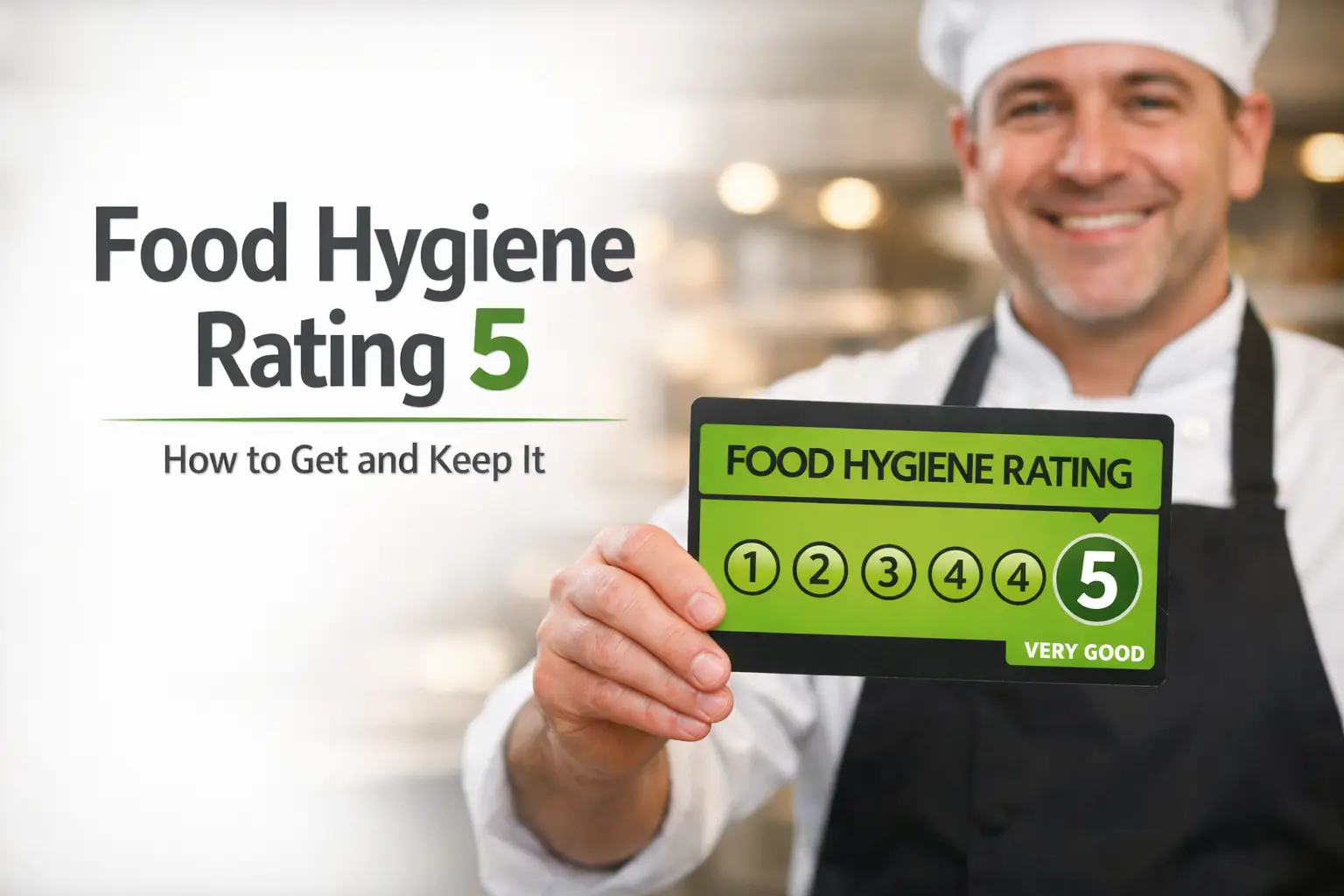
Food Hygiene Rating 5: What It Means, How to Get and Keep It
Understanding what a food hygiene rating of 5 really means, what it covers and what it does not prove, plus temperature monitoring and records to stay compliant.
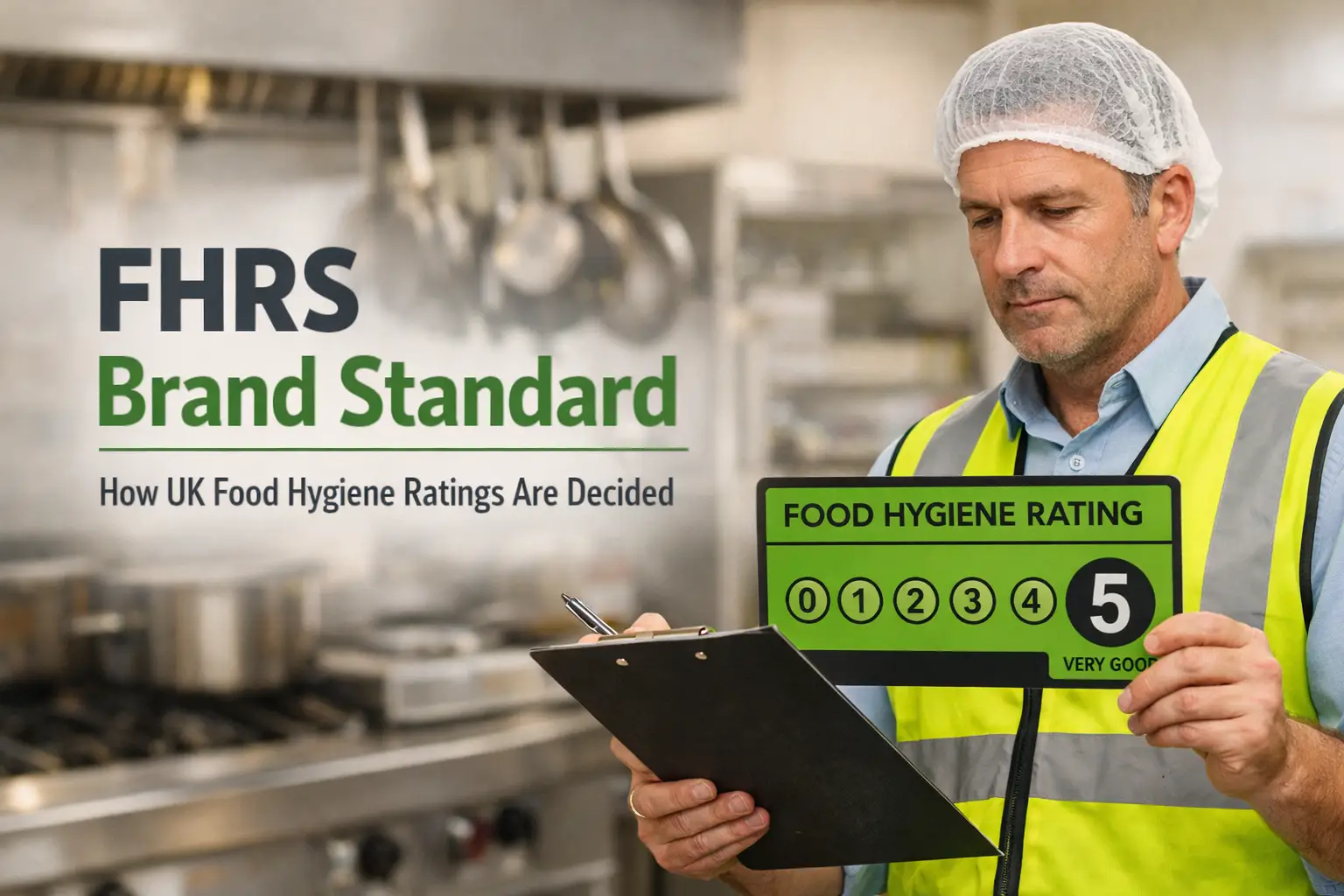
FHRS Brand Standard: How UK Food Hygiene Ratings Are Decided
Understand the FSA FHRS Brand Standard, how inspectors score hygiene handling, structure and cleaning, and management confidence, and what to do if you dispute a rating.
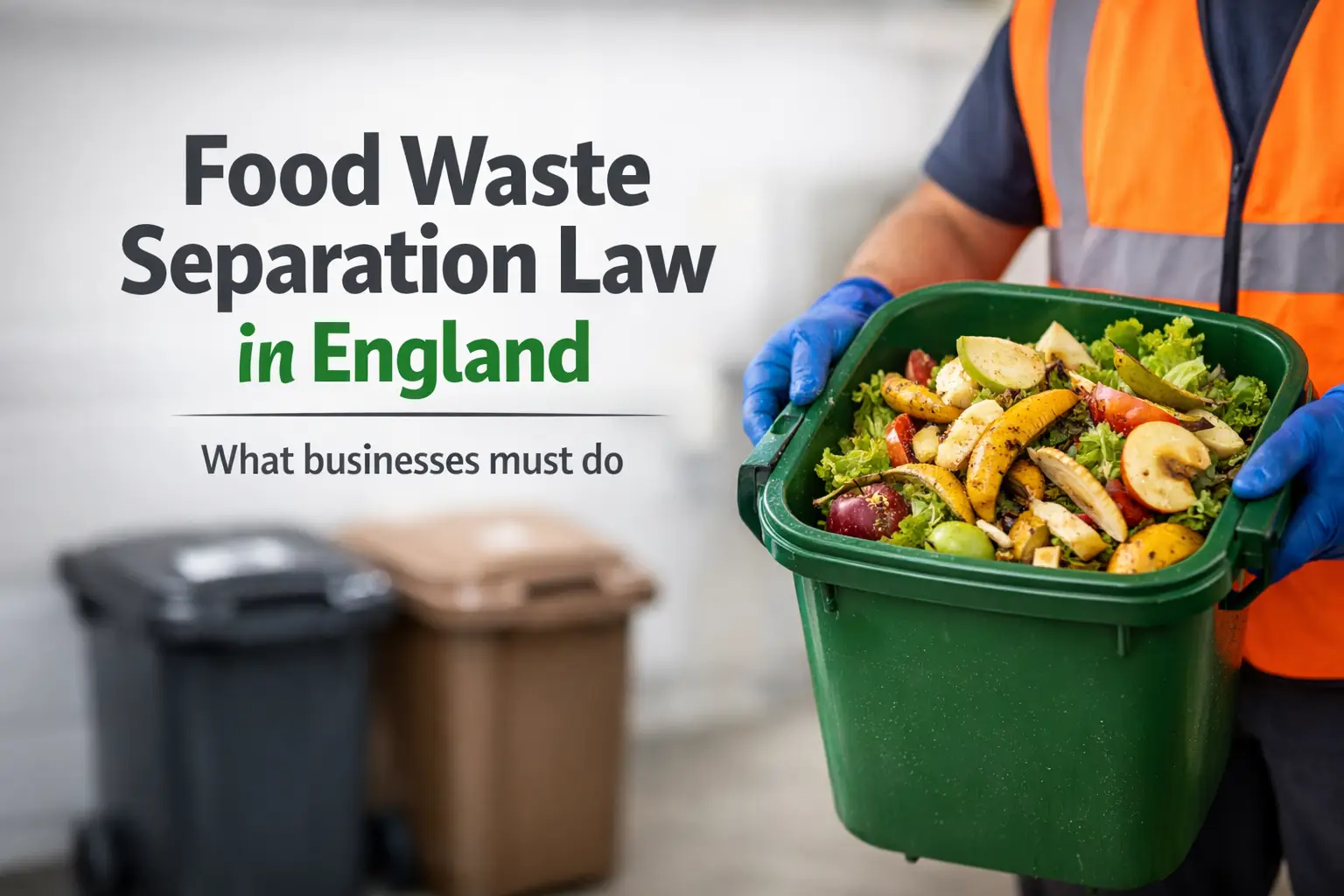
Food Waste Separation Law in England: What Businesses Must Do
Understand England’s food waste separation law for catering, what counts as food waste, how to store and label bins, and keep clear records for compliant operations.
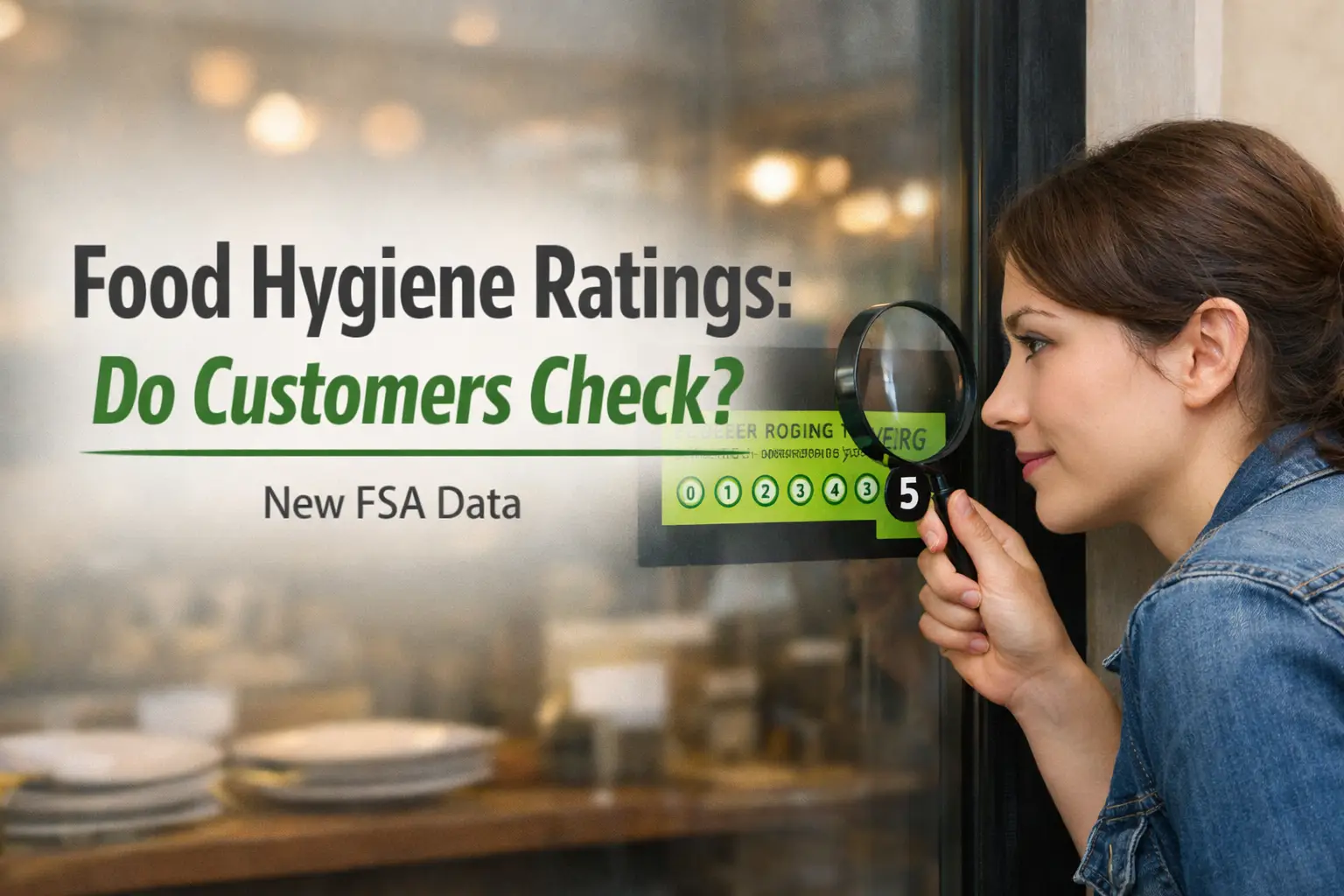
Food Hygiene Ratings: Do Customers Check? New FSA Data
New FSA data shows hygiene ratings influence customer choice; practical steps help food businesses protect reputation, stay inspection ready and build trust.
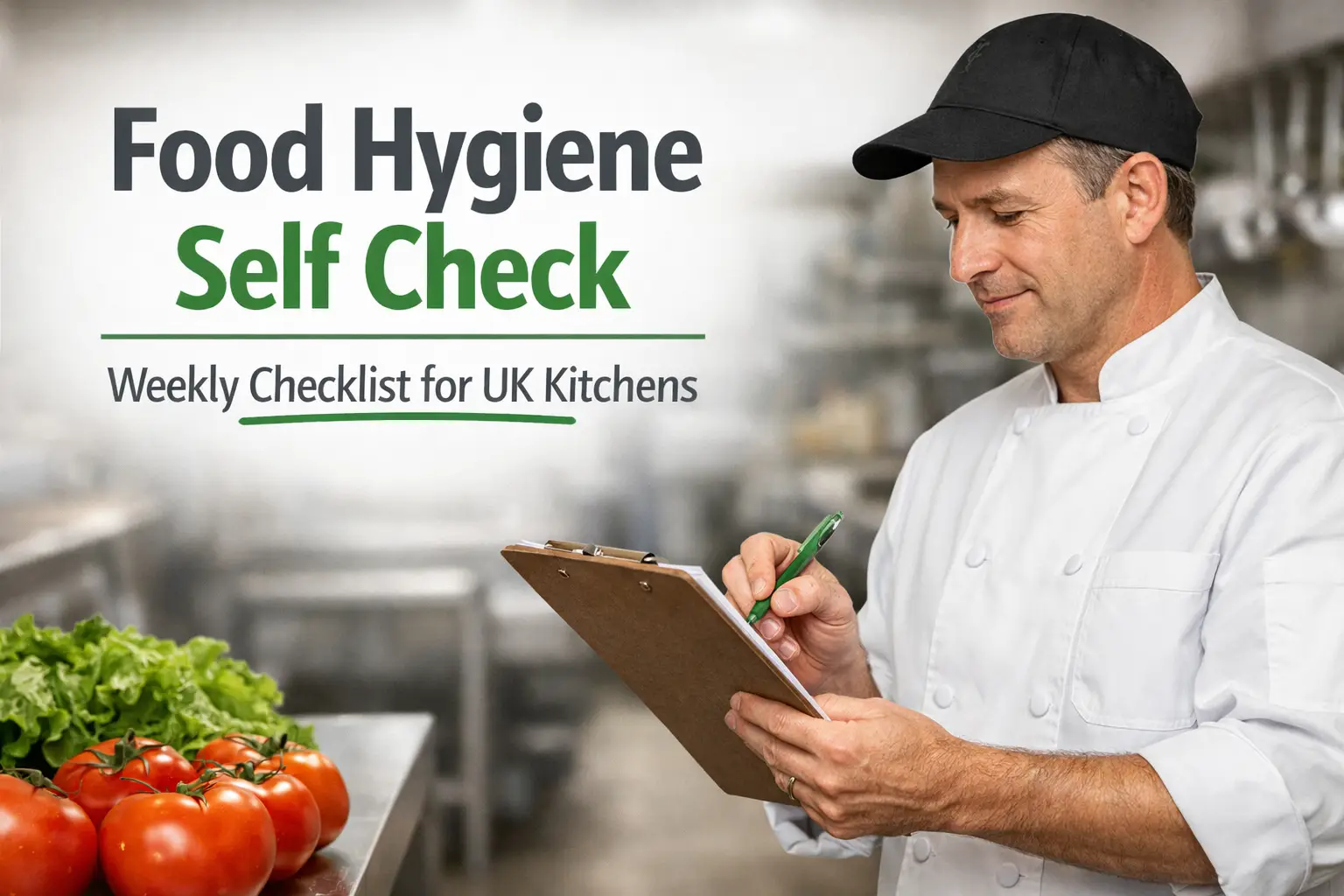
Food Hygiene Self Check: Weekly Checklist for UK Kitchens
Weekly food hygiene self check helps small kitchens spot drift, gather evidence for inspections, and link temperature records, cleaning and allergen controls to duties.
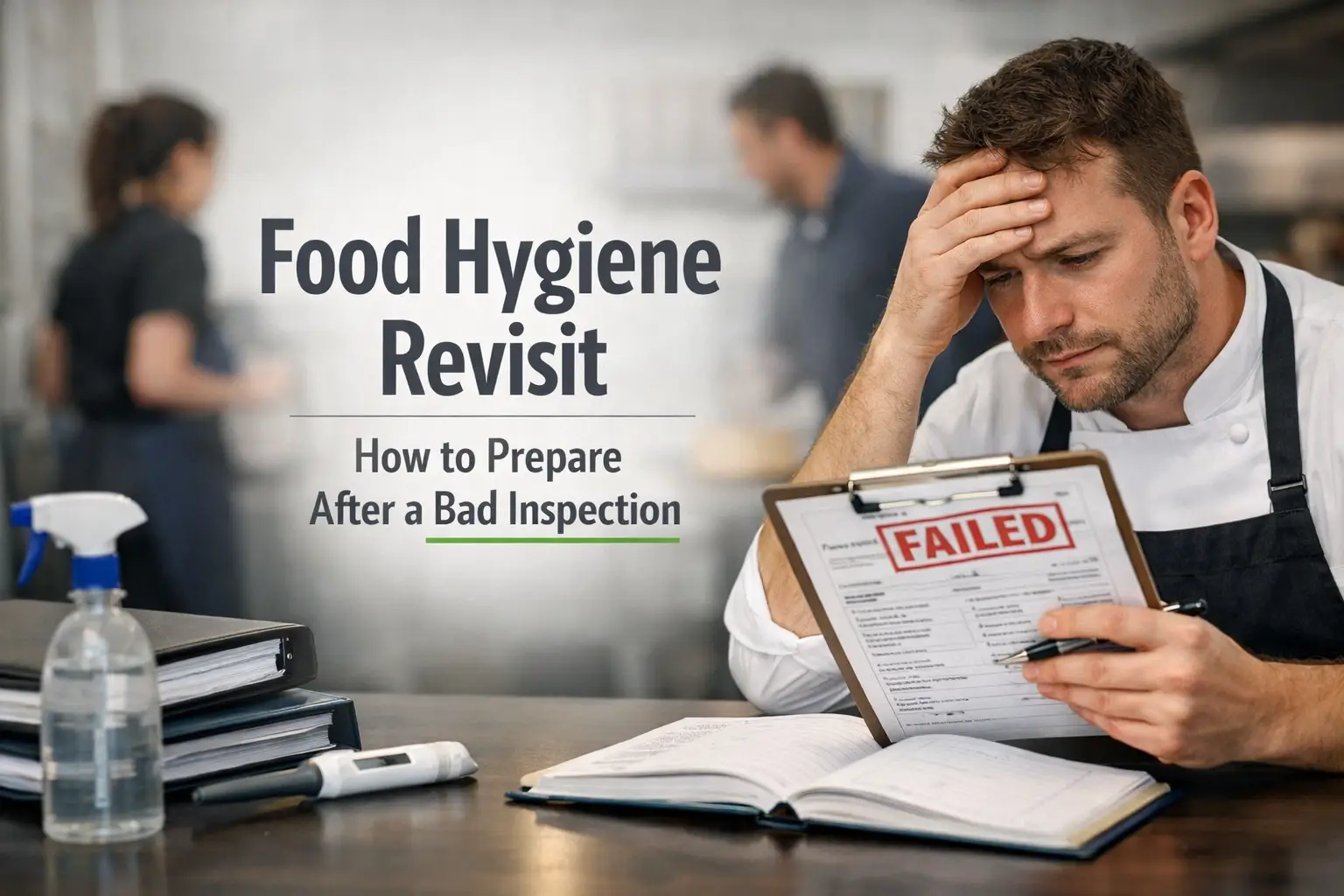
Food Hygiene Revisit: How to Prepare After a Bad Inspection
Practical guidance for food business owners, chefs and supervisors to interpret inspection reports, prioritise fixes, build evidence, train teams and stay audit ready.
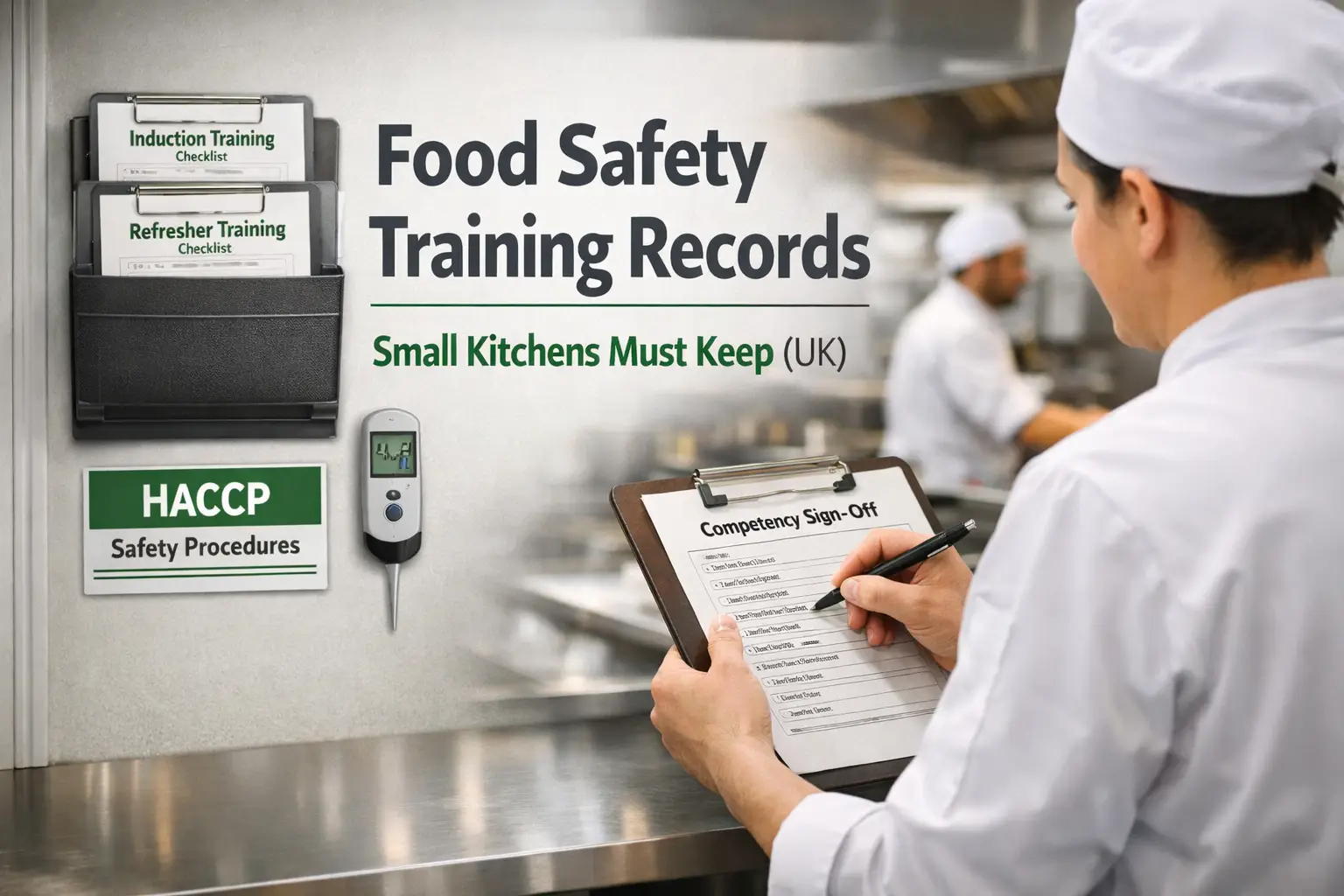
Food Safety Training Records Small Kitchens Must Keep (UK)
Know which training records small kitchens must keep, why they matter for inspections, and how Food-Safety.app stores offline evidence with exportable formats easily.
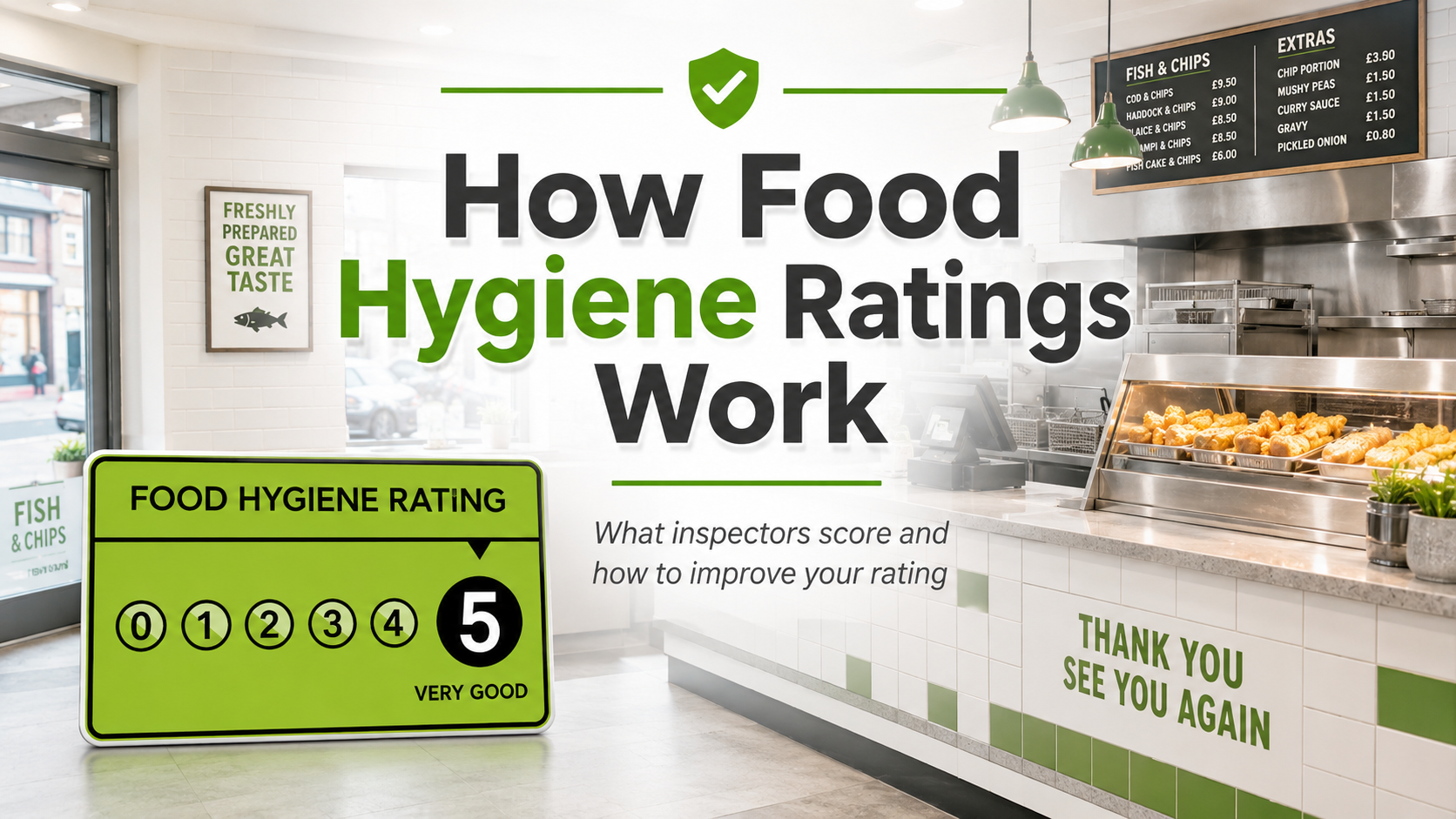
How Is a Food Hygiene Rating Calculated?
A food hygiene rating can feel difficult to understand. This guide explains the scores, what inspectors assess and how to improve. Table of contents What is a food hygiene rating? What do food safety officers score? How is the final rating worked out? Why can one score limit the rating? How can a business…
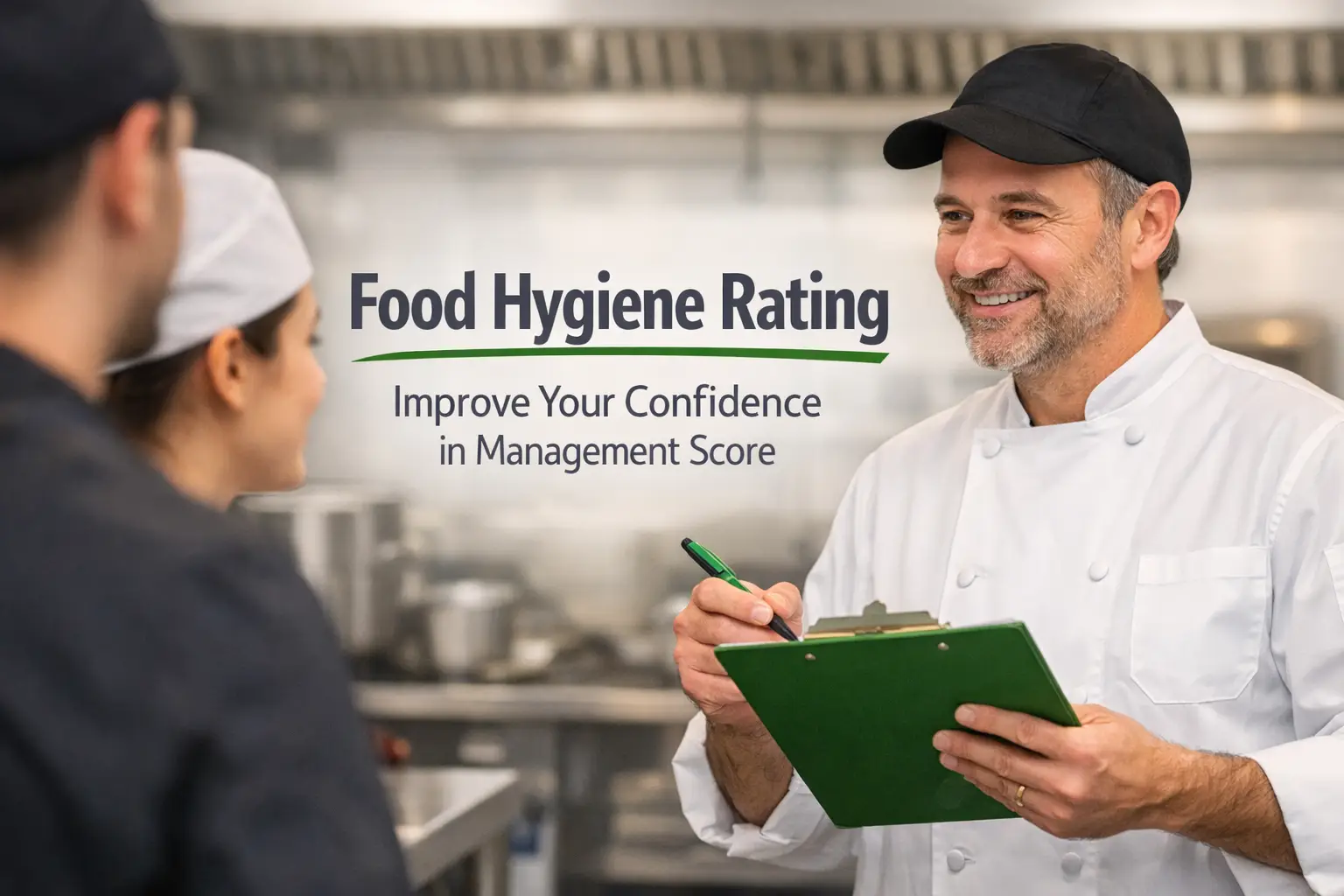
Food Hygiene Rating: Improve Your Confidence in Management Score
Management confidence hinges on routine food safety control, records and staff habits, with Food-Safety.app helping keep evidence organised and inspection-ready.