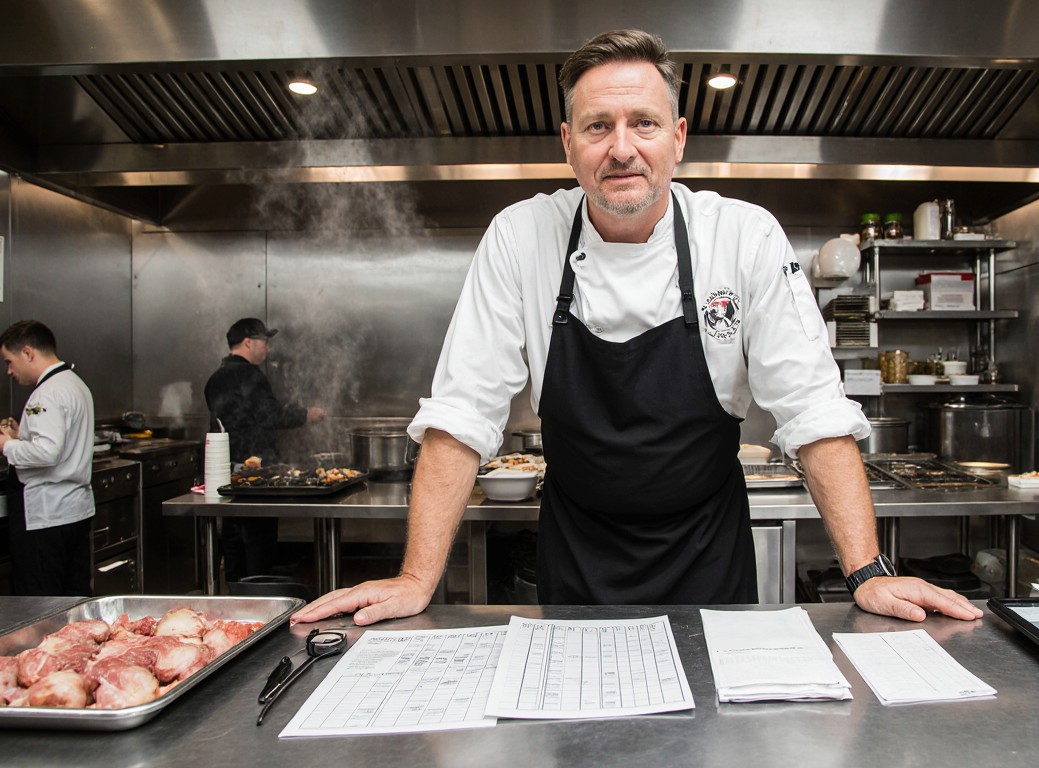
Recent headlines have once again exposed serious hygiene failings inside parts of Britain’s takeaway industry. Reports involving pest activity, poor cleaning standards, unsafe food storage, allergen failures, and inadequate food safety controls have raised uncomfortable questions about how consistently standards are being maintained across the sector. (The Sun)
But this is not simply a story about a handful of bad businesses.
It is a warning sign for the wider food industry and a reminder that food safety standards only work when they are supported by consistent systems, proper oversight, and a strong workplace culture.
Table of contents
The rapid growth of Britain’s takeaway industry
The UK takeaway sector has grown rapidly in recent years. Convenience culture, delivery apps, and changing consumer habits mean millions of people now rely on takeaway food every week. According to recent industry analysis using Companies House and Food Standards Agency data, tens of thousands of takeaway businesses have opened across the UK in just the past few years. (H2 Catering Equipment)
At the same time, the Food Standards Agency estimates there are around 2.4 million cases of foodborne illness linked to pathogens every year in the UK, resulting in thousands of hospital admissions and significant costs to society. (Food Standards Agency)
That matters because customers place enormous trust in food businesses.
When somebody orders a takeaway meal for their family on a Friday night, they are not thinking about probe calibration records, fridge temperature monitoring, allergen separation, or cleaning verification logs. They assume those controls are already happening behind the scenes.
Most of the time, they are.
The overwhelming majority of food businesses work hard to maintain safe kitchens and protect customers. However, repeated enforcement cases show that problems can develop quickly when standards begin to slip.
Why food safety failures matter
The Food Hygiene Rating Scheme, operated by the Food Standards Agency in partnership with local authorities, scores businesses from 0 to 5 based on hygiene standards observed during inspection. A score of 0 means urgent improvement is necessary, while 5 represents very good hygiene standards. (Food Standards Agency)
What is often misunderstood is that poor ratings are rarely caused by one dramatic event.
Food safety failures usually happen gradually.
- Checks get missed during busy periods.
- Cleaning records are completed retrospectively.
- Raw and ready-to-eat foods are stored incorrectly “just temporarily”.
- Training becomes inconsistent because of staff turnover.
- Allergen procedures rely too heavily on memory rather than documented controls.
Over time, shortcuts become routine.
Environmental health teams across the UK continue to face pressure as inspection demands remain high. The Food Standards Agency has previously acknowledged challenges around local authority capacity and recruitment within environmental health services. (The Guardian)
At the same time, food businesses themselves are under pressure from rising costs, staffing shortages, energy prices, and increasing customer demand.
That combination creates risk.
Why allergen management remains critical
One of the most concerning areas continues to be allergen management. The Food Standards Agency regularly issues allergy alerts and product recalls where ingredients were either contaminated or incorrectly declared. (Food Standards Agency)
For customers with severe allergies, mistakes are not minor inconveniences. They can be life-threatening.
This is where operational discipline becomes critical.
Food safety paperwork has traditionally been viewed as something businesses complete purely for inspections, but modern food safety management should function as a live operational system rather than a folder stored on a shelf.
The rise of digital food safety systems
That is one reason many businesses are gradually moving toward digital food safety systems.
Digital records can help kitchens maintain consistency by simplifying temperature monitoring, cleaning schedules, allergen tracking, opening and closing checks, corrective actions, and staff training records. They also improve visibility because managers can identify missed checks much earlier rather than discovering problems during inspections.
Importantly, digital systems do not replace good staff or good management.
They support them.
A busy kitchen environment moves quickly, especially during peak takeaway periods. Simple tools that reduce paperwork friction can help staff stay focused on maintaining standards consistently throughout service rather than rushing records at the end of the shift.
Platforms such as Food-Safety.app are part of a wider shift toward simpler digital compliance systems designed specifically for smaller food businesses that may not have large compliance teams or expensive enterprise software.
That shift is likely to continue.
Why customer trust now drives business success
Consumers are becoming more aware of hygiene standards, allergens, and food safety risks. The Food Hygiene Rating Scheme is now widely recognised by the public, and hygiene scores increasingly influence where people choose to order food. (Food Standards Agency Research)
Trust has become commercially important.
A strong hygiene culture is no longer just about passing inspections. It affects reputation, customer confidence, online reviews, repeat business, and long-term survival.
Britain’s takeaway industry remains one of the country’s great hospitality success stories. Many operators run excellent kitchens under intense pressure every single day. However, recent headlines show what happens when standards are allowed to drift.
Food safety cannot rely on assumptions. It cannot depend on memory. And it cannot become an afterthought during busy service.
The businesses that succeed long term will be the ones that build consistency into daily operations, create accountability across teams, and treat food safety as part of professional kitchen culture rather than simply a regulatory obligation.
Because customers are not just buying convenience.
They are buying trust.
Build stronger food safety routines
Food-Safety.app helps catering businesses manage temperature records, cleaning checks, allergen controls, corrective actions, and daily food safety routines using a simple digital system.