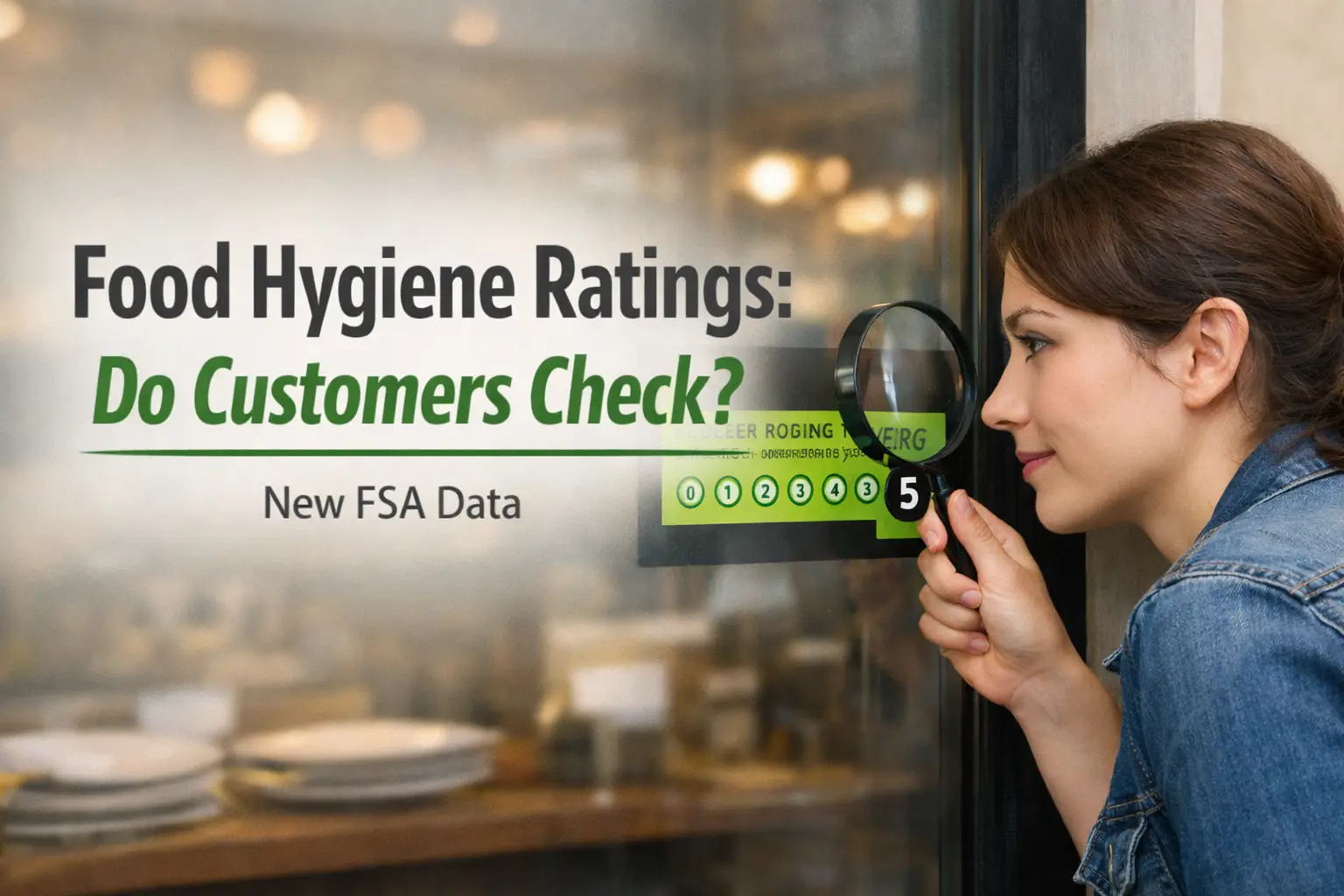
New FSA consumer data sheds light on how diners use hygiene ratings when choosing where to eat or order in.
This article translates those insights into practical steps for catering teams to protect reputation, stay inspection-ready, and meet rising expectations for transparent records and robust controls.
We’ll explore what customers check, why a rating of 3 matters, and concrete actions you can implement today.
What the new FSA data shows about consumer checks
Important: A reliable system is the best form of reassurance; it’s the difference between intention and everyday safety.
Diners increasingly use hygiene ratings as a quick risk signal before deciding where to eat or place an order. The data point to a demand for visible, trustworthy evidence of day-to-day controls, not just a glossy claim on a storefront. In practice, customers are forming impressions based on reliability, consistency and how easily they can review records if they’re curious or concerned.
What customers look for beyond the rating
- Clear explanations of what the rating means for daily operations
- Easy access to recent checks, logs and corrective actions
- Visible allergen and menu item information tied to the rating
A robust front of house and kitchen routine that produces traceable evidence supports customer trust even before the bill arrives.
A strong hygiene culture shows up in the records as well as in the dining room.
Which ratings are considered acceptable? The concern around a 3
The moment a rating appears online, diners may decide before stepping through the door.
Many customers view 4 or higher as the baseline for reasonable confidence, while a rating of 3 can trigger concern, especially for first-time visitors or higher-risk food categories. The perception is not universal, but the tendency to pause or reconsider is real. The online visibility of a 3 often shapes initial decisions, sometimes more than the actual service you deliver.
- A 3 might prompt cautious scrutiny from new customers or groups with heightened safety considerations
- Reassuring customers becomes easier when you can demonstrate crisp, dated records that align with the stated standard
What you can do if you have a 3
- Review and highlight recent corrective actions taken since the last inspection
- Ensure all logs (cleaning, temperatures, defects) are complete and easily reviewable
- Prepare a concise, exportable record packet that you can share on request
The moment a rating appears online, diners may decide before stepping through the door.
- Use opening and closing checks to verify standards on a daily basis
- Communicate clearly with staff about what the rating means for customers and the steps you’re taking to improve
Commercial impacts of a lower rating
A lower rating can influence footfall, bookings, and even online order volume, with ripple effects on staff confidence and day-to-day morale.
A lower rating can influence footfall, bookings, and even online order volume, with ripple effects on staff confidence and day-to-day morale. Restaurants reported noticing slower walk-ins or cautious reservations when the online rating dipped, even if the in-house experience was satisfactory. The takeaway sector often faces a sharper reaction because customers rely heavily on online impressions before placing orders.
- Footfall can be disproportionately affected by a single negative impression
- Online ordering platforms and social pages often reflect the rating, accelerating impact
- Staff confidence can waver if the team feels customers doubt the operation’s competence
Practical example: a café and walk-in trade
A café saw a noticeable fall in walk-in customers after a 3 rating appeared in online listings. The team responded by publishing a concise, up-to-date log snapshot that demonstrated ongoing daily controls and recent corrections, which helped restore confidence over a few weeks.
The power of good record-keeping: not just intentions
Documentation is your fastest route to turning a potential issue into confidence.
Good records turn good intentions into demonstrable control. Temperature logs, cleaning schedules, probe calibrations, and corrective action records are the backbone of consistent food safety practice. Allergen information linked to menu items and easy-to-review records for openings and closings help inspectors and customers alike.
- Clean schedules with confirmed task completion
- Temperature checks for cooking, cooling, cold holding, reheating, and hot holding
- Calibrations of thermometers and probes so measurements are reliable
- Defect logs and corrective actions that are easily auditable
- Allergen management linked to items and menus
- Training records showing staff competency and refreshers
Building clear food safety systems to support inspections and trust
The safest procedure is the one that can be followed consistently during a busy service.
A well-structured safety system is about repeatable processes, not just occasional audits. Opening and closing checks, routine internal reviews, and a digital platform that timestamps every entry help you spot trendlines and prove control during an EHO visit. Clear systems also support day-to-day control, reducing the ad hoc nature of tasks.
- Map out a simple cleaning schedule with responsible persons
- Standardise temperature monitoring across cooking, cooling, and storage
- Keep defect and correction procedures part of daily workflow
- Link allergen data directly to menu items and service screens
- Train staff with regular refreshers and keep records of attendance
- Regular internal audits can catch gaps before an external inspection
- Digital records are easier to review during a visit and share with authorised staff
Practical steps for everyday readiness and reputation protection
Clear systems, well-kept records and open communication protect both reputation and compliance.
Use a structured approach that fits your operation, from small cafes to larger caterers.
- Review cleaning schedules and log completed tasks properly
- Keep temperature checks for cooking, cooling, cold holding, reheating, and hot holding
- Record calibration of probes so measurements are reliable
- Make defect and corrective action records part of normal operation
- Keep allergen information linked to menu items and easy to review
- Use opening and closing checks to confirm standards every day
- Maintain training records so staff can follow food safety controls
- Use a structured digital system that timestamps records and supports inspection evidence
Consistent daily control builds trust with customers and inspectors alike.
- A head chef can use opening and closing checks to spot issues before an inspection
- A supervisor can rely on goods in checks and probe records to prove control over chill and cooked items
- A small caterer can show exportable PDF records during an EHO visit