Category: Foodborne Illness & Bacteria
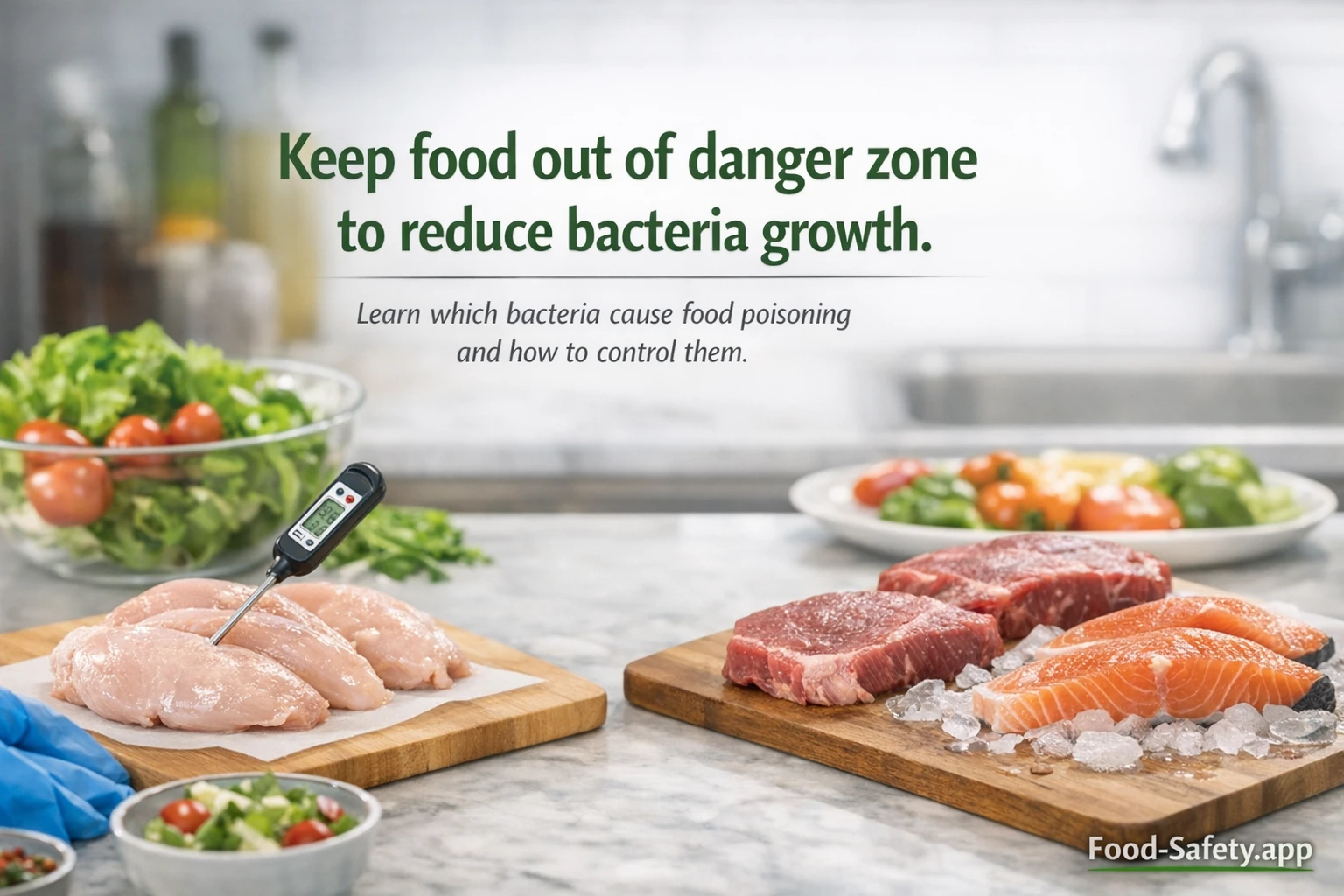
What bacteria cause food poisoning in kitchens?
Learn which bacteria cause food poisoning and how to control them.
How to manage foodborne viruses in food safety management
Struggling to control foodborne viruses in your food safety management? This guide explains practical steps for UK kitchens using Food-Safety.app. Table of Contents What are foodborne viruses? Foodborne viruses are infectious agents that can be passed on through food, usually because of poor hygiene or contaminated water. Unlike bacteria, they don’t grow in food. Instead,…
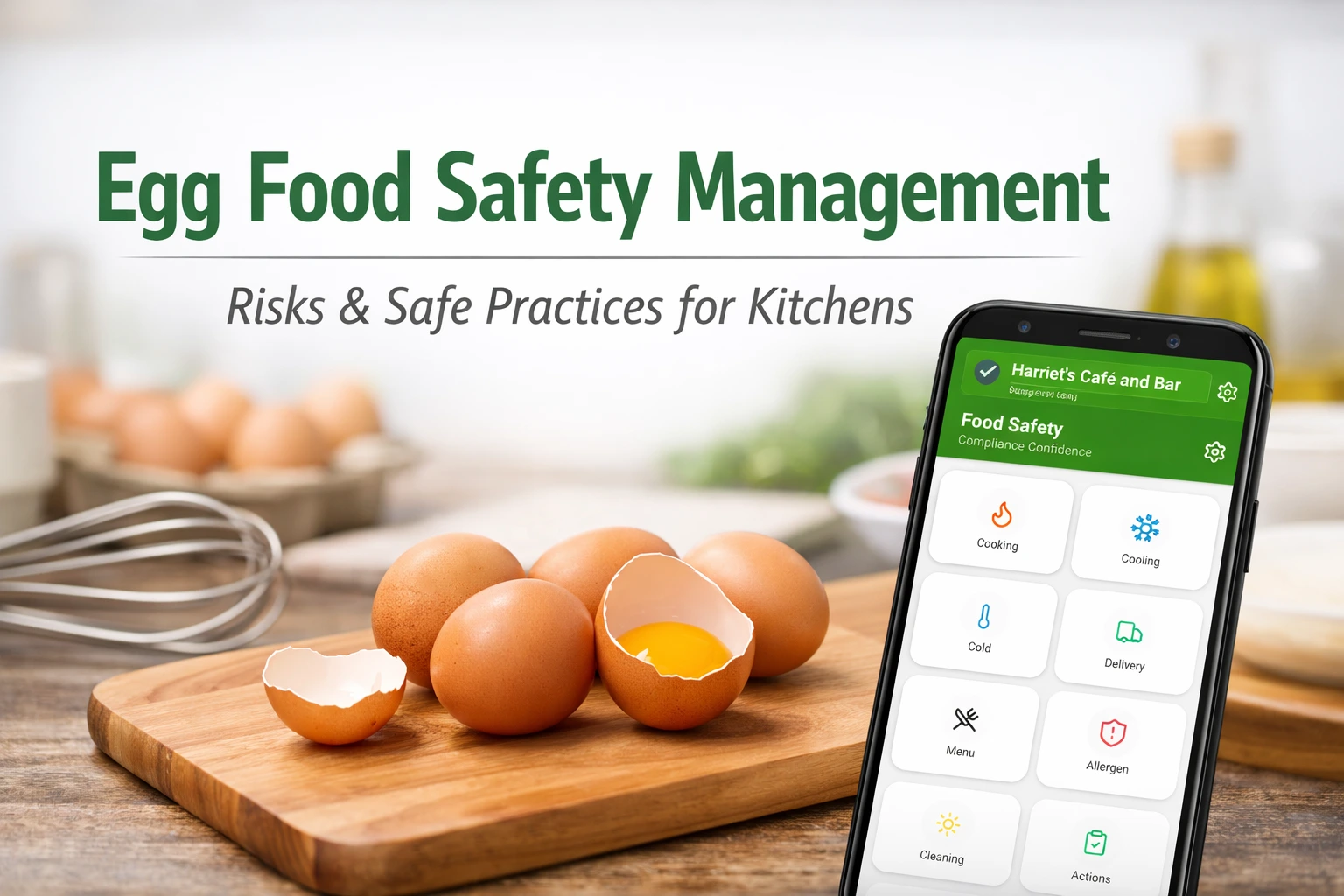
Egg Food Safety Management: Key Risks Explained
Concerned about egg safety in your kitchen? This guide explains risks, rules, and how a food safety management system helps UK catering businesses stay compliant. Table of Contents What are the main risks of eggs? Eggs are a staple ingredient across catering, but they’re also classed as a high-risk food. The main concern is contamination…
How to Prevent Salmonella in Food Safety Management
Learn how Salmonella spreads in kitchens and how good food safety management and digital food safety records help UK caterers stay compliant. Table of Contents How does Salmonella get into your kitchen? Salmonella doesn’t appear out of nowhere. In most UK kitchens, it arrives with raw ingredients and poor supplier control. Common sources in 2025…
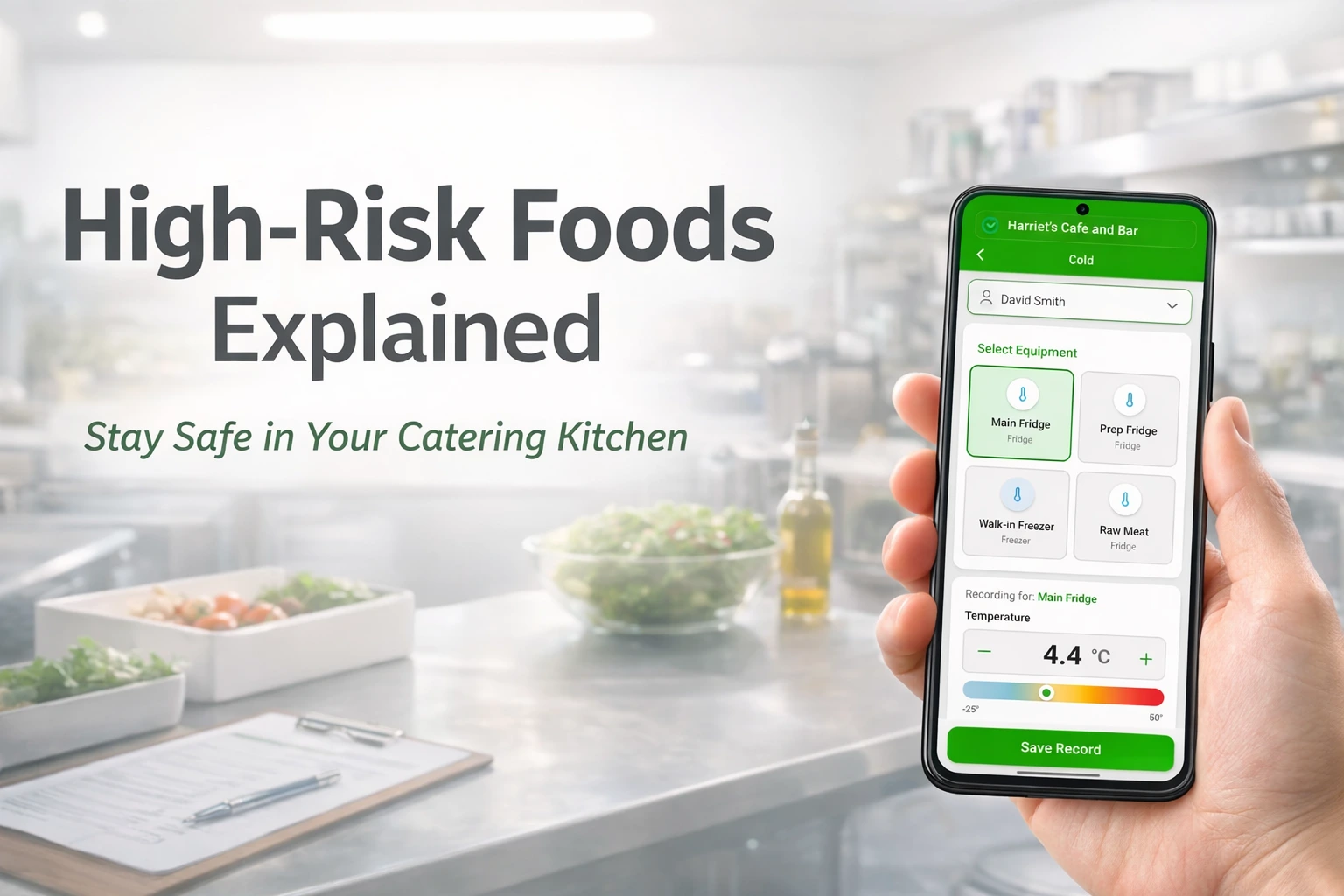
What Are High-Risk Foods?
Running a catering business means keeping high-risk foods safe every day. This guide explains what they are, how to control them, and how a food safety management system helps you stay compliant. Table of Contents What are high-risk foods? High-risk foods are foods that can easily grow harmful bacteria and are ready to eat without…
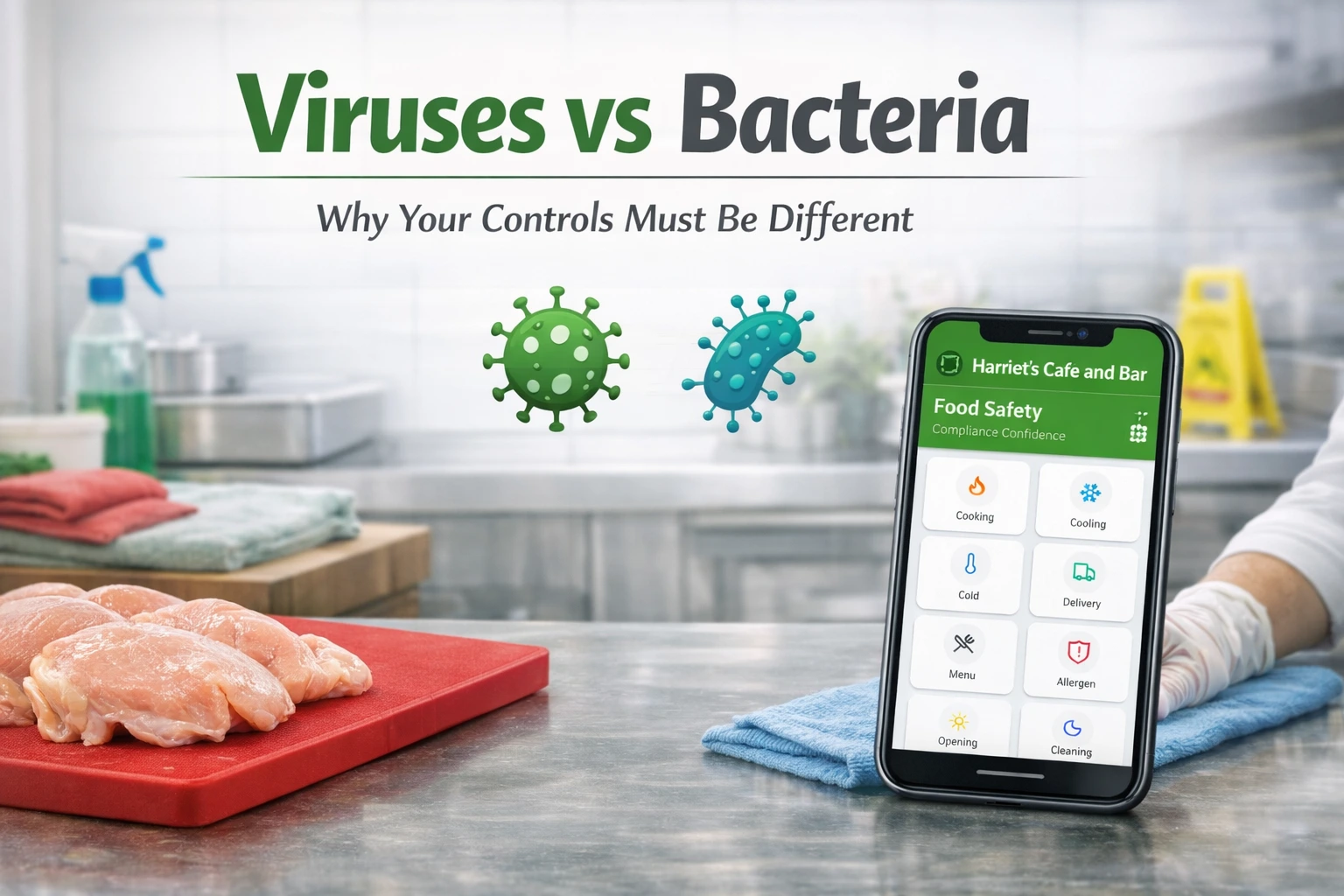
Viruses vs Bacteria in Food Safety Management
If you run a UK food business, the difference between viruses and bacteria matters because the controls are not the same. Bacteria are mainly controlled through time and temperature. Viruses are mainly controlled through hand hygiene, staff illness rules, and preventing contamination after cooking. If your team treats both hazards the same way, you can…
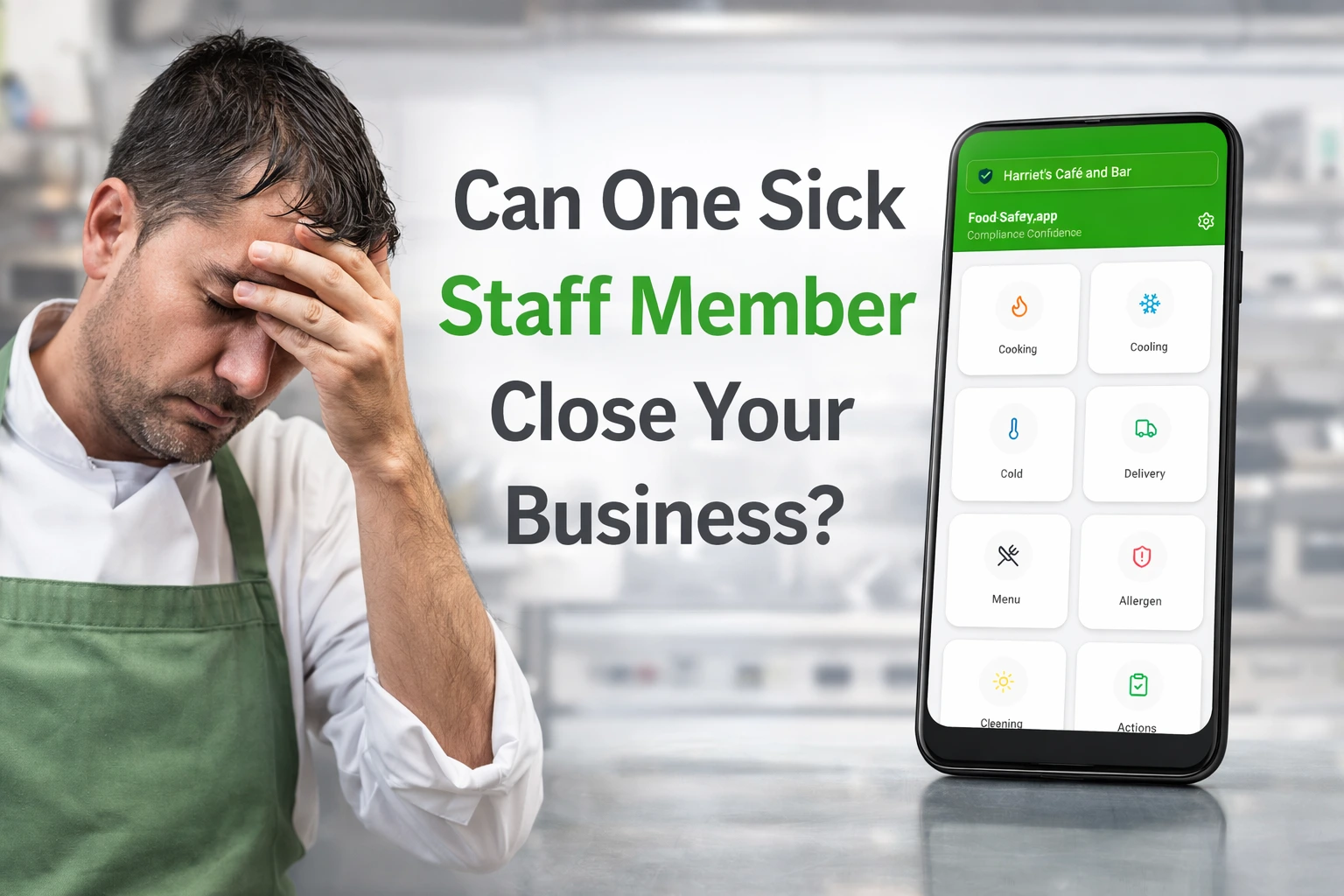
Can one sick staff member ruin food safety management?
If you run a catering business, one unwell staff member can quickly undermine your food safety management and even force closure. Here’s what you need to know to stay compliant and protect your food hygiene rating. Table of Contents Why one sick staff member matters In a busy kitchen, it’s easy to overlook mild illness.…
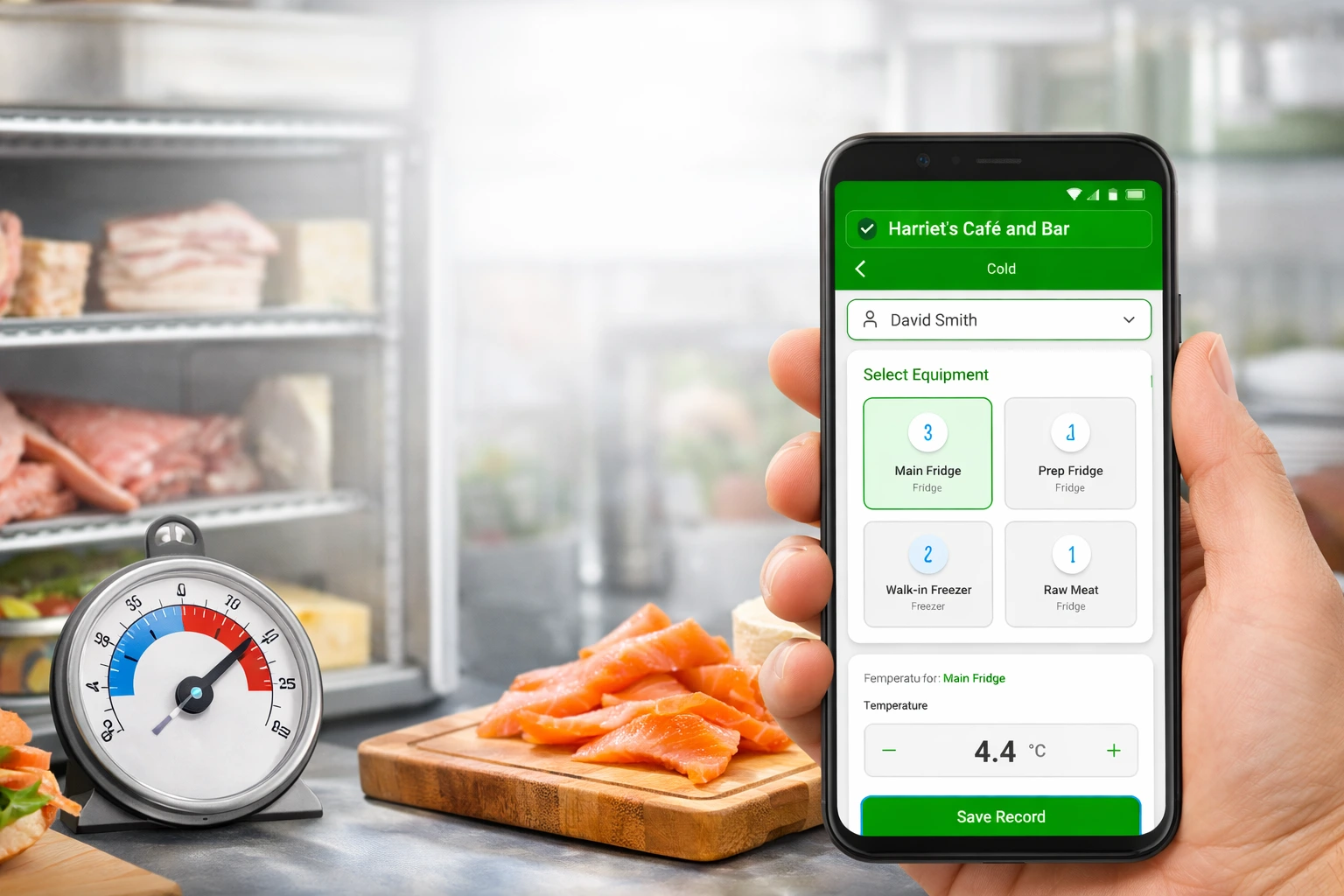
Listeria Control in Food Safety Management
Struggling to manage Listeria risks in chilled foods? This guide explains practical food safety management steps and how digital food safety records can help. Table of Contents What is Listeria and why does it matter? Listeria monocytogenes is a food poisoning bacteria that behaves differently from most others. The key issue for catering businesses is…
Main Food Poisoning Bacteria and Viruses
Food poisoning can damage your reputation and food hygiene rating if it happens in your business. This guide explains the main bacteria and viruses responsible for food poisoning in the UK and how a food safety management system can help you control the risks. What causes food poisoning? Food poisoning usually happens when harmful bacteria…