Category: Foodborne Illness & Bacteria
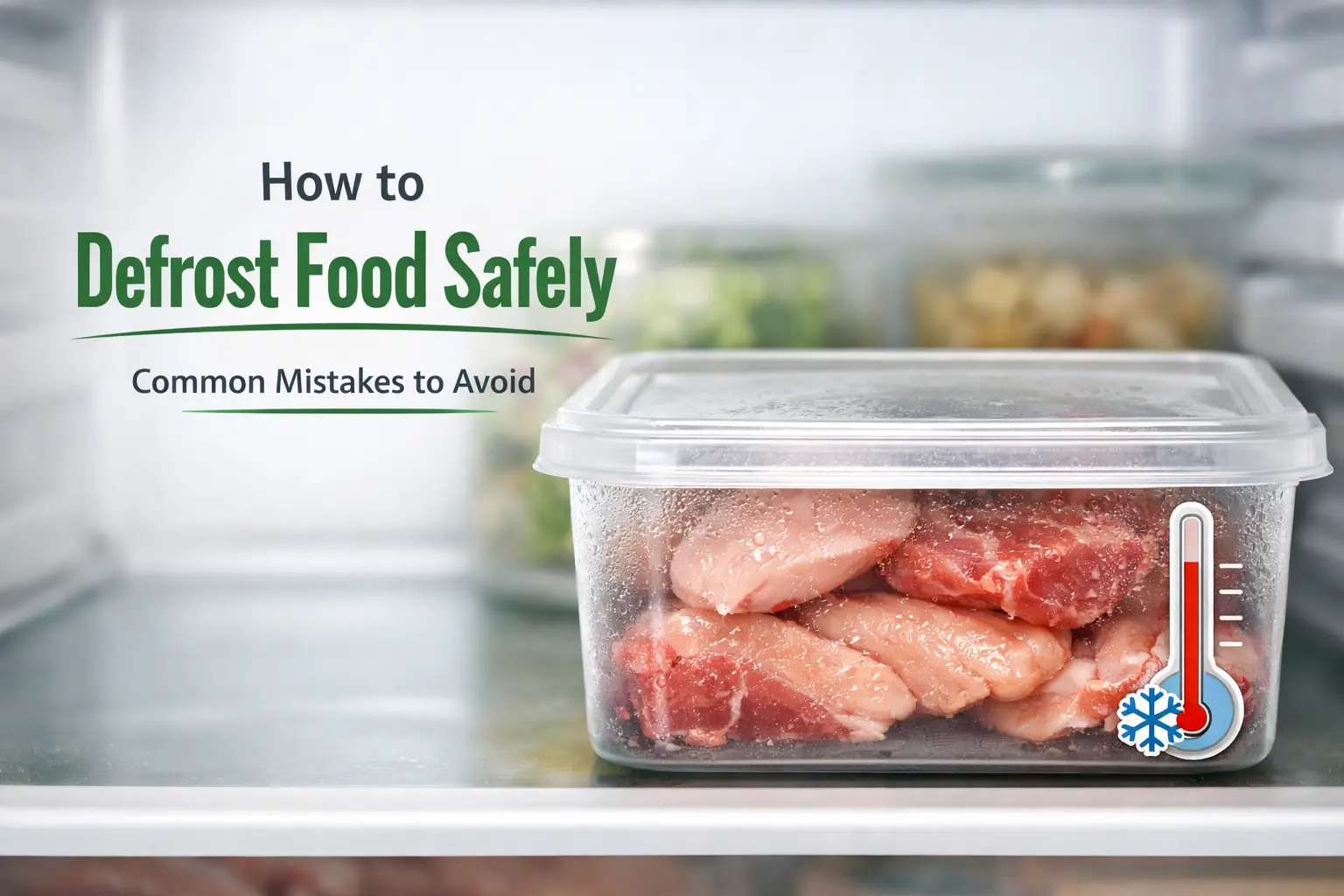
How to Defrost Food Safely: Common Mistakes to Avoid
Defrosting is a food safety control, not a prep shortcut; use fridge thawing, prevent drip contamination, and record temperatures and actions for traceability.
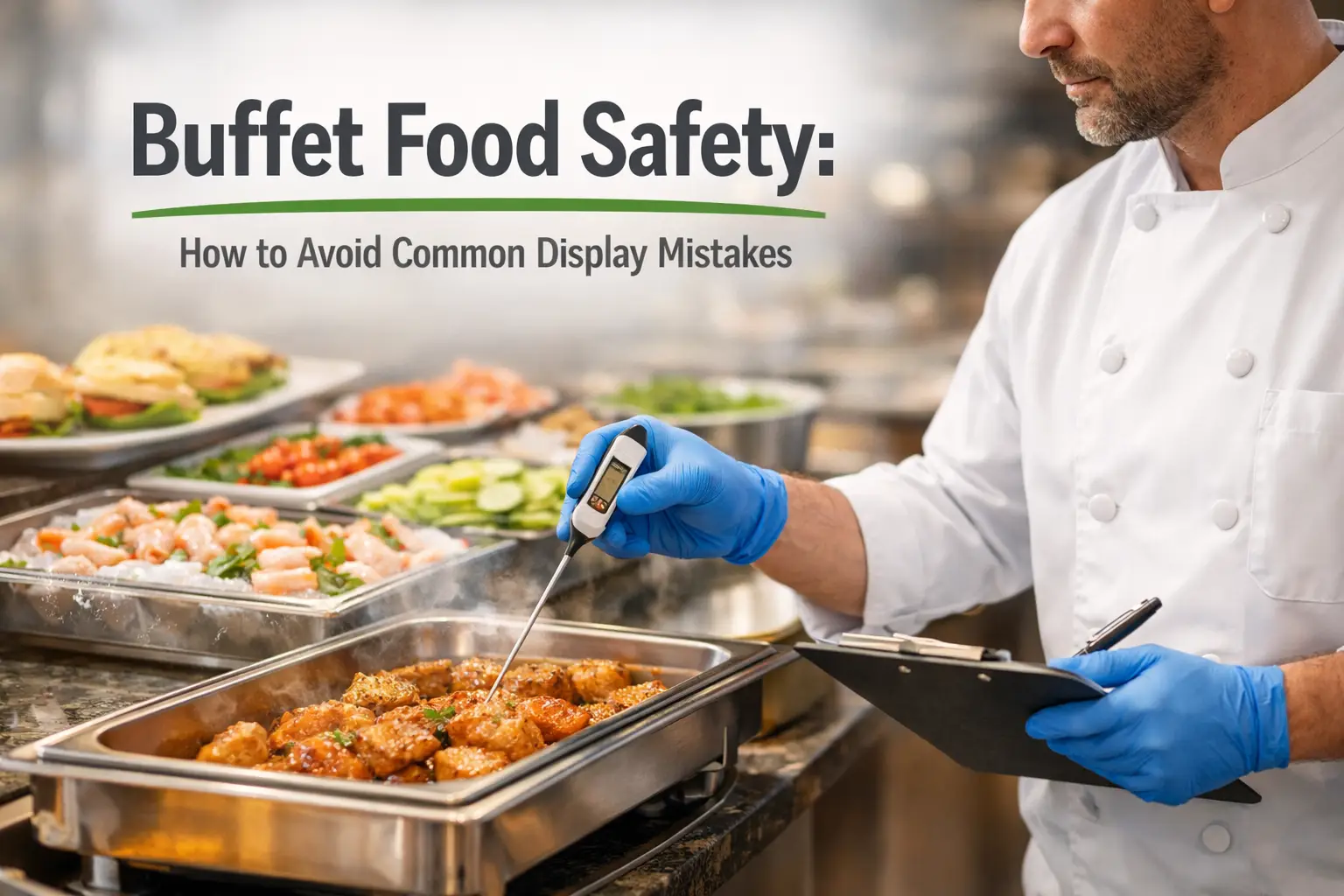
Buffet Food Safety: How to Avoid Common Display Mistakes
Discover how to keep buffet and display foods safe through temperature control, careful topping up, and staff checks, with simple records for compliance and confidence.
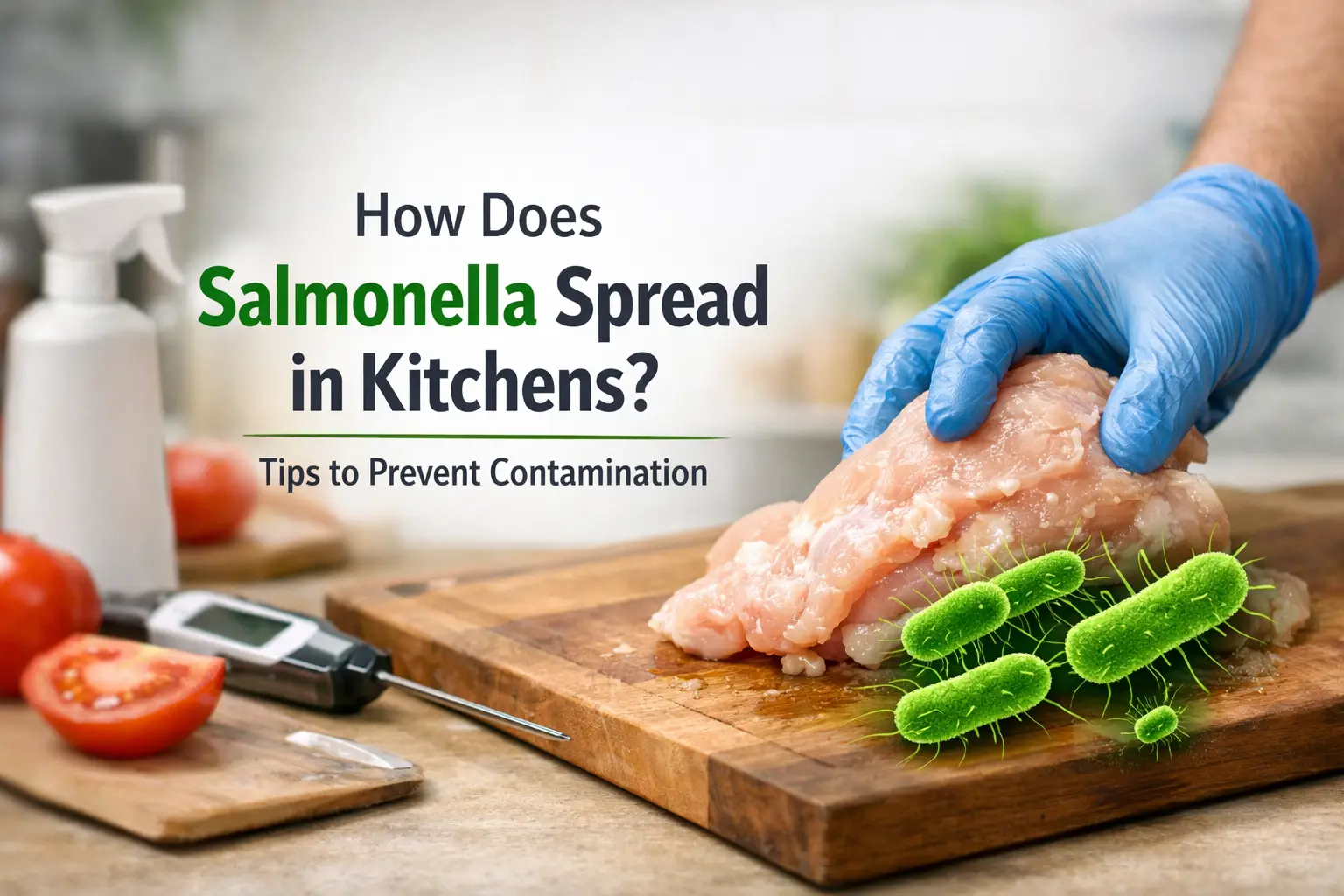
How Does Salmonella Spread in Kitchens and How to Prevent It
How salmonella spreads in catering kitchens, common contamination routes, and practical controls to reduce risk and support HACCP compliance in food businesses.
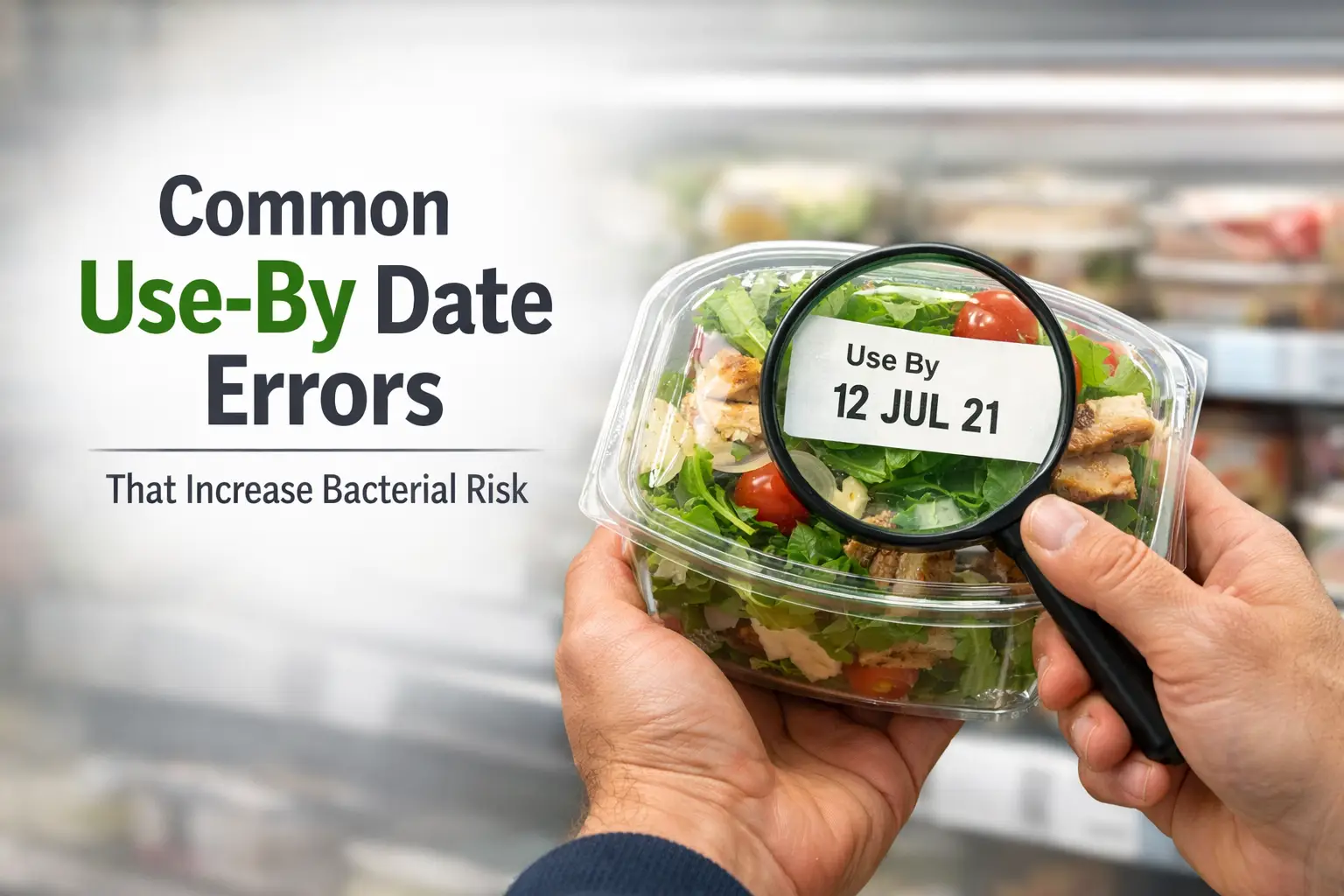
Common Use-By Date Errors That Increase Bacterial Risk
Spot use by date mistakes that raise bacterial risk and apply practical controls to prevent unsafe food, with Food-Safety.app aiding opening checks, history and audits.
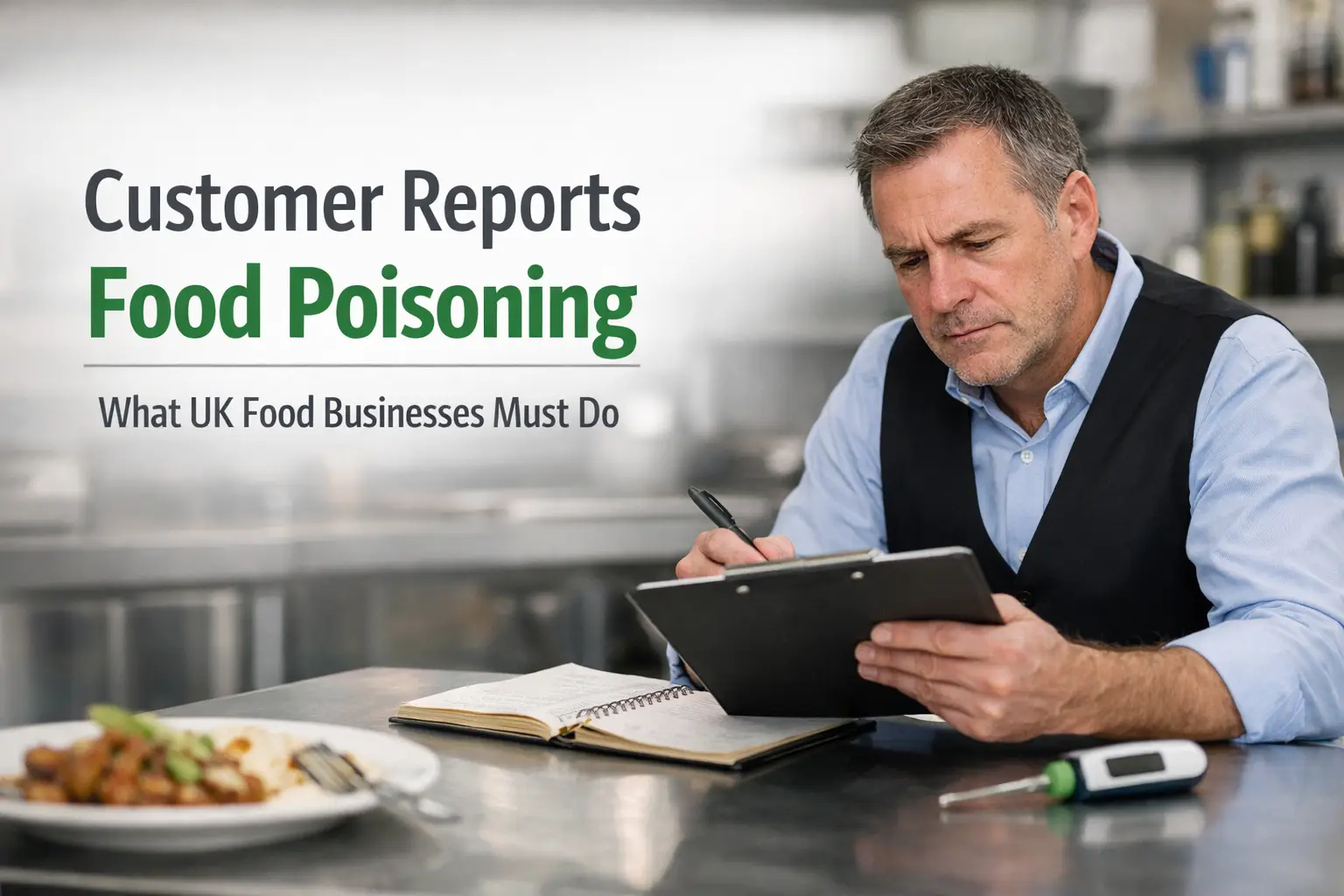
Customer Reports Food Poisoning: What UK Food Businesses Must Do
How to handle customer illness reports calmly: collect time, date, symptoms, and what was eaten; protect evidence, review controls, and log actions for inspections.
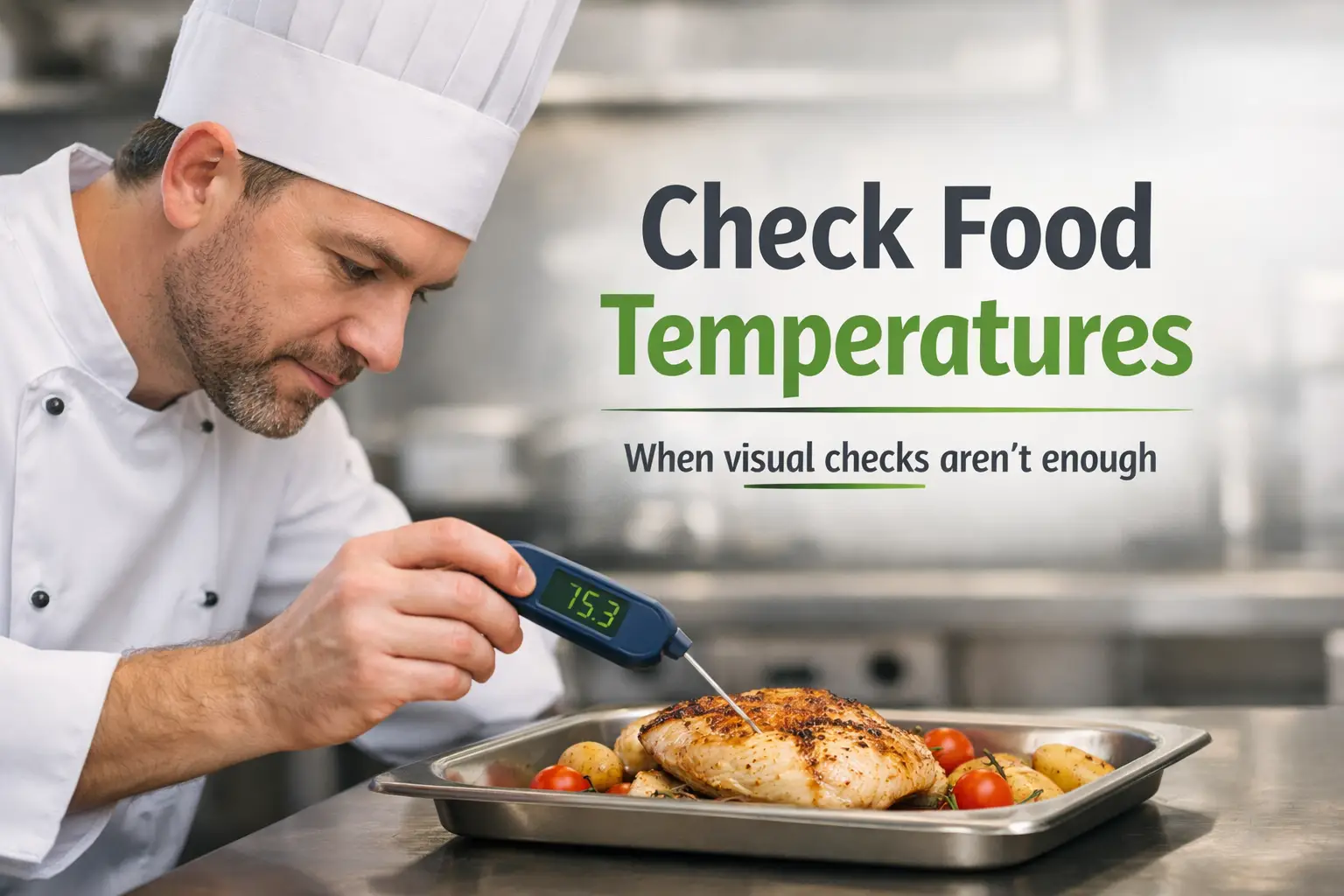
How to Use a Probe to Prevent Food Poisoning
Understand simple probe routines to prevent undercooked food and cross-contamination, boost temperature checks and records for inspections, supporting small kitchens.
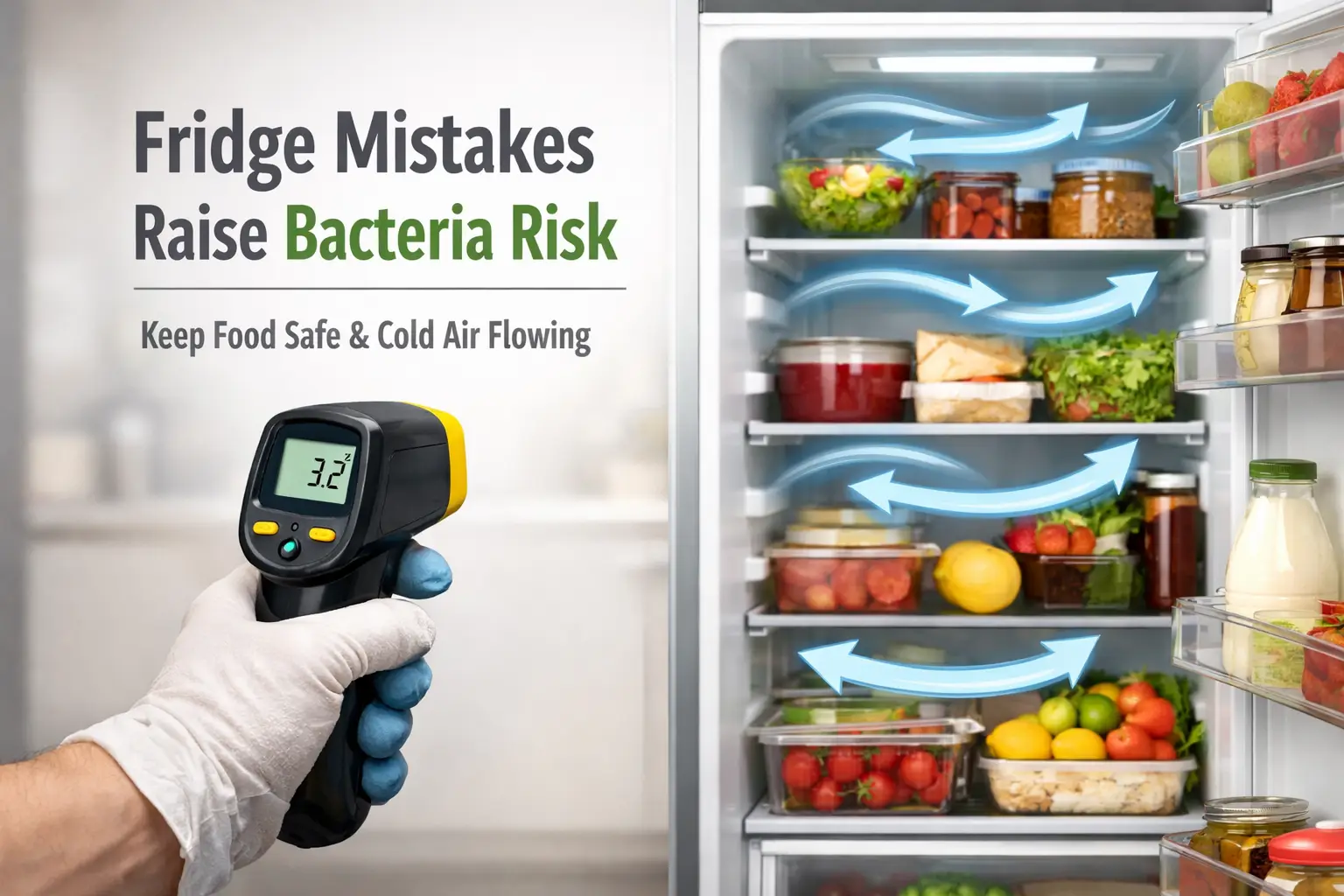
Fridge Mistakes That Let Bacteria Grow
Learn how everyday fridge mistakes let bacteria grow and how tighter checks, better habits and clear records reduce risk for food businesses and teams in busy kitchens.
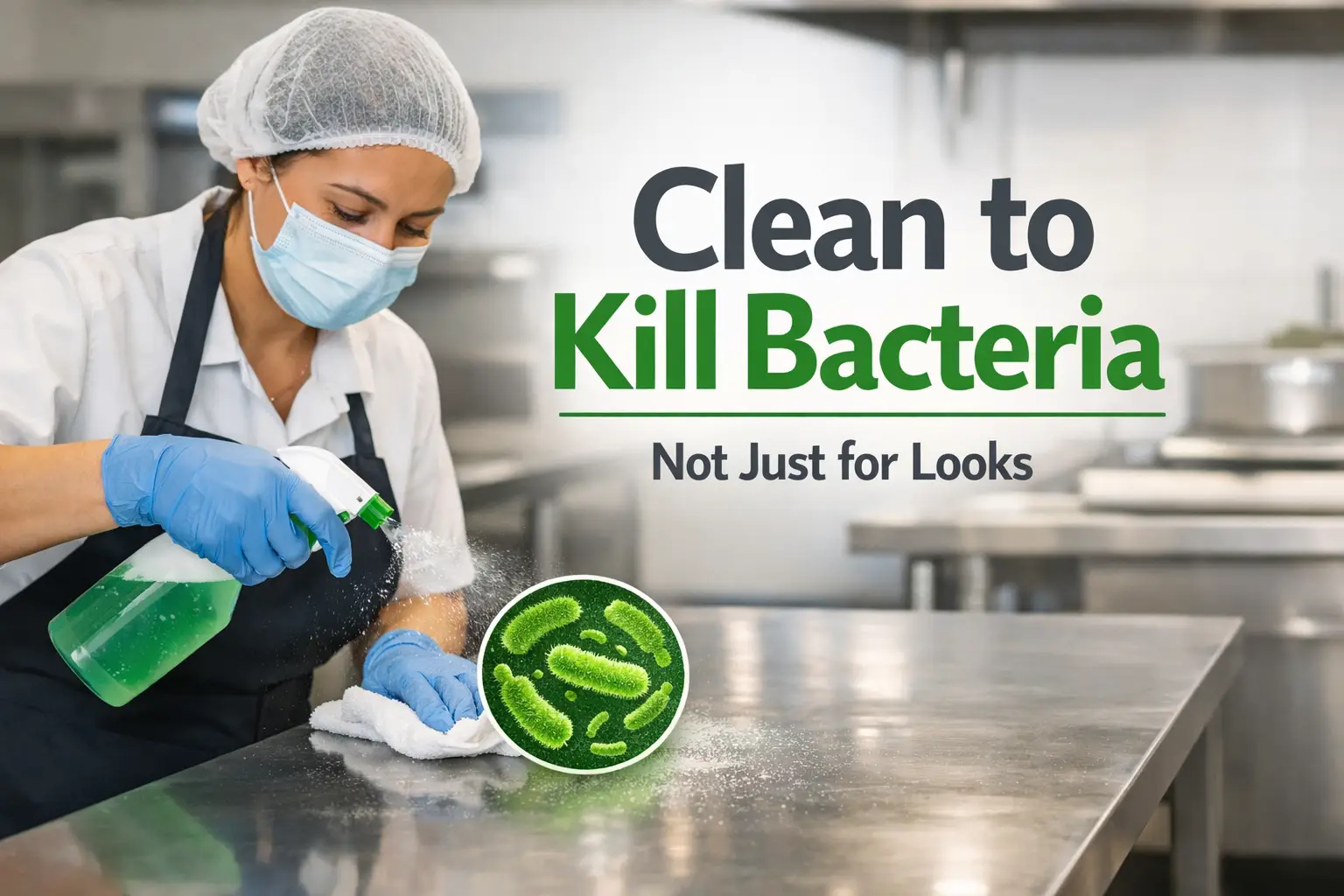
How to Clean for Bacteria Control Not Just Appearance
Learn to clean for bacteria control, not just visuals, with clear touchpoint routines, verified disinfecting, HACCP-linked records, and Food-Safety.app for audit trails.
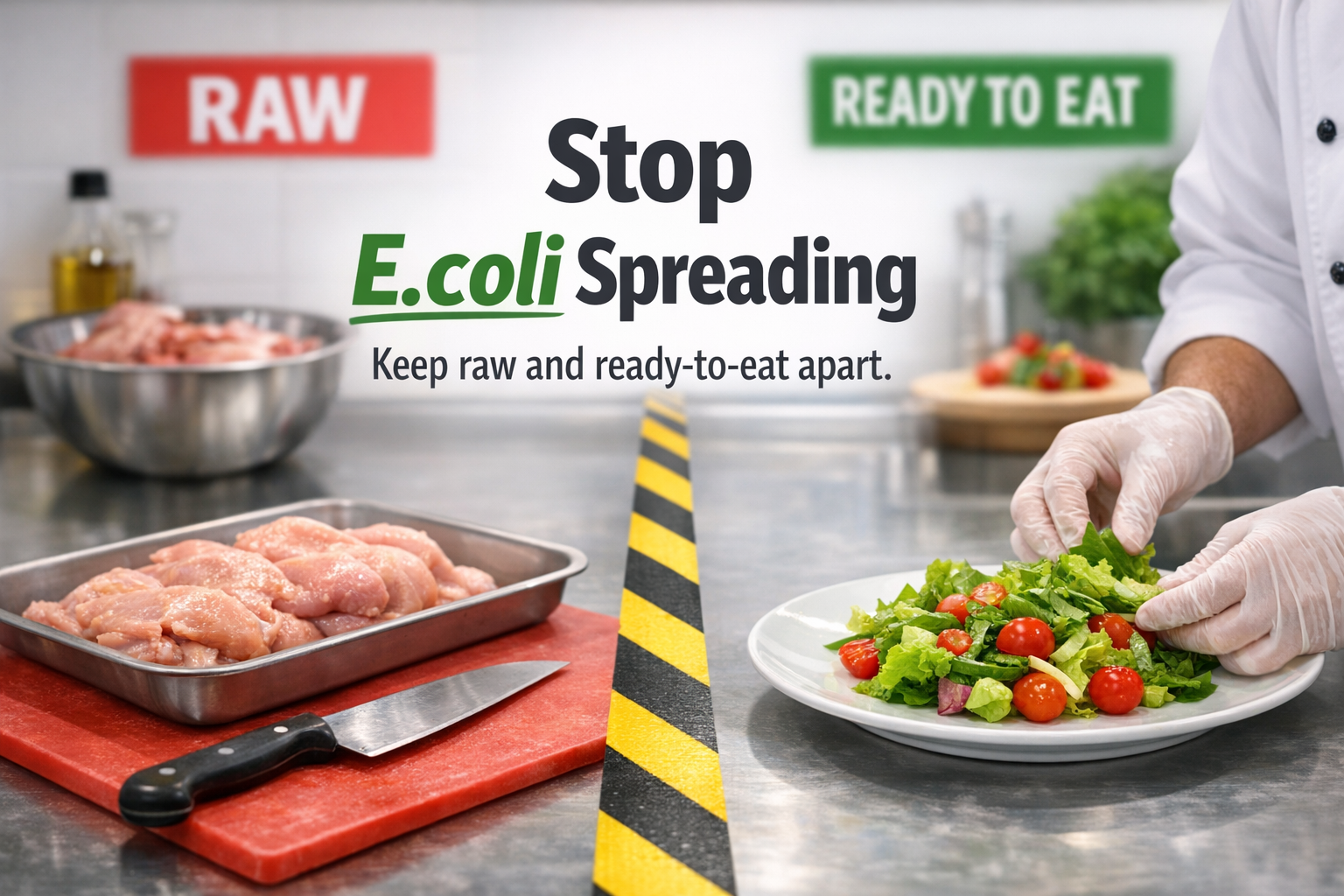
E coli Mistakes That Put Ready to Eat Food at Risk
Discover how to spot everyday E coli risks in catering, tighten cleaning and record keeping, and prove controls to inspectors with clear, auditable records regularly.