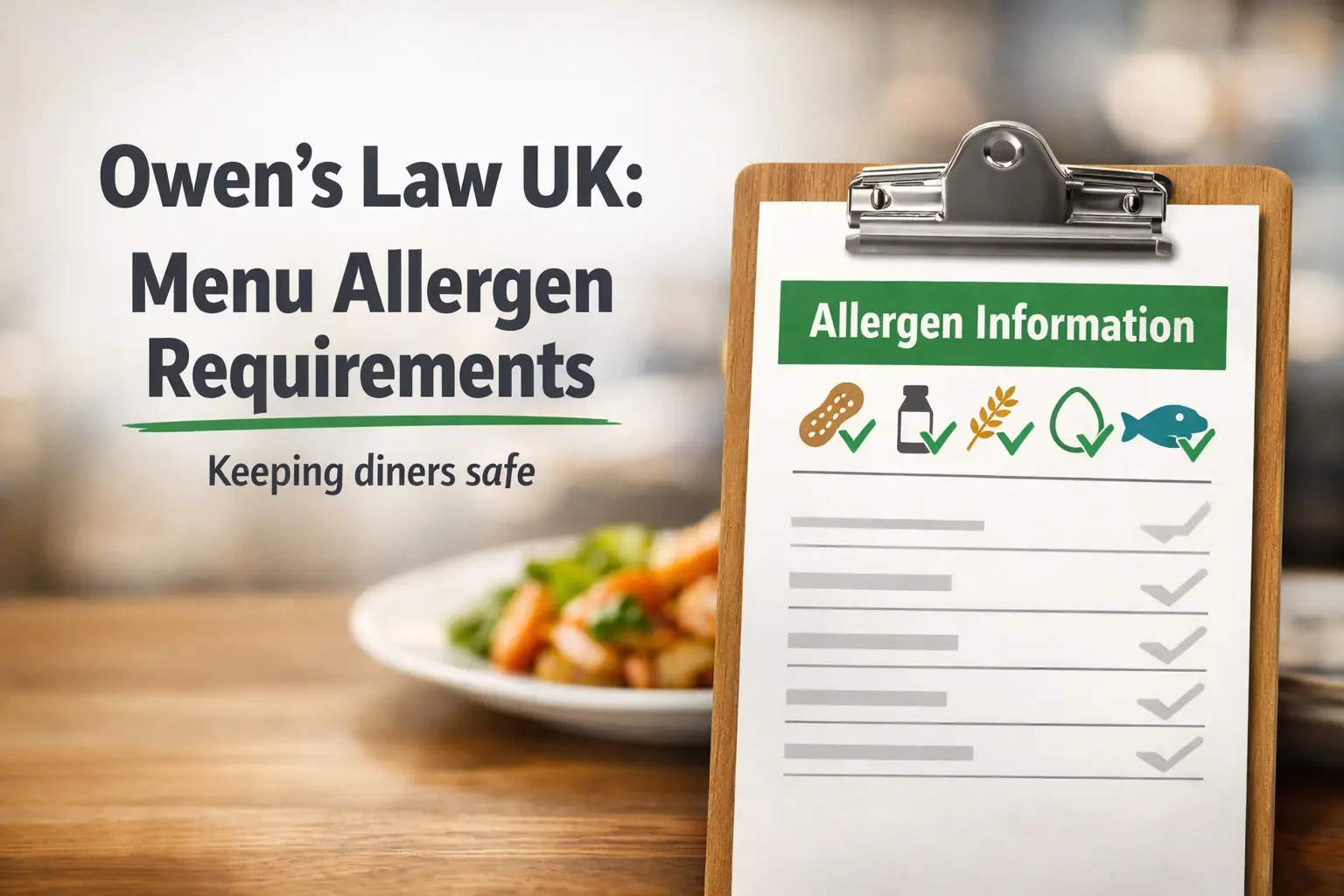
Owen’s Law is driving UK venues to formalise written allergen information. This piece explains what it means for restaurants, cafes, pubs and caterers in 2026, with practical steps to establish clear, up-to-date allergen records, and consistent communication at every customer touchpoint.
Owen’s Law explained and why it matters
Important: Written allergen information should be the default, not an afterthought, and it must align with what staff are told verbally.
Owen’s Law refers to the push for clear, written allergen information across all customer-facing channels. It’s about making sure what’s on the menu, on printed sheets, and in digital records reflects the actual ingredients and potential cross-contact risks. For frontline teams, this means a single, reliable source of truth that staff can point customers to at every interaction, from taking an order to serving and handling takeaways.
A practical takeaway is to treat every dish as having an allergen profile you can confirm in writing. This reduces misunderstandings during busy service and supports safer customer communication.
UK allergen law today and the move to stronger written controls
The legal landscape in the UK around allergen information has long emphasised that customers must be able to access accurate allergen details. While verbal guidance helps, growing expectations and enforcement practices are driving a shift toward stronger written controls, accessible at the point of sale and through staff-facing systems. In 2026, many operators are moving toward an explicit, shareable written record that accompanies every dish, including specials and seasonal items. The emphasis is on accuracy, traceability, and easy auditability, rather than relying on memory or casual notes.
Safer practice: Make written allergen information the primary reference for every service channel, and train staff to use it consistently.
For businesses, this means building frameworks that connect menu planning, supplier information, ingredients lists, and customer communication into a coherent system.
Verbal advice vs written allergen information
Verbal guidance remains essential, but it cannot be the sole method of communicating allergens. Verbal tips can slip during peak service, or be misremembered when staff rotate shifts. Written information acts as a safety net and a training aid, helping new team members learn the standard process quickly.
- Use a clear script for conversations: confirm the dish, confirm the specific allergens, and direct customers to the written record.
- Ensure staff can access the written allergen details quickly, in the kitchen and at the till.
- Cross-check changes in ingredients or suppliers with the written record before service begins.
Key distinction: Verbal advice is a safety-critical supplement, not a replacement for written records.
A practical scenario: during a busy lunch rush, a customer asks for allergen information at the till. The system should allow the staff to pull up a current written allergen sheet for the exact item and confirm any cross-contact considerations before proceeding with the order.
Central allergen records for all 14 recognised allergens
There are 14 recognised allergens that every simple, practical system should cover. These are the core to track across all menu items:
- gluten (wheat)
- crustaceans
- eggs
- fish
- peanuts
- soy
- milk
- tree nuts
- celery
- mustard
- sesame
- sulphur dioxide and sulphites
- lupin
- molluscs
A central allergen record means each menu item has a dedicated entry that links to its ingredients and potential cross-contact risks. It should be easy to update and easy to export for audits or inspections.
An example template for a single item could look like this:
- Menu item: Margherita pizza
- Ingredients: pizza base (gluten wheat), mozzarella (milk), tomato sauce
- Allergens: gluten, milk
- Cross-contact notes: prepared in a shared facility with nuts; grill rack used for other dishes
- Last updated: [date]
Strong practice: Every item should have an allergen footnote or symbol in the central record and on any printed menu.
A small takeaway or café with a short menu can still use a compact version of this approach, linking each dish to a short written allergen summary and a simple change-log for updates.
Keeping information current: recipes, menu changes and updates
Food and drink menus are dynamic. A recipe change, new supplier, or substitution can alter allergen content, so the written record must be updated promptly and communicated to staff. Establish a clear change-management process:
- Record changes in a central allergen file before the dish goes live.
- Notify front-of-house and kitchen teams of updates via a brief handover or digital notice.
- Update printed menus and digital menus or QR codes as soon as feasible.
- Retain a simple log of who approved the change and when.
For seasonal dishes or daily specials, set a routine to review allergen details before promotion. This reduces the risk of serving a dish with unexpected allergens.
Useful reminder: A well-managed change log makes it easy to prove that information was current at the time of service.
When a customer asks about a newly introduced dish, staff should be able to confirm the item’s allergen profile from the central record and point to the exact written details. If information is not yet available, the dish should be withheld from service until the record is complete.
Final notes and practical takeaways
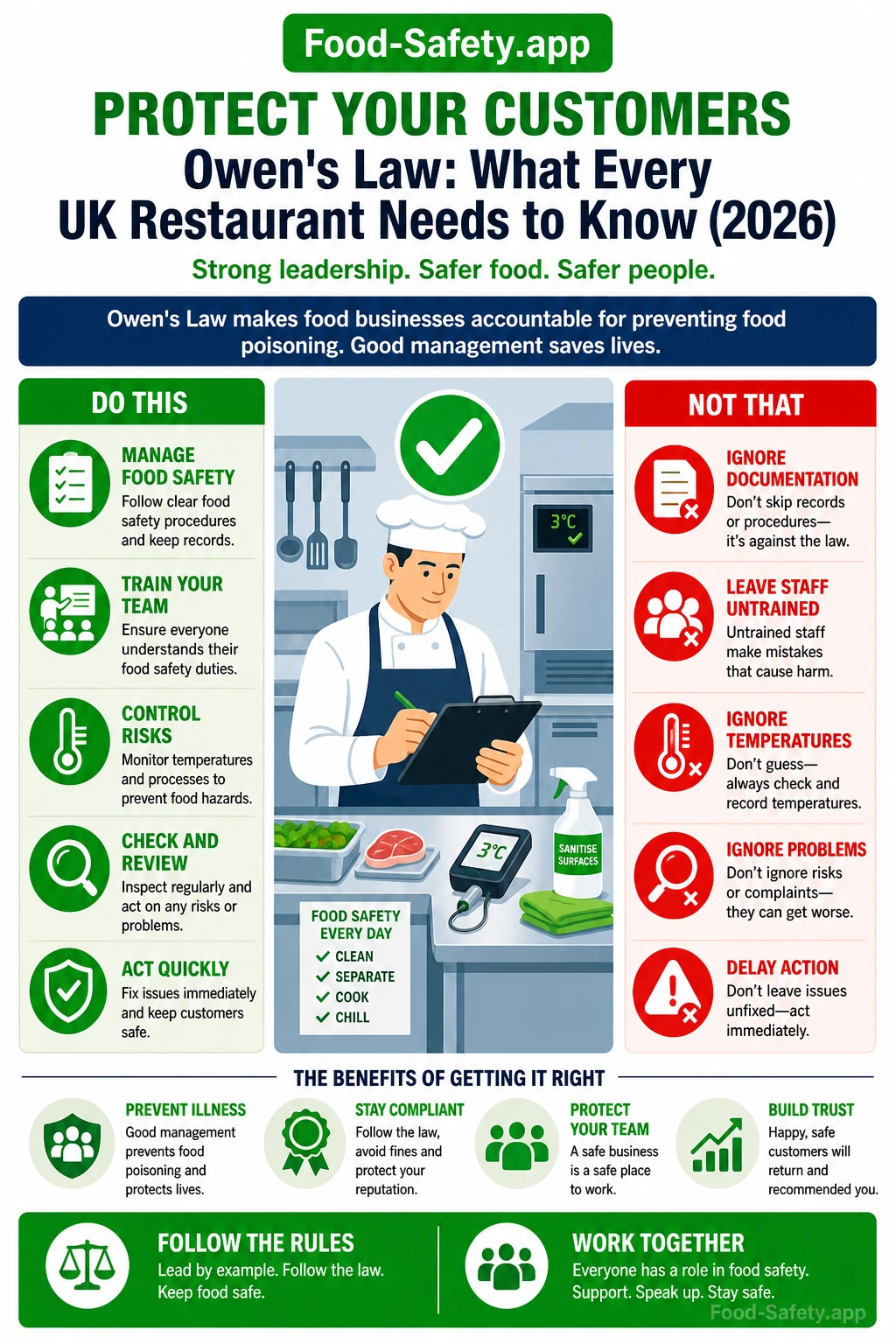
- Keep a central allergen record for every menu item and link it to the recipe and supplier data.
- Make written allergen information readily available at the point of sale.
- Train all staff to follow the same allergen process every time, regardless of who serves the customer.
- Review recipes, suppliers and menu changes regularly; document updates.
- Use digital records that can be exported for inspection or audit, and maintain a clear change log.
- Publish your process as part of your operational checks and daily service routines.
Important: Written information and consistent processes are the backbone of safe, customer-friendly service.