Category: Food Safety Fundamentals
Top Foodborne Risks and How to Prevent Them Every Business Should Know
Foodborne illness usually starts with ordinary mistakes in busy kitchens: a sick team member comes in because the rota is tight, raw chicken is stored above salad during a rushed delivery, or a probe check gets skipped because service has already started. This page explains the most common foodborne illness risks in real food businesses…
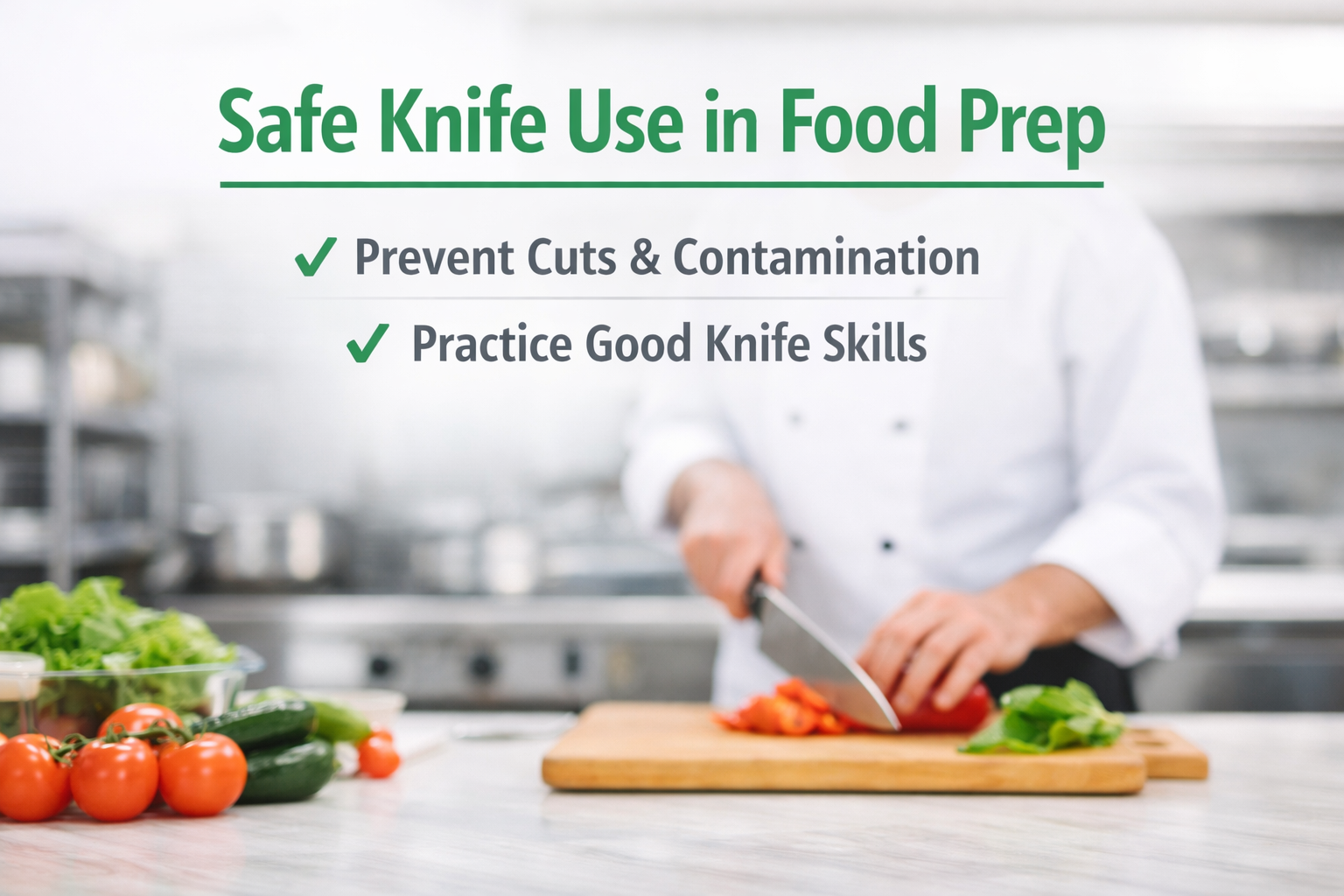
Safe Knife Use in Food Prep
Knives are used all day in cafés, restaurants, takeaways, food trucks and small producers. They help you prep fast and serve on time. They can also cause painful cuts and risks like cross contamination if they’re used the wrong way and without good food safety practices supported by a solid food safety management system. Why…
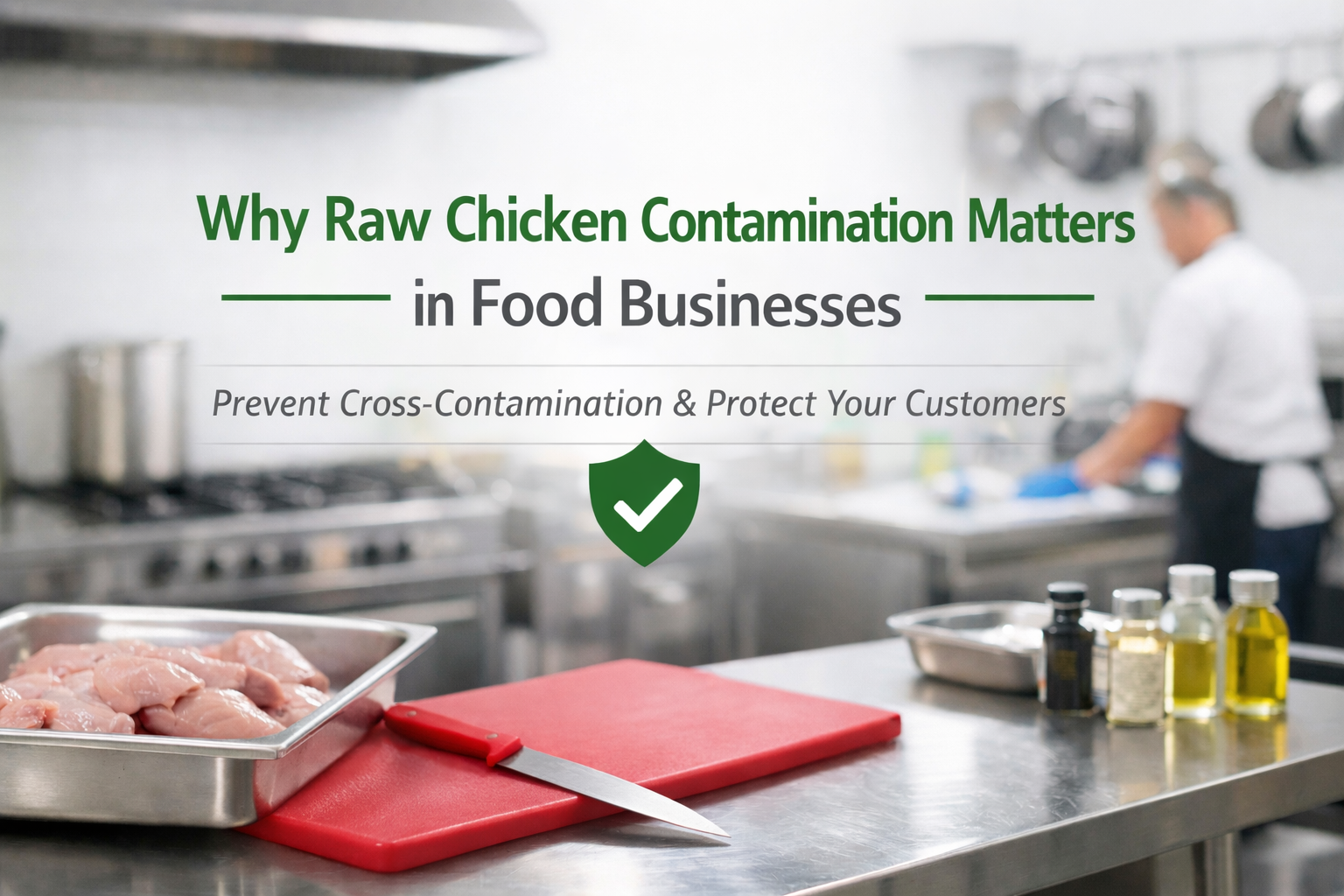
Why raw chicken risks food hygiene and how to control it
Raw chicken is one of the main causes of food poisoning in kitchens when it’s not handled safely. Bacteria like Campylobacter and Salmonella are commonly found in raw poultry and can spread easily without careful controls. (Food Standards Agency) For food businesses, preventing contamination from raw chicken is part of your food safety management system…
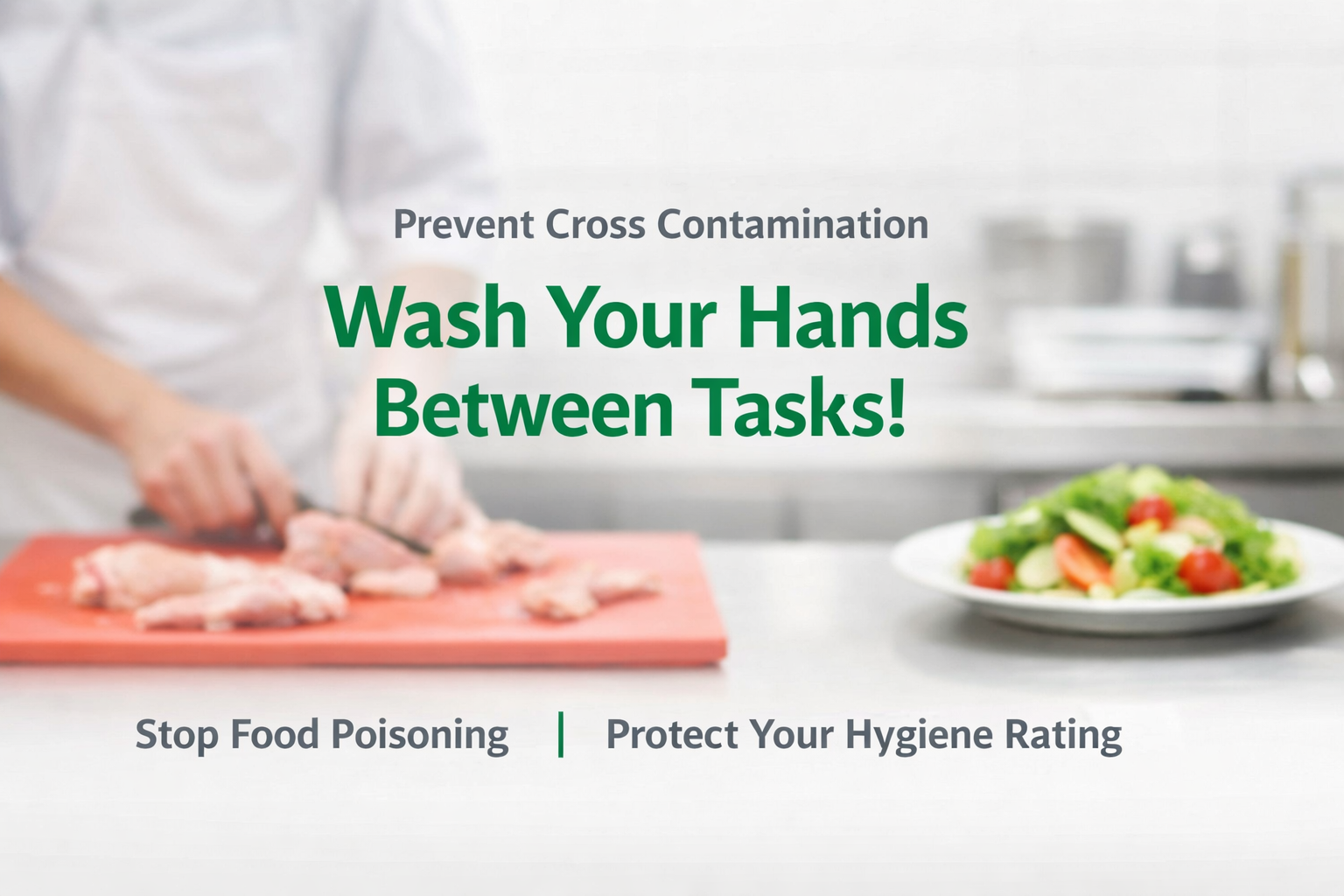
Stop Cross Contamination: Hand Washing Between Tasks
Not washing hands between tasks increases the risk of cross contamination, food poisoning and low food hygiene ratings, and it undermines your food safety management system and digital food safety records in your food-safety app. Why hand washing matters more than you think Your hands touch food, equipment, packaging and surfaces all day. Each task…
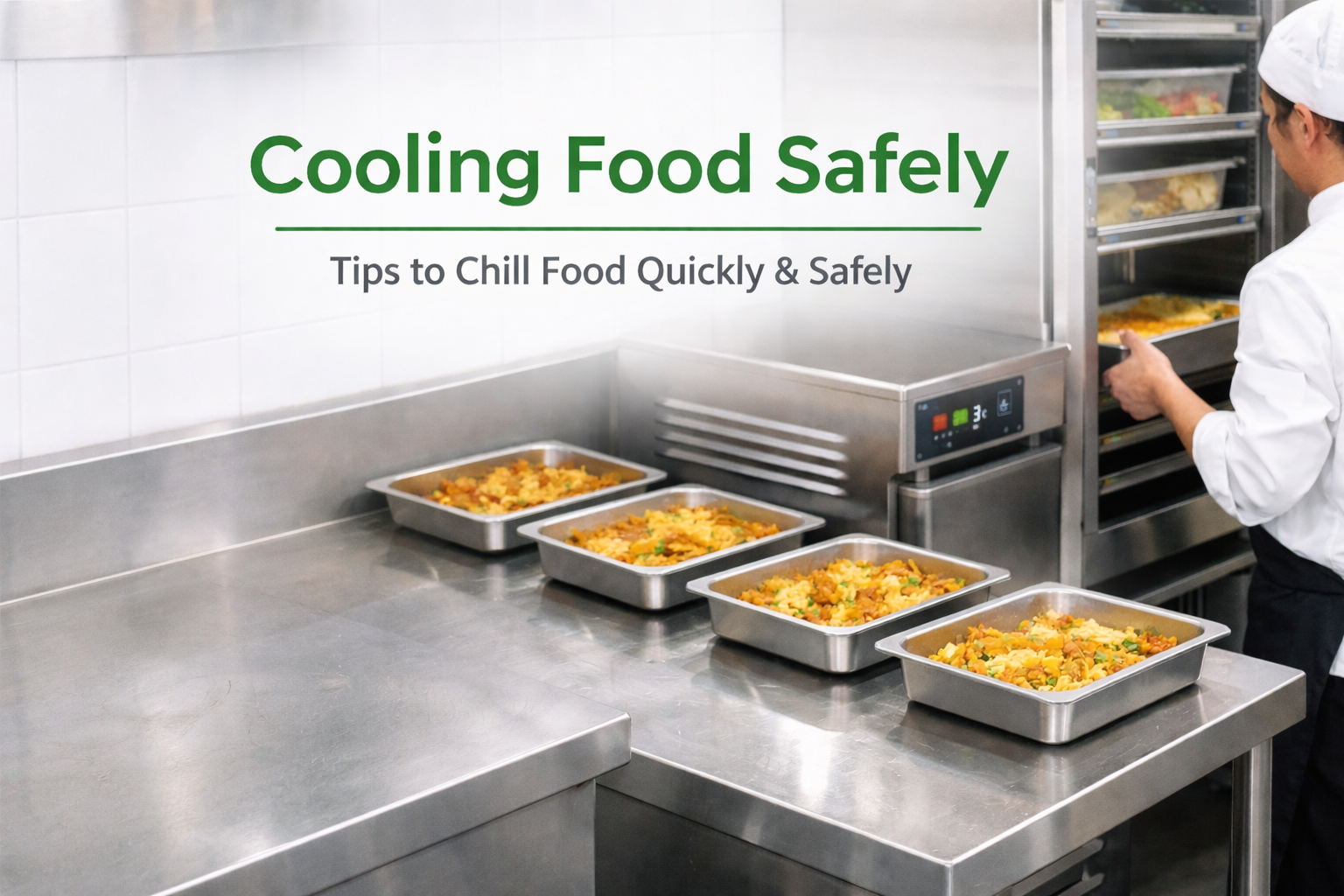
Cooling food safely for busy kitchens
Cooling food safely is one of those jobs that sounds simple but causes a lot of food safety problems. You cook food. You cool it. You store it. Easy, right? In reality, this step is where many food hygiene ratings drop. It’s also where food poisoning risks creep in if things aren’t done right. If…
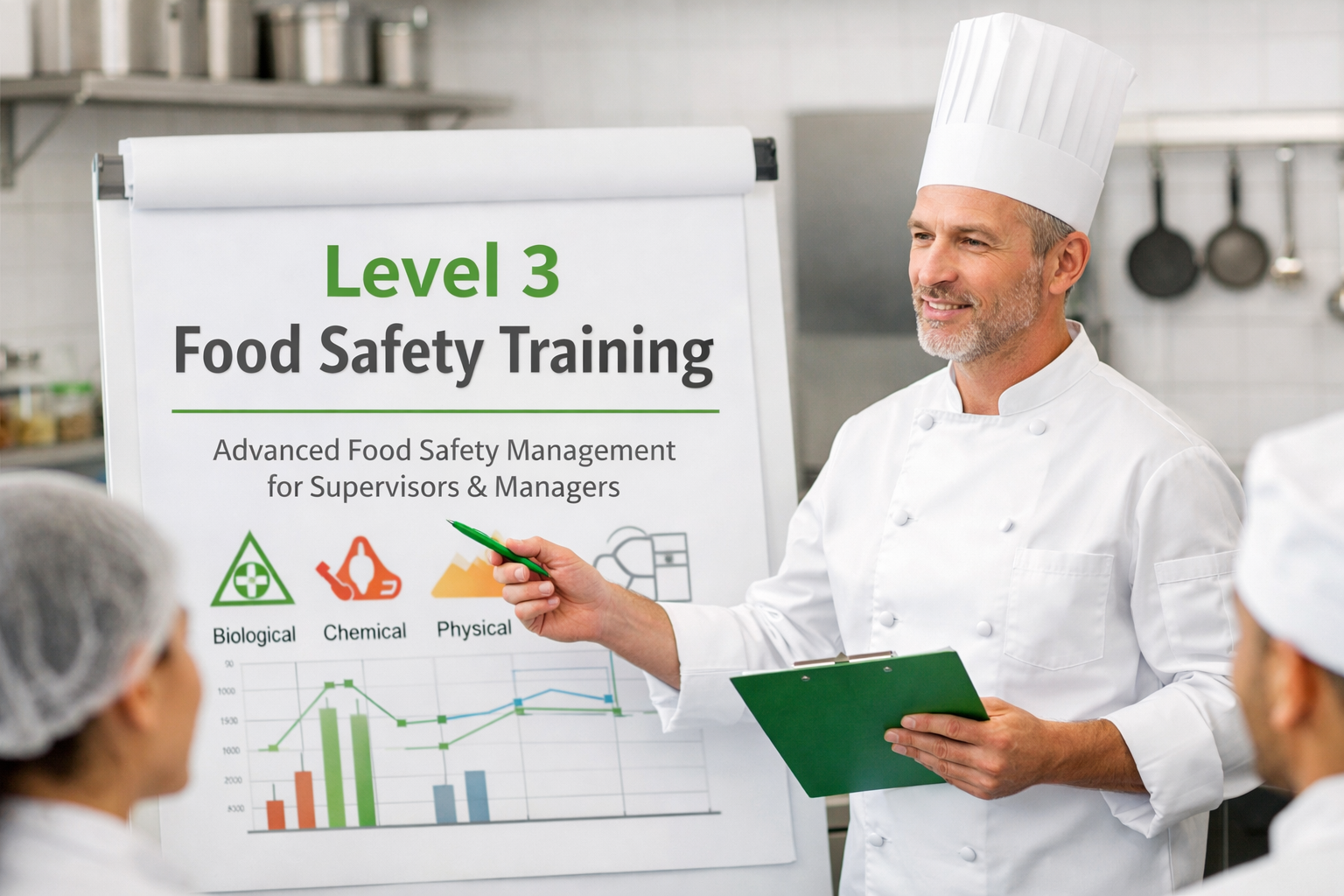
What Is the Level 3 Food Safety Syllabus and Why It Matters to Your Business
If you run a food business, you’ve likely heard about Level 3 food safety. You might even be wondering if you need it or what it actually covers. The syllabus can sound quite detailed at first. It doesn’t have to be. This guide explains the Level 3 food safety syllabus in plain language. You’ll learn…
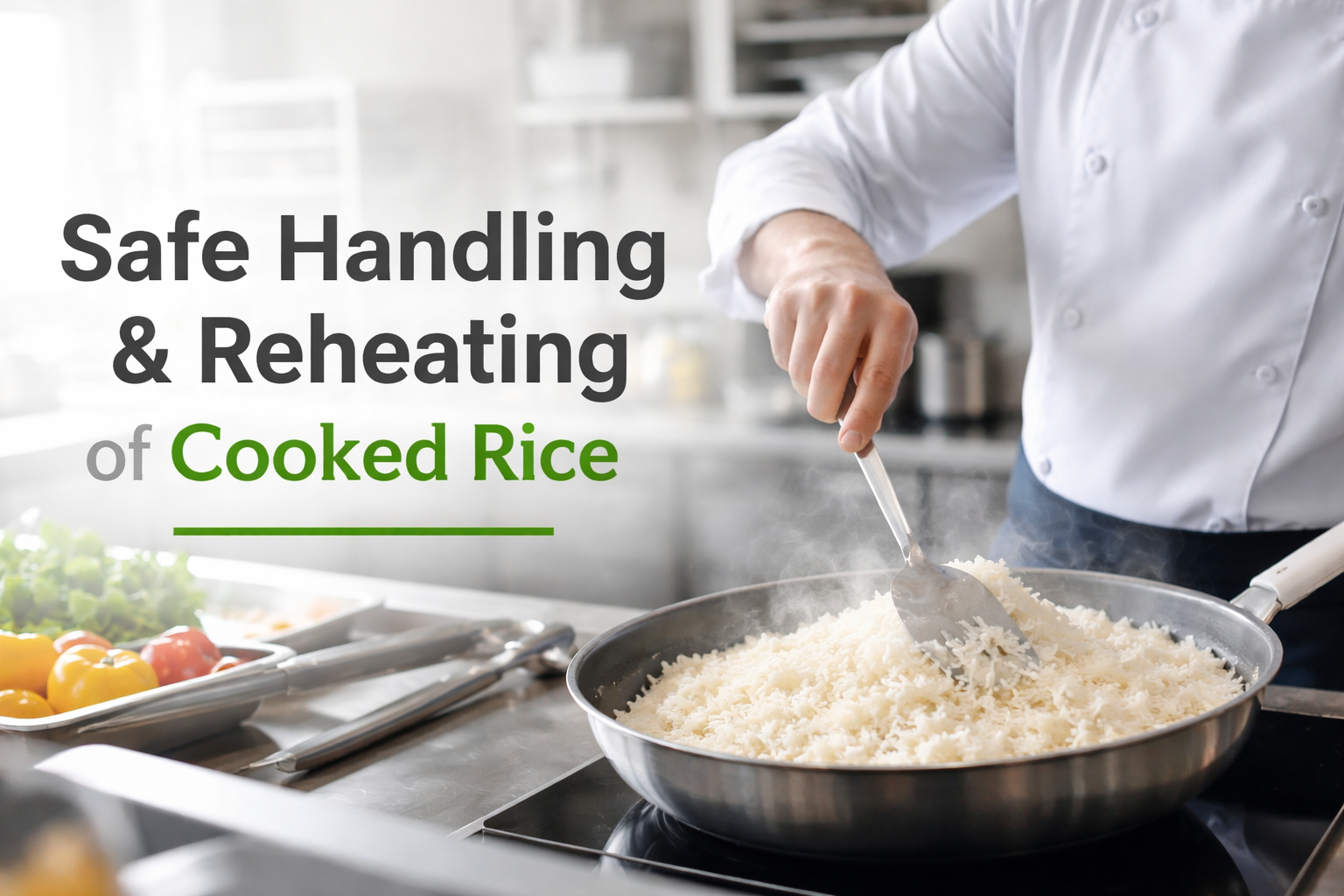
What are the risks with reheating cooked rice and how can you stay safe
If you handle food in any setting, rice is something you’ll come across. It’s used in cafés, restaurants, takeaways, food trucks and production kitchens. It’s simple to cook and easy to portion. But reheating cooked rice can carry serious food safety risks if it’s not handled correctly. Rice often catches people out because it looks…
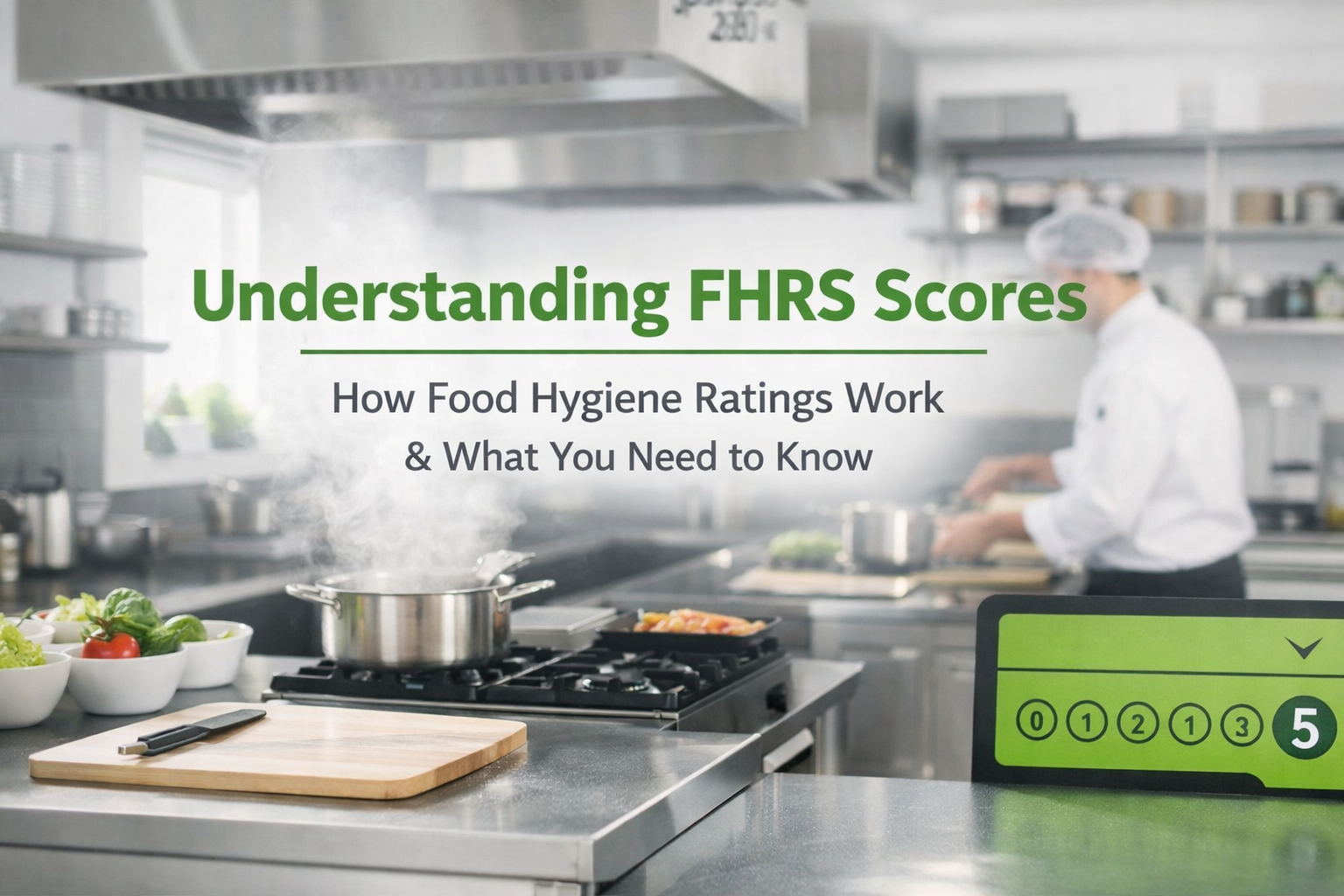
FHRS Scores Broken Down: What Affects Your Food Hygiene Rating
Running a food business in the UK means living with your food hygiene rating. Customers see it. Inspectors care about it. And it can feel confusing if you don’t know how the score is worked out. This guide breaks down how FHRS scores work, what inspectors look for and the common questions small food businesses…
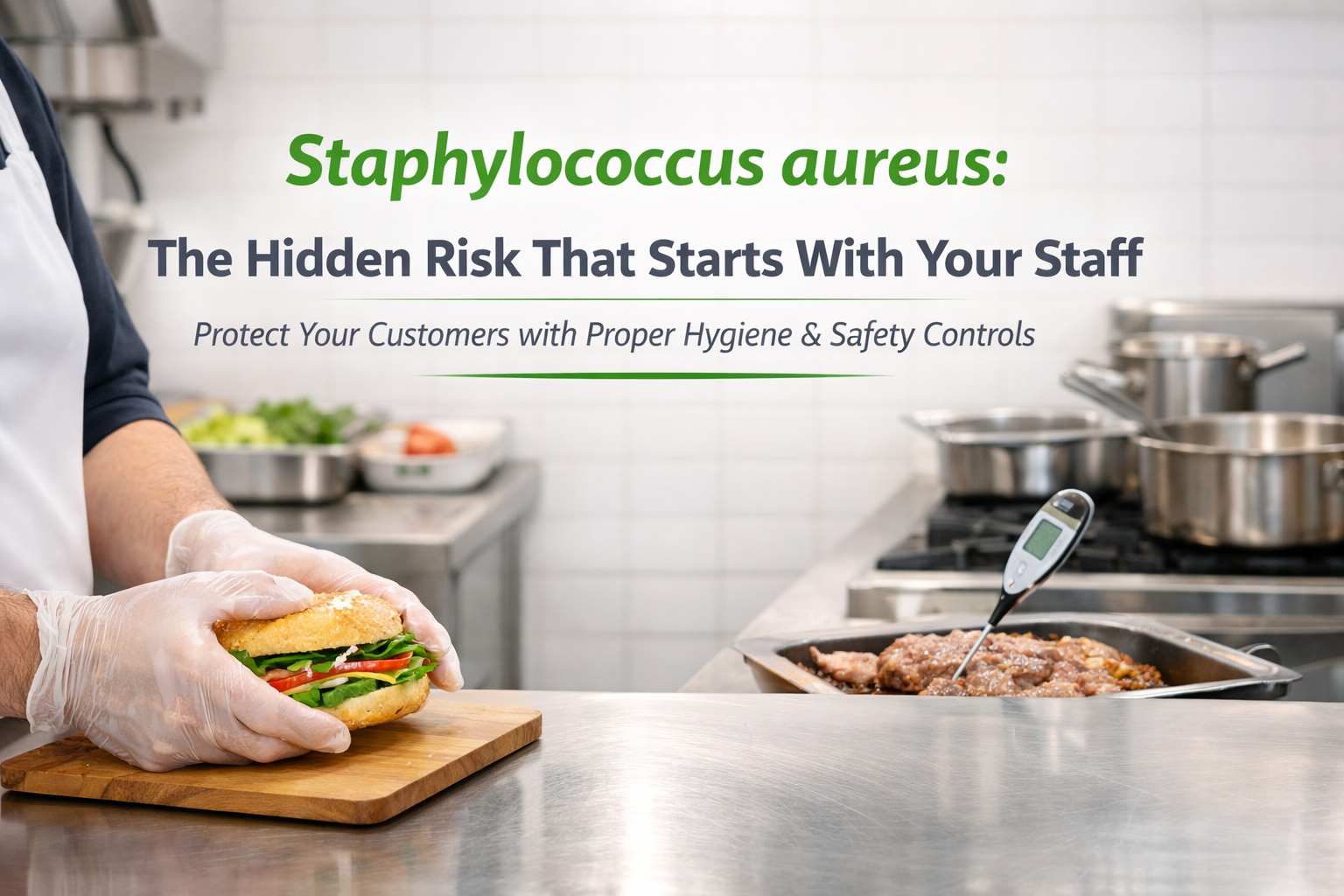
Staphylococcus Aureus: The Hidden Risk That Starts With Your Staff
Running a food business means you’re always juggling time, people and pressure. Most owners focus on cooking, cleaning and keeping customers happy. What often gets missed is the risk that comes from something very ordinary. People. One of the most common causes of food poisoning in UK catering starts with staff hygiene. It’s called Staphylococcus…