Category: Training & Staff Development
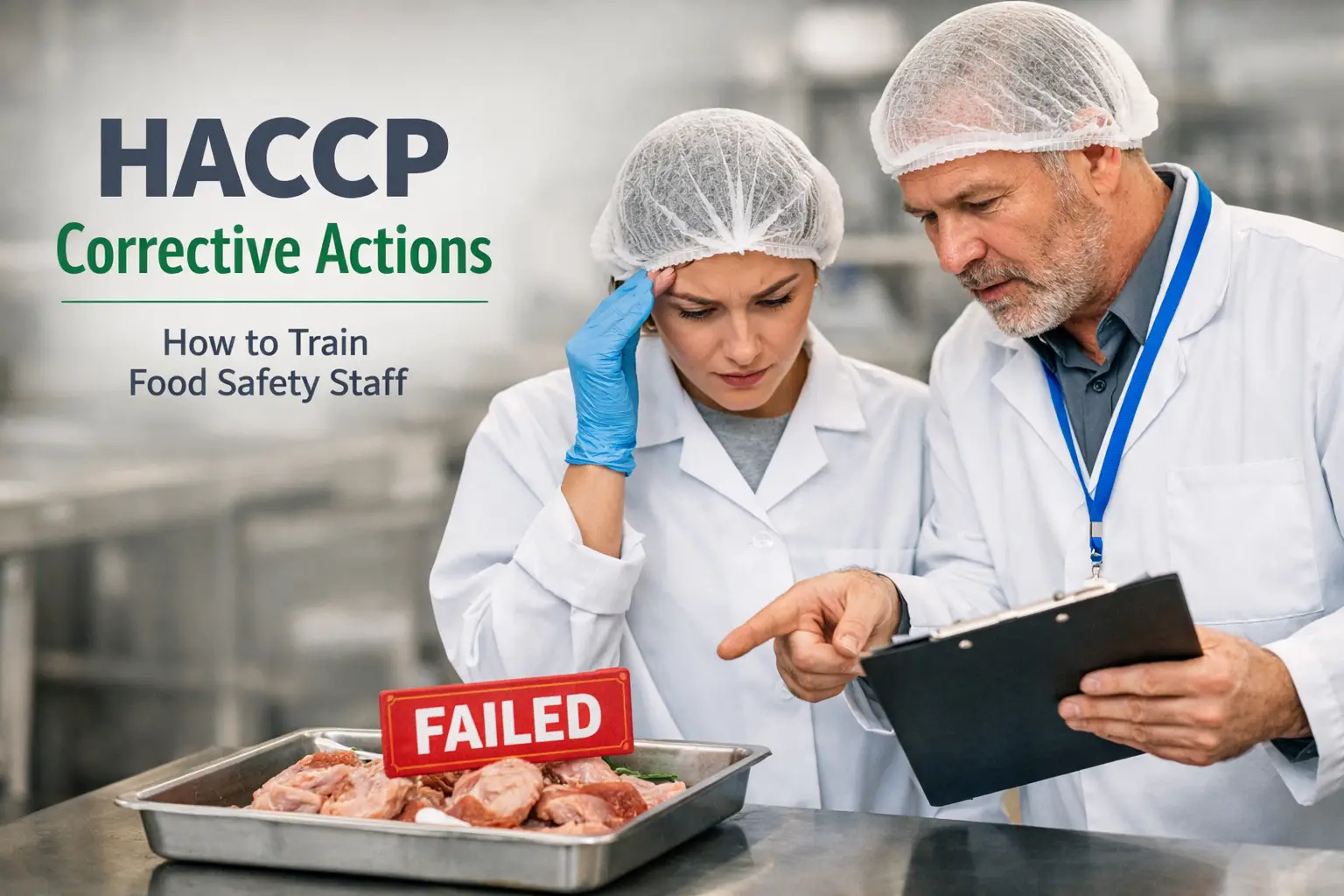
HACCP Corrective Actions: How to Train Food Safety Staff
This guide helps catering teams turn safety failures into time-stamped corrective actions linked to HACCP controls, with roles, records and escalation for repeat issues.
Level 2 Food Hygiene: Is It Enough or Do You Need Level 3?
Level 2 forms a foundation but does not cover site-specific tasks; map roles to duties, keep local induction records, and align training with inspections and HACCP.
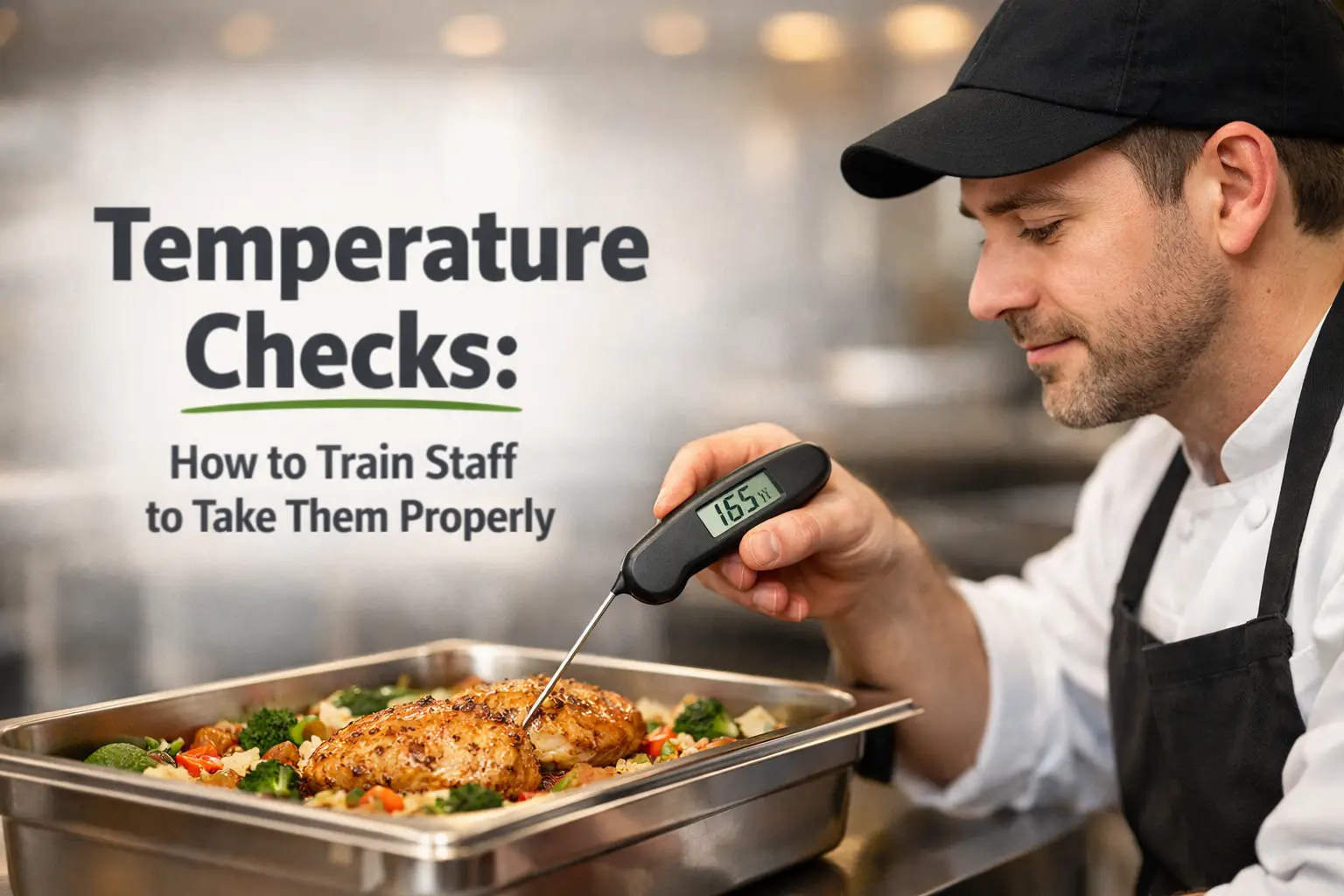
Temperature Checks: How to Train Staff to Take Them Properly
Practical guidance to train staff on accurate temperature checks, proper probe use, cleanings, and auditable recordings, with haccp-aligned, offline tools for audits.
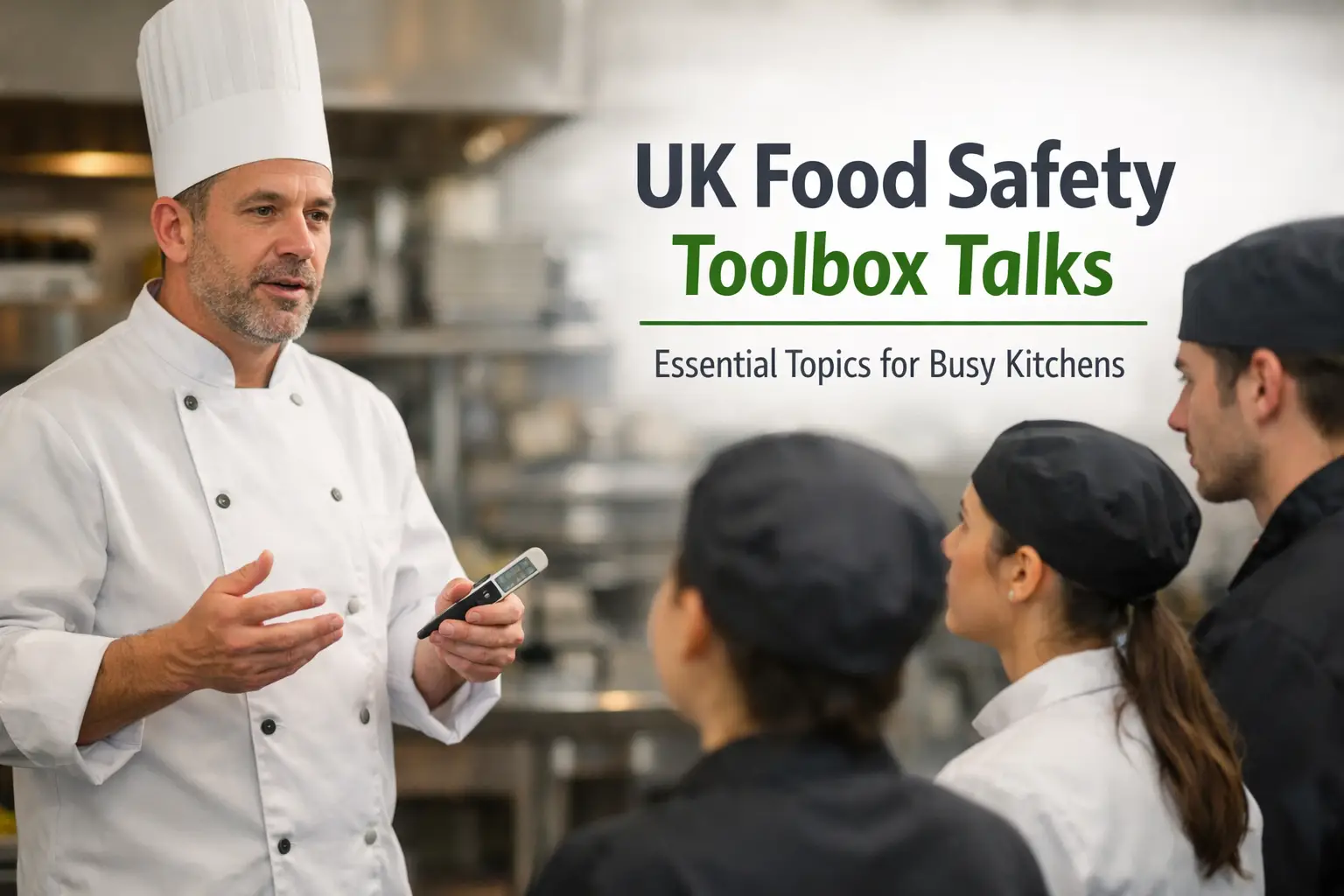
UK Food Safety Toolbox Talks: Essential Topics for Busy Kitchens
Short, regular toolbox talks boost food safety, staff awareness and inspection confidence in busy kitchens; record topics, attendees and actions for traceability.
How to Supervise Food Safety Without Micromanaging
Maintain high standards after training with daily supervision in a busy kitchen, using structured logs for temps, cleaning, allergens and deliveries with Food-Safety.app.
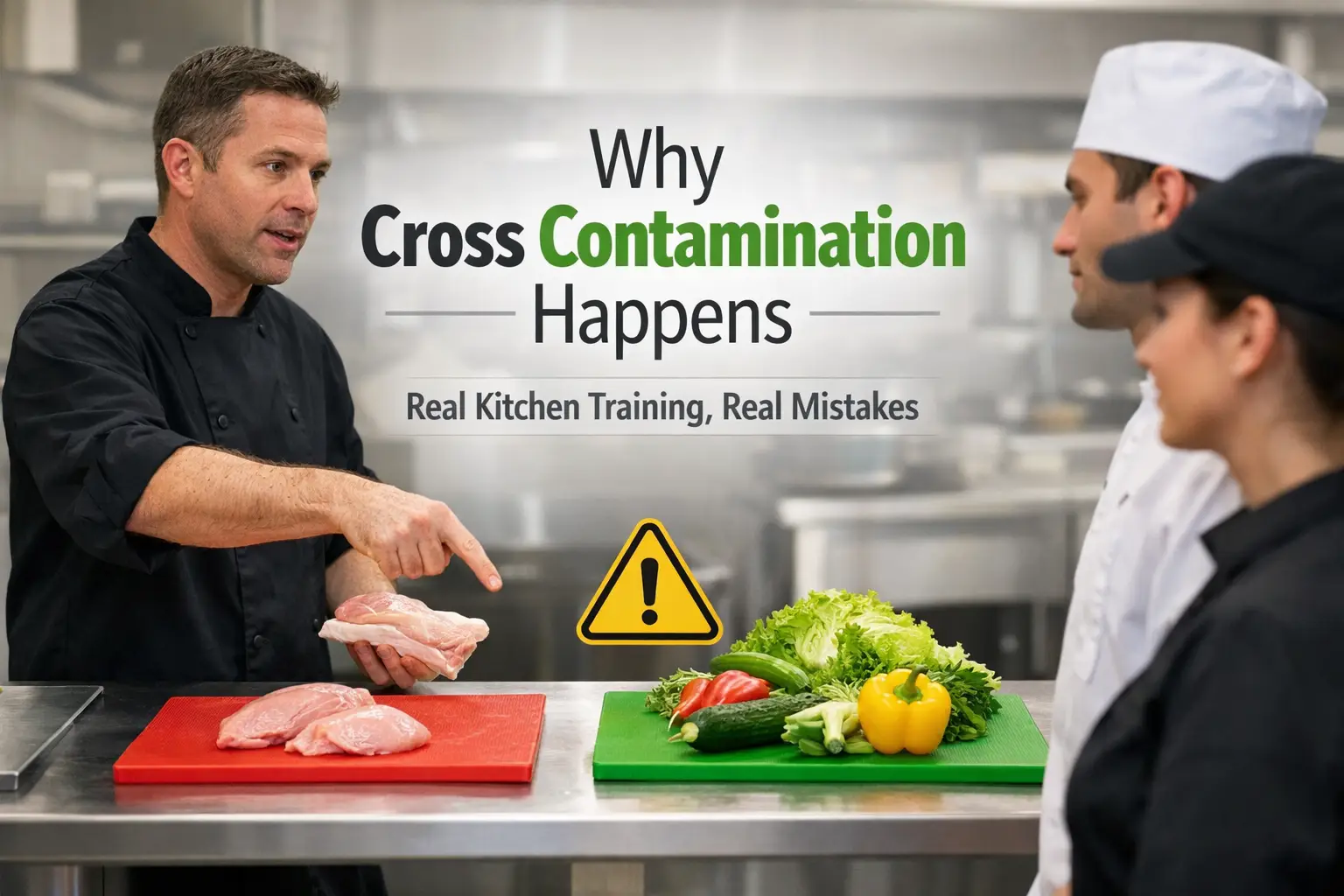
Cross Contamination Training That Staff Remember
Explore why cross contamination persists in busy kitchens and how practical retraining, clear zoning, and supervision cut risks, with food-safety.app records and audits.
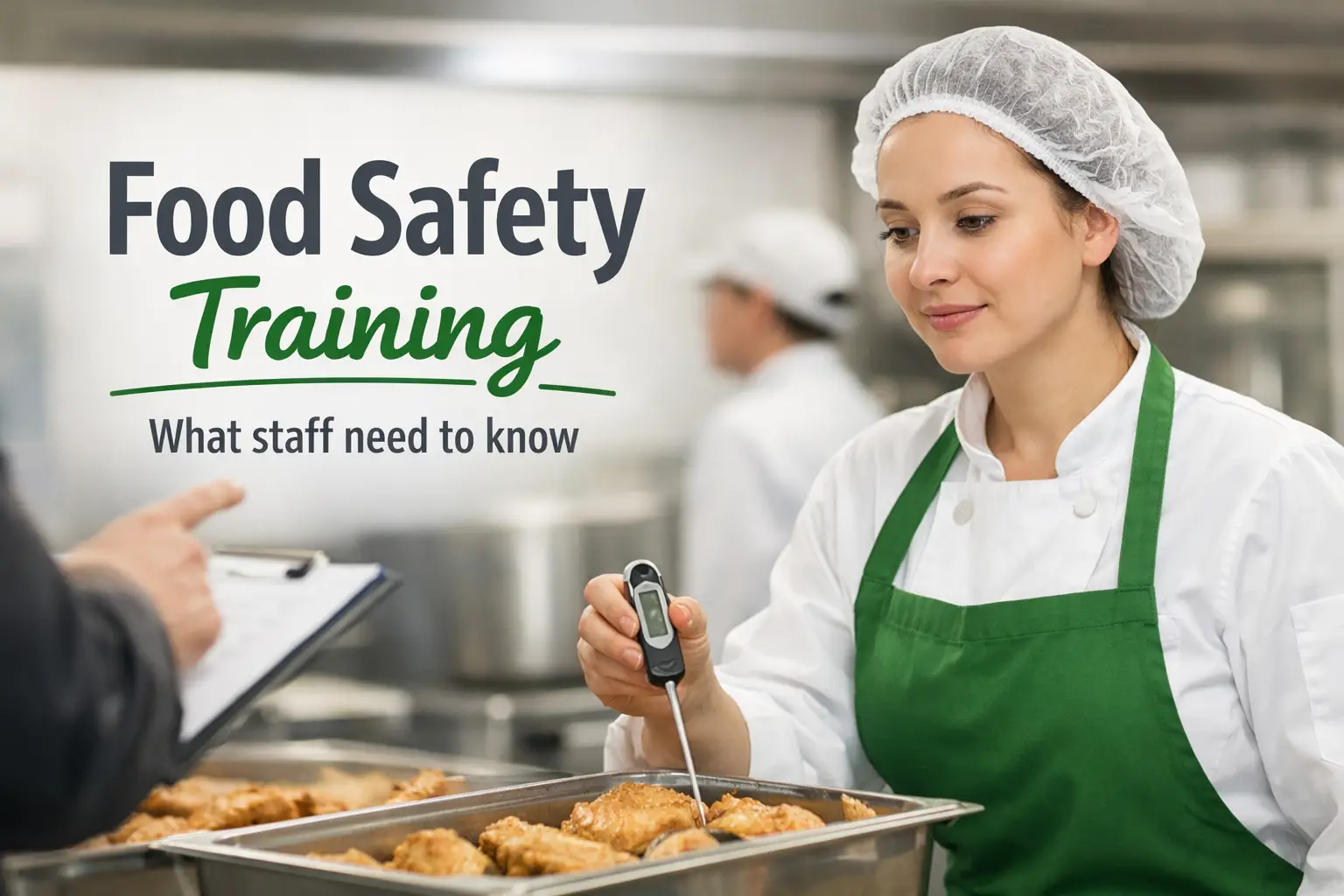
What food safety training do staff need in kitchens?
Understand the legal requirements for UK food safety training levels by role, refreshers and records to support safer service, compliance and team confidence in kitchens.
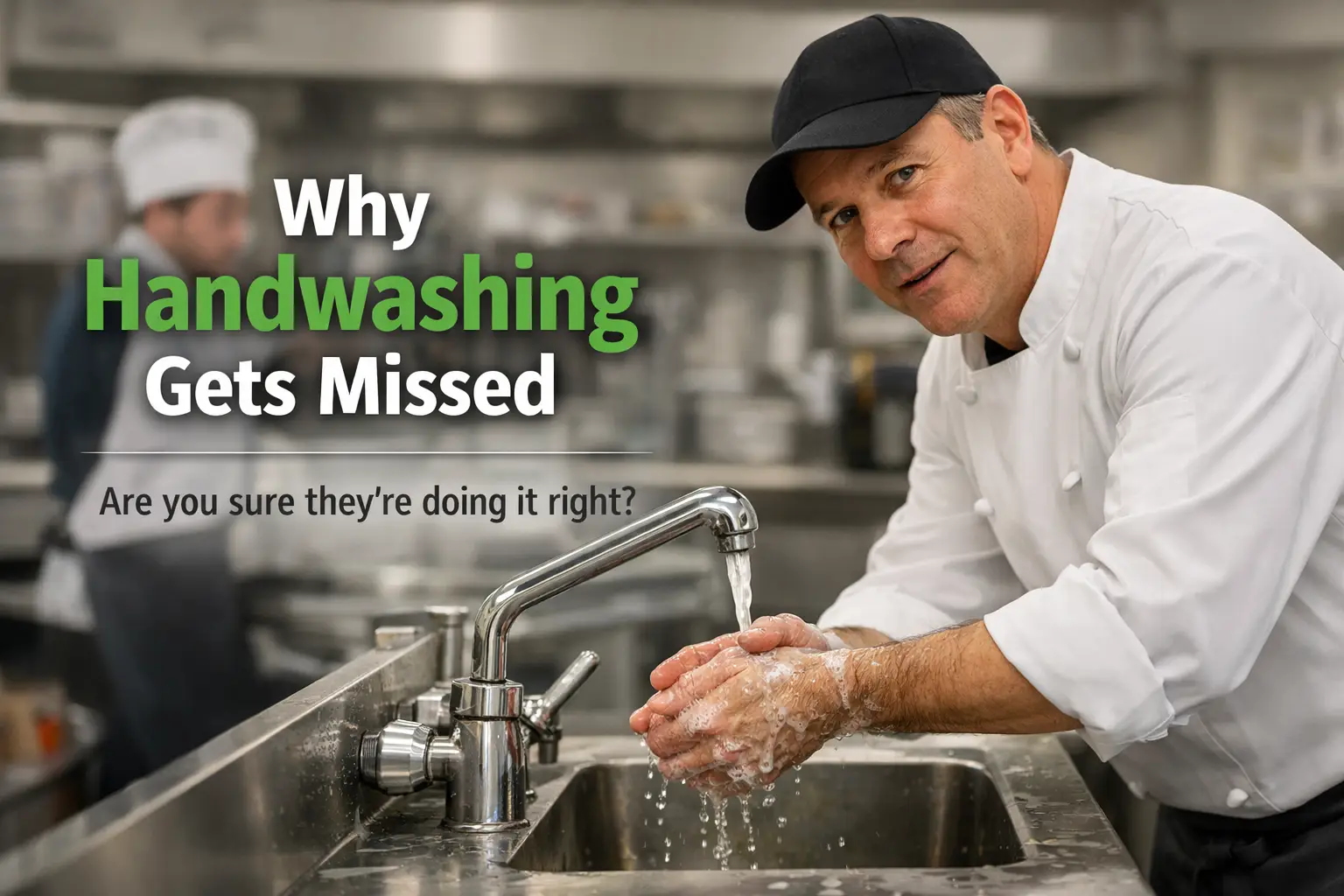
How to Train Staff on Proper Handwashing in Food Businesses
Discover how busy catering teams build reliable handwashing habits with quick checks, supervision and records, using Food-Safety.app to log opening checks and training.
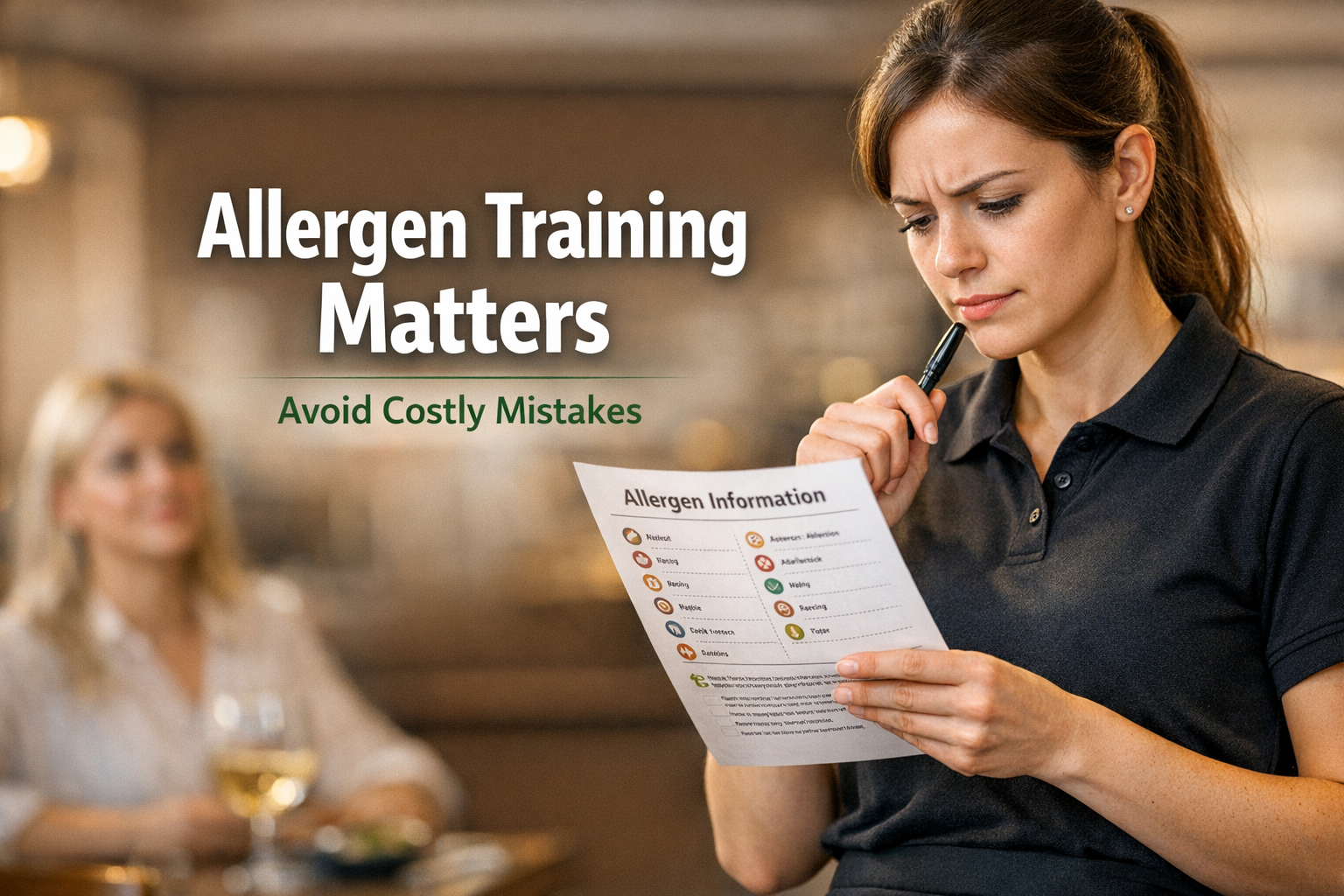
How to Train Staff on Allergen Control
Practical allergen training for kitchen and front-of-house teams to prevent mistakes, update recipes, stay inspection-ready, and keep clear records for day-to-day service