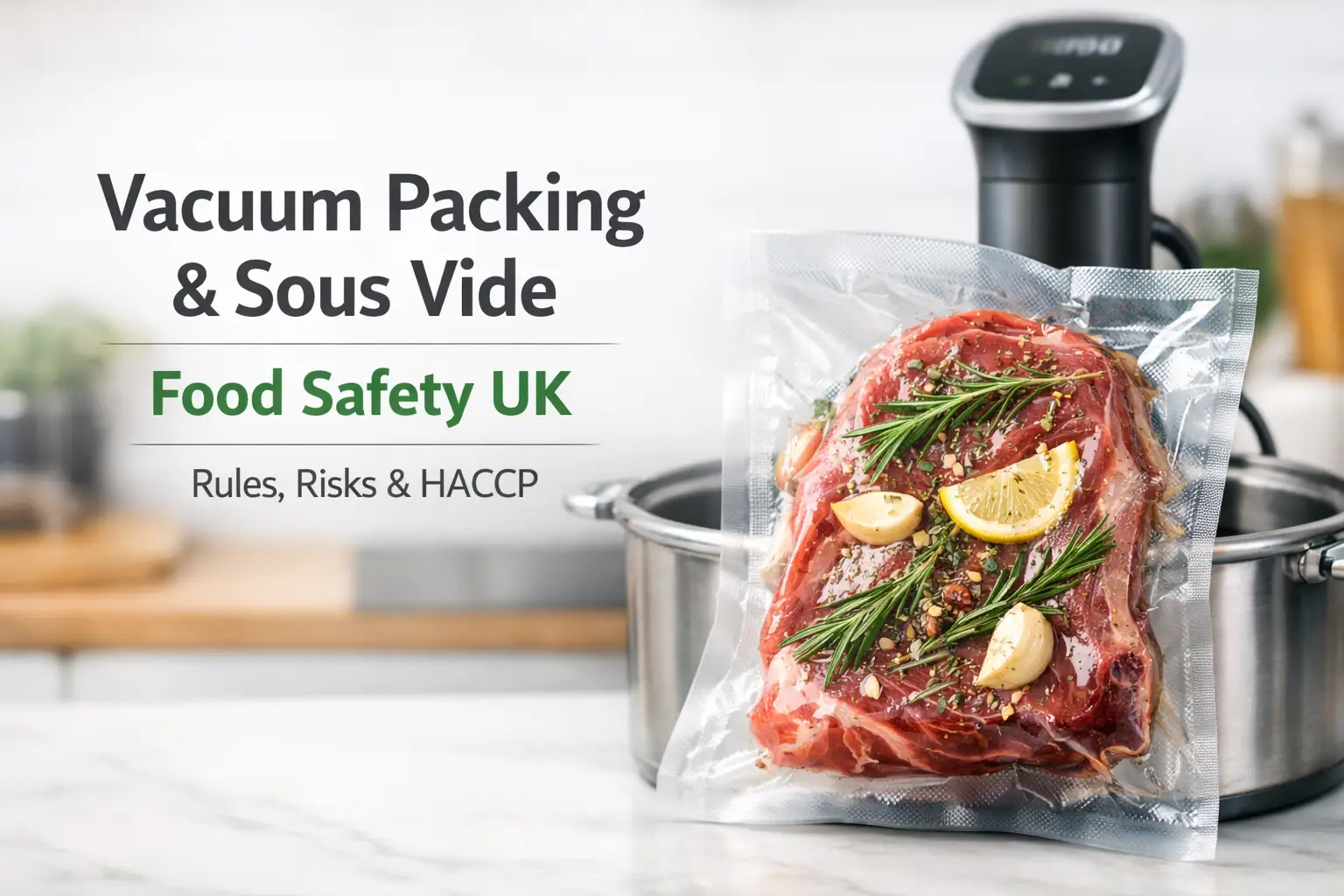
Vacuum Packing & Sous Vide Food Safety UK: Rules, Risks & HACCP
Understand vacuum packing and sous-vide risks in catering, from botulism to shelf life, with HACCP records, temperature controls, and inspection-ready traces for audits.
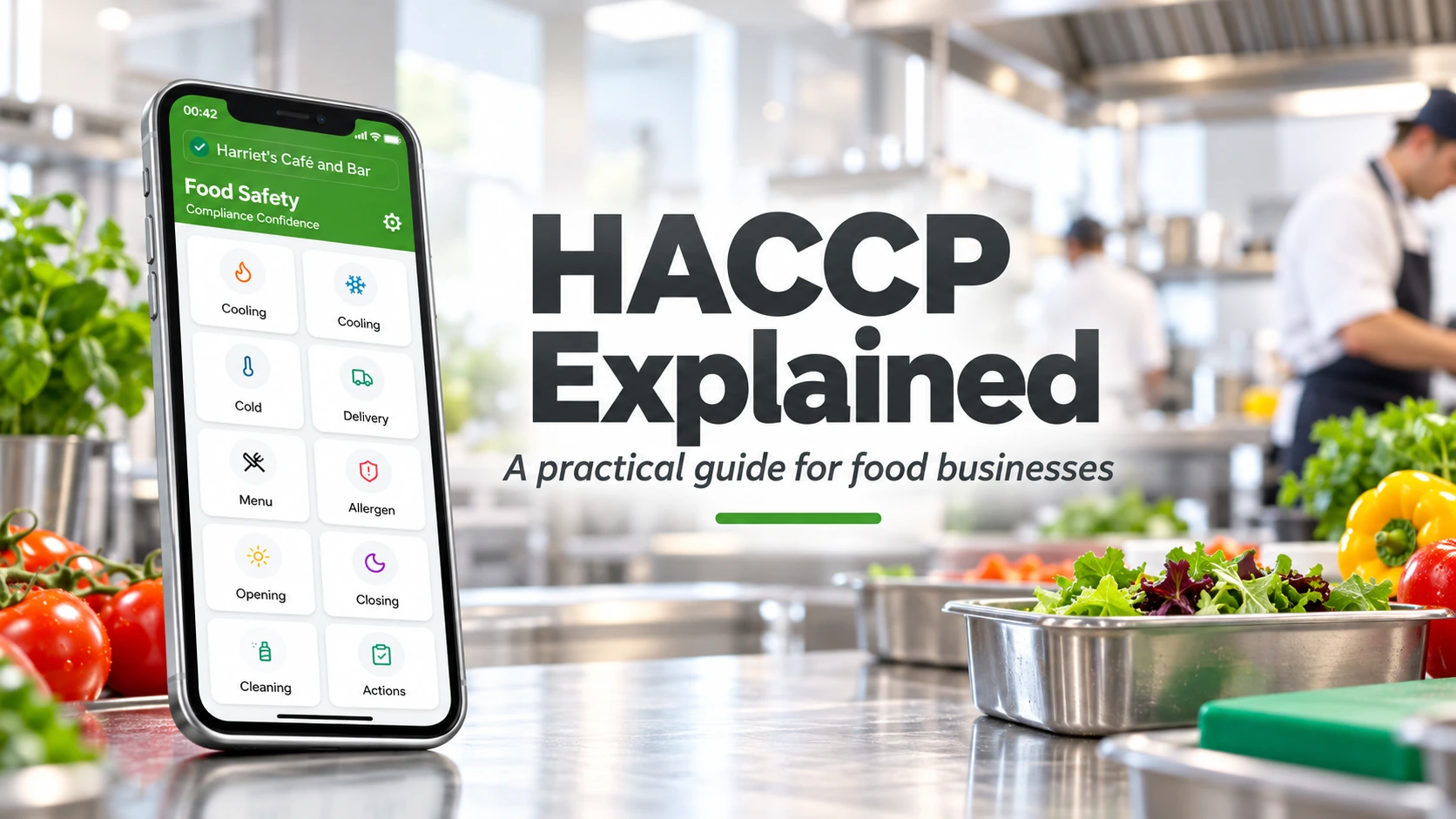
HACCP Explained: A Practical Guide and Questions Answered.
If you run a café, restaurant, takeaway, pub, bakery, catering business or another food operation, you’ll probably come across the term HACCP fairly quickly. It can sound technical, but the basic idea is straightforward. HACCP is about working out what could make food unsafe, deciding how…
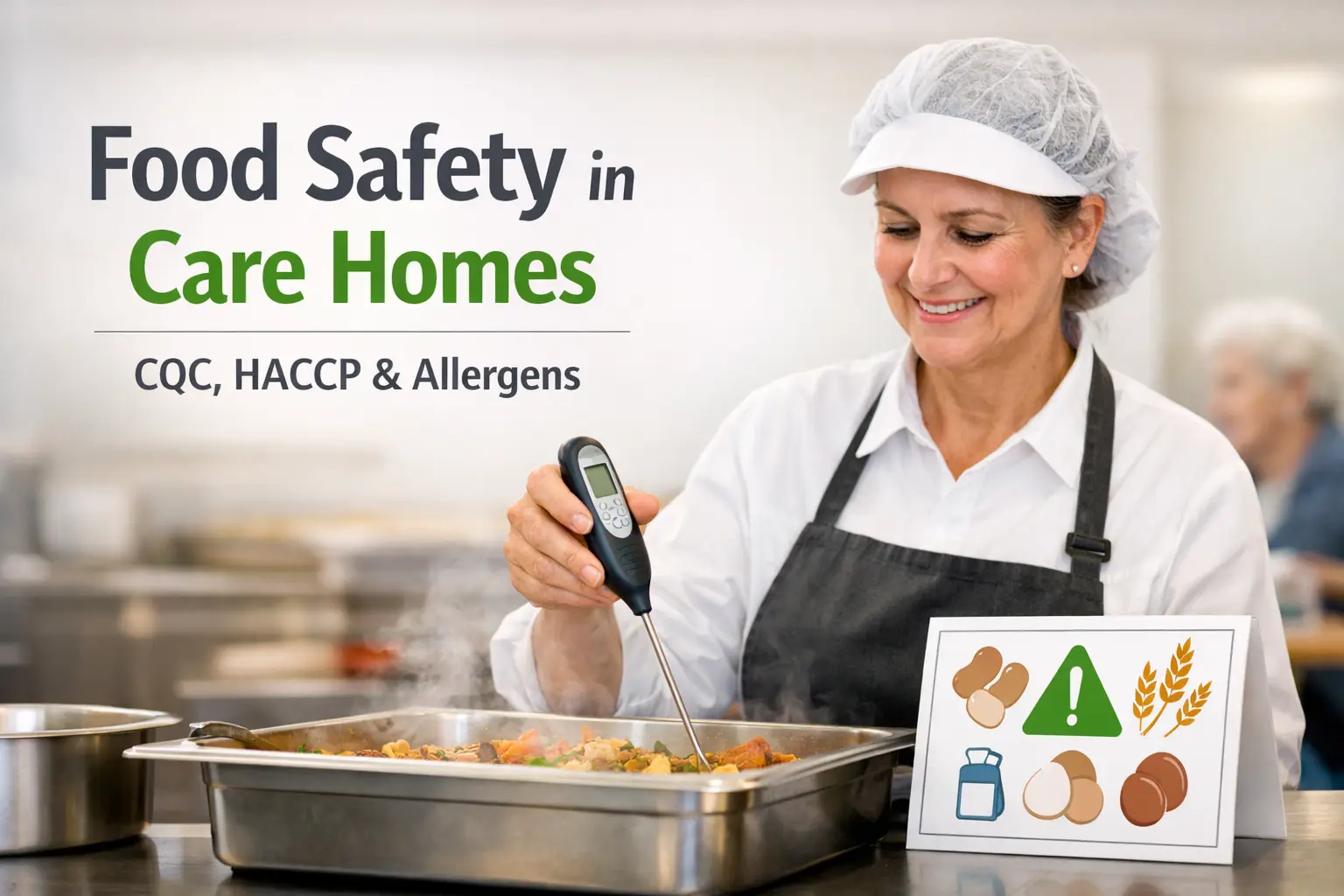
Food Safety in Care Homes: UK CQC Requirements, HACCP & Allergens
Guidance for care home teams on food safety duties, HACCP, allergens, IDDSI basics, chilled storage, and audit-ready records to support CQC compliance and safe meals.
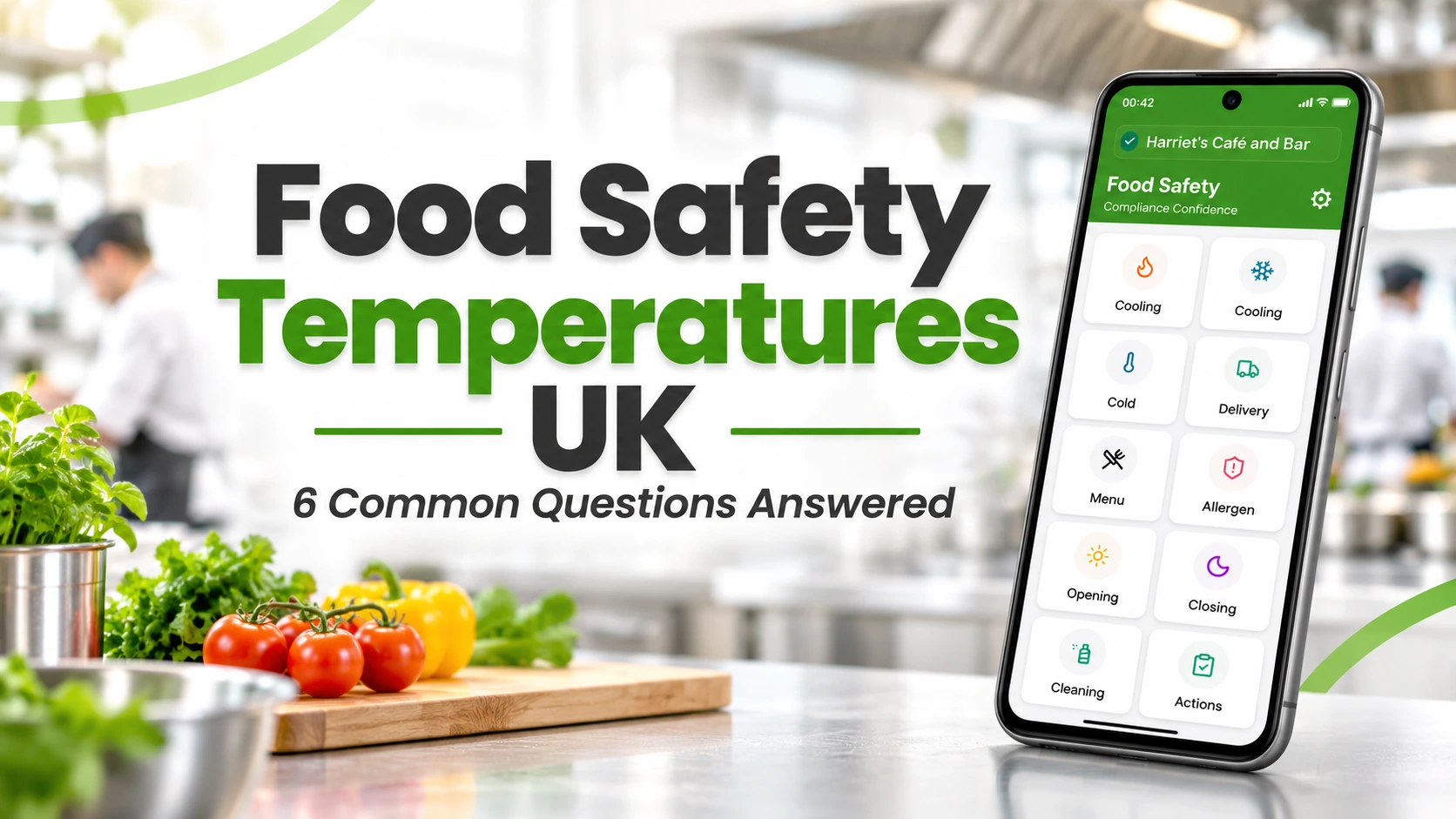
Food Safety Temperatures in the UK: 6 Common Questions Answered
Temperature control is one of the most important parts of food safety. Cooking, chilling, reheating and hot holding food at the correct temperatures helps control harmful bacteria and reduces the risk of food poisoning. For food businesses, temperature checks can also form an important part of…
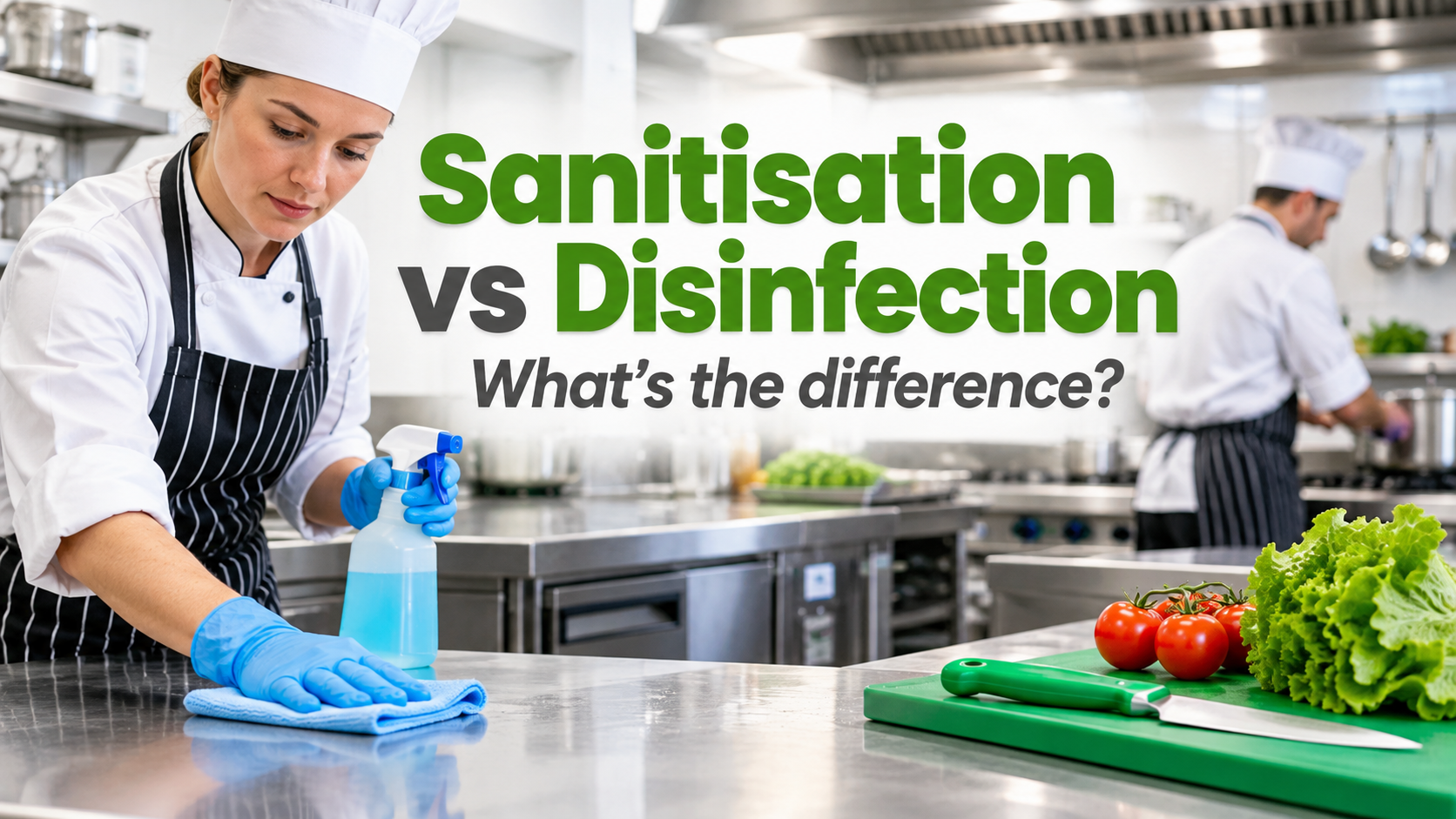
Sanitisation vs Disinfection: What’s the Difference in Food Safety?
Sanitisation and disinfection are often treated as though they mean the same thing. They don’t. For food businesses, cleaning teams and anyone responsible for hygiene, understanding the difference matters because each process has a different purpose. What is sanitisation? Sanitisation is the process of reducing microorganisms…
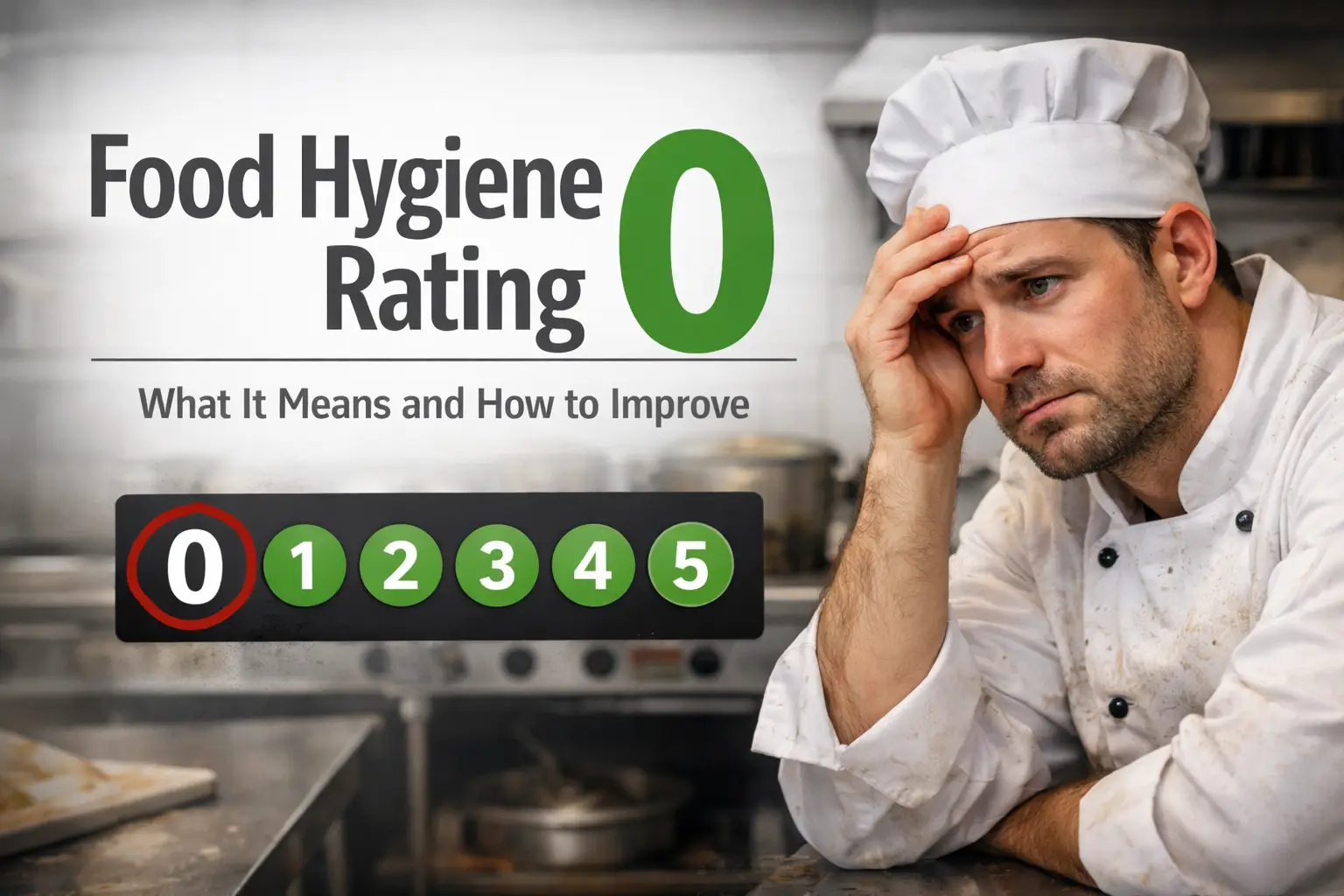
Food Hygiene Rating 0: What It Means and How to Improve
Understand what a food hygiene rating of 0 means, how it affects inspections and trading, and how to regain compliance with a clear recovery plan and timed actions.
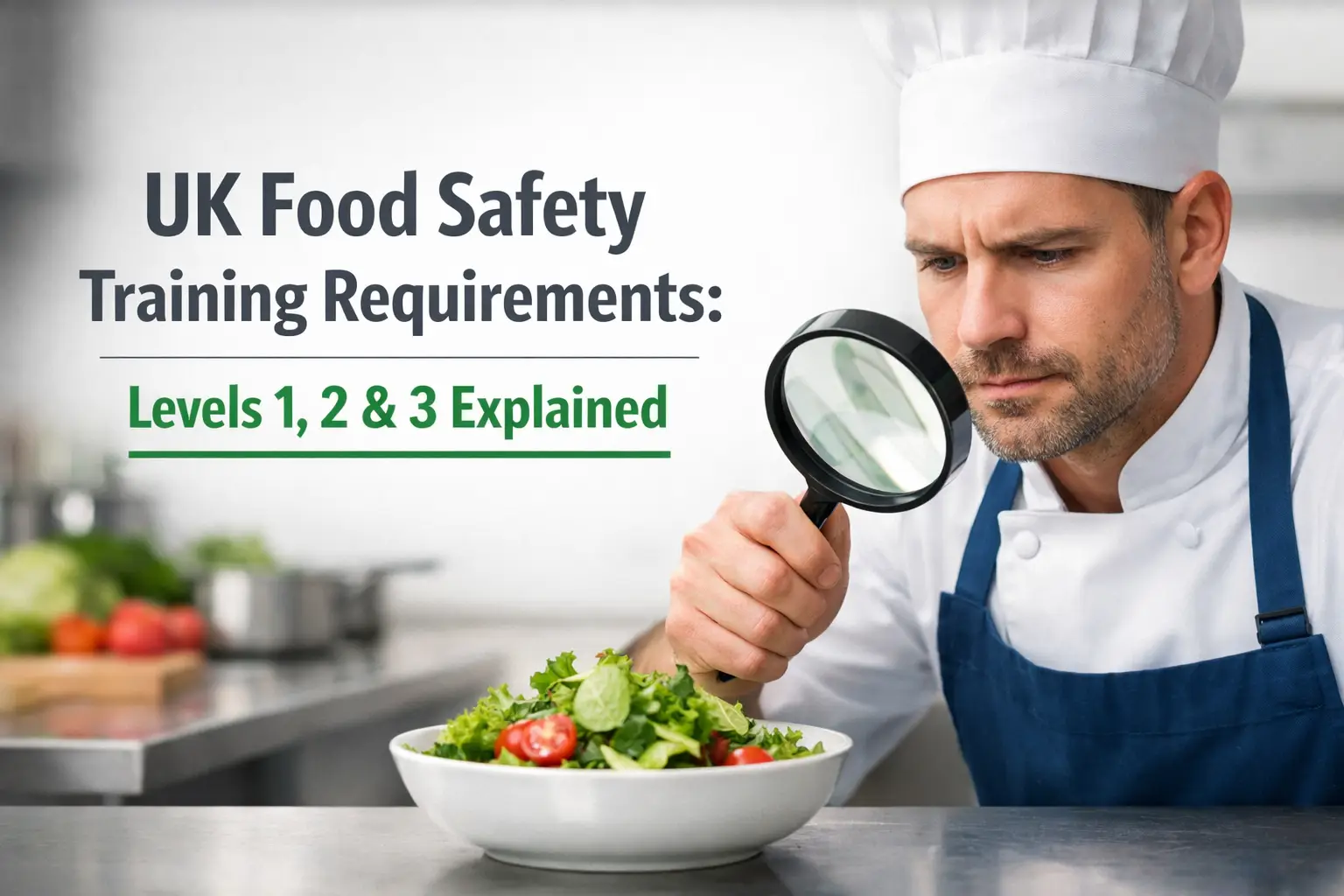
UK Food Safety Training Requirements: Levels 1, 2 & 3 Explained
Understand UK food safety training expectations: when level 1, 2 or 3 applies, what EHOs expect, and how to document evidence with a training matrix. It supports audits.

14 Allergens UK: The Complete List for Food Businesses
Understand the 14 regulated UK allergens, where they appear in kitchens, and how to manage labelling, cross-contact, and safer menu practice for compliant service.
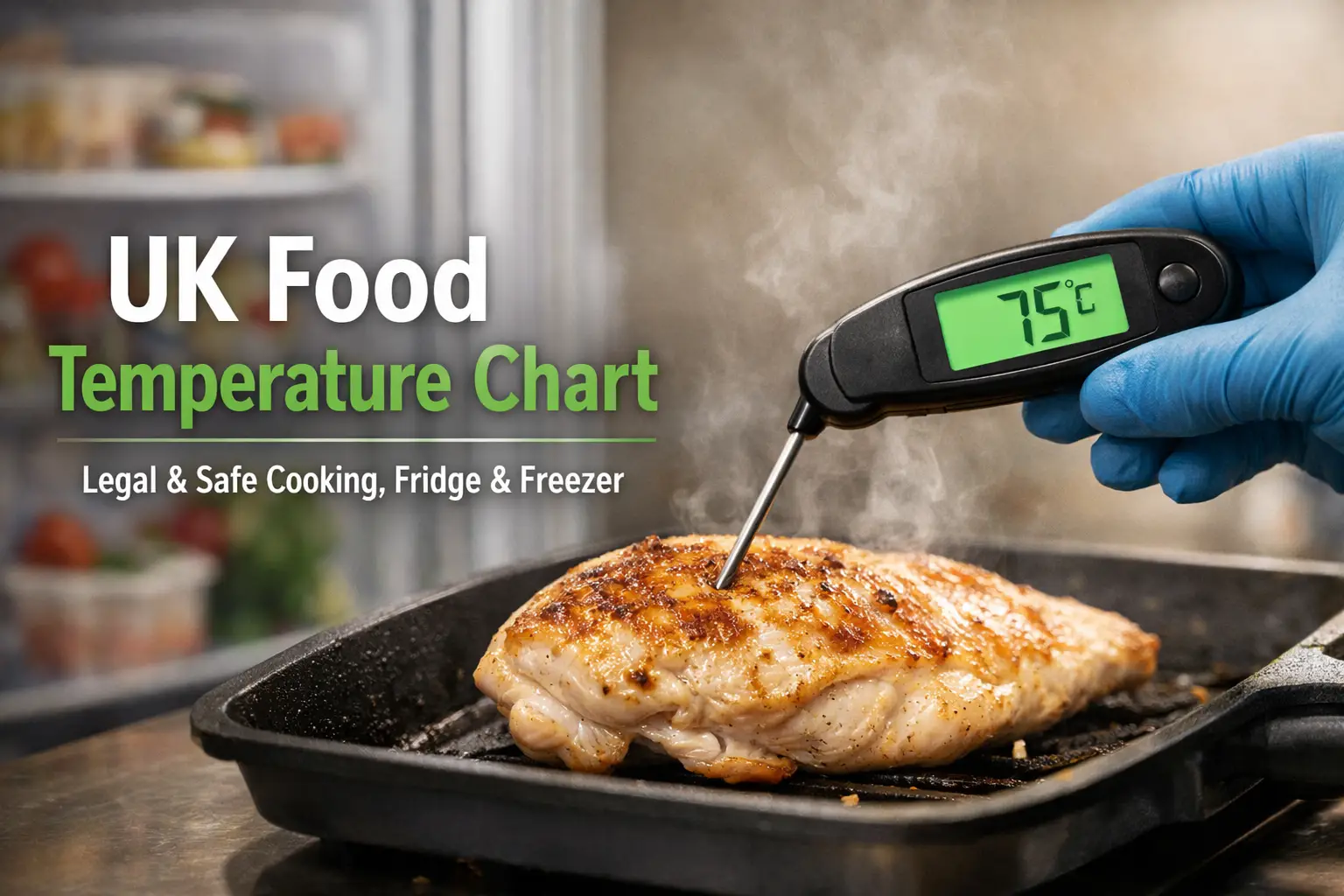
UK Food Temperature Chart: Legal & Safe Cooking, Fridge & Freezer
Practical UK kitchen temperature reference covering storage 0-5°C, freezing -18°C, cooking temps, reheating to 75°C, hot holding at 63°C, cooling and logs for FSA checks.