How do you build a food safety culture?
A clear food safety culture begins with leadership, habits, practical training and open communication to help you run a food business safely and consistently.
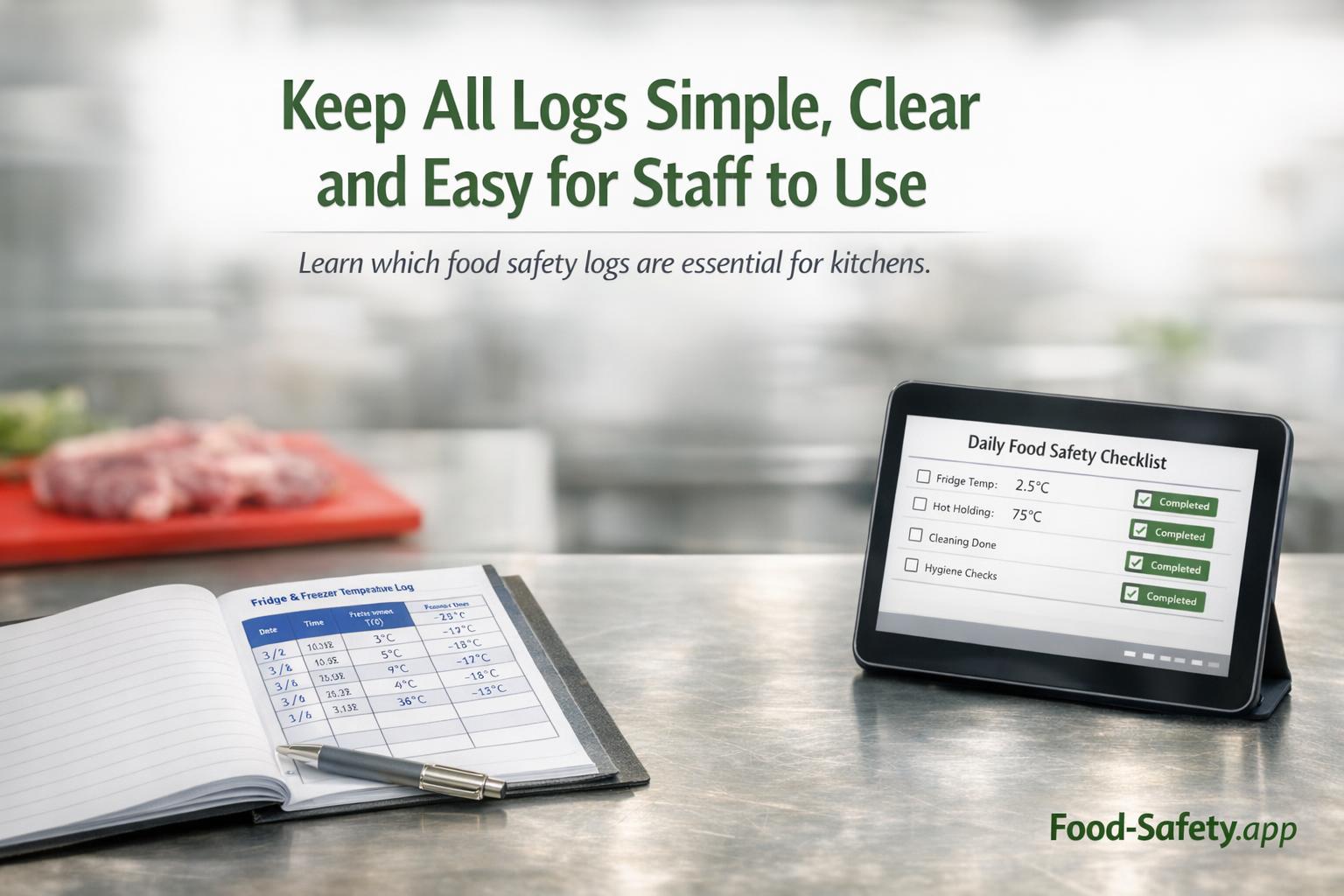
What food safety logs should every kitchen keep?
Food safety logs underpin traceability and compliance in kitchens, guiding paper and digital records from temperature charts to recalls and staff training, storage guidance included.
How do you stay compliant with HACCP requirements?
HACCP compliance in kitchens: a practical UK guide for content creators on HACCP & food safety systems, with daily checks, roles, monitoring and templates.
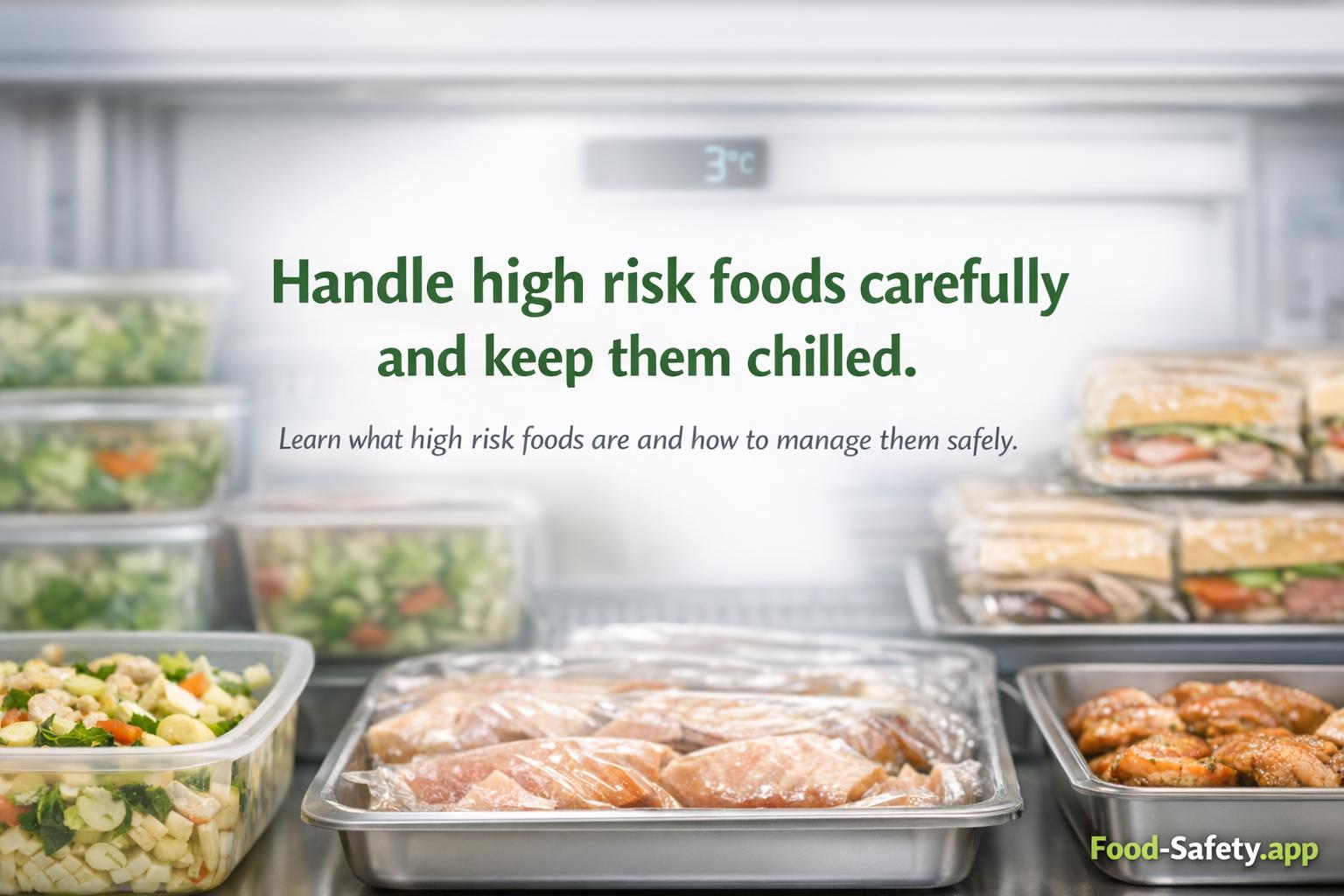
What are high risk foods in food safety?
What are high risk foods in food safety, with definition, common examples and risks, plus storage, handling and controls for uk kitchens and food businesses.
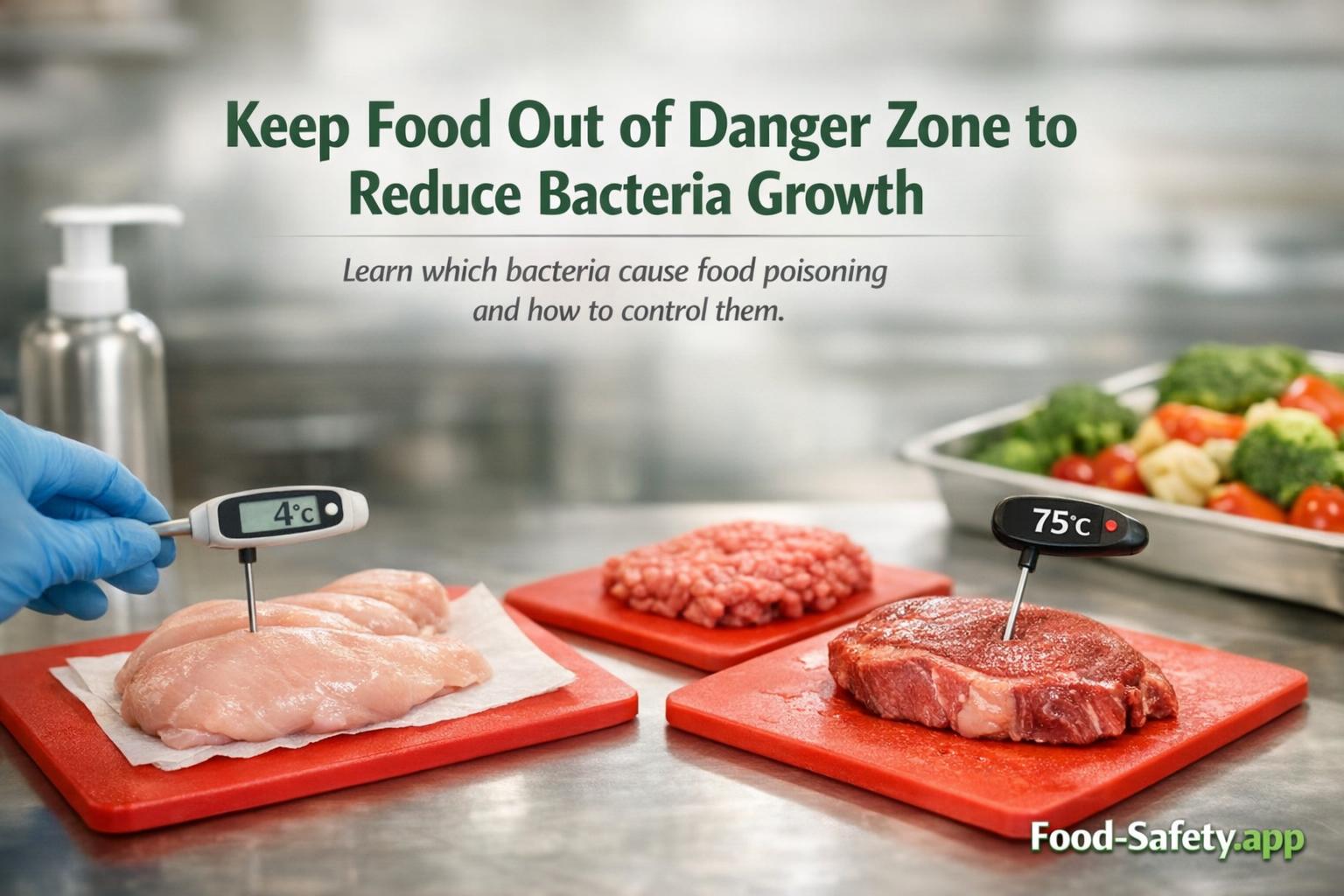
What bacteria cause food poisoning in kitchens?
A practical guide for content creators on which bacteria cause food poisoning and how to prevent it, with clear tips on cross-contamination, hygiene and storage
Why is personal hygiene important in food safety?
Understand why personal hygiene matters in food safety and compliance, with tips on handwashing, protective equipment, and kitchen actions you can apply.
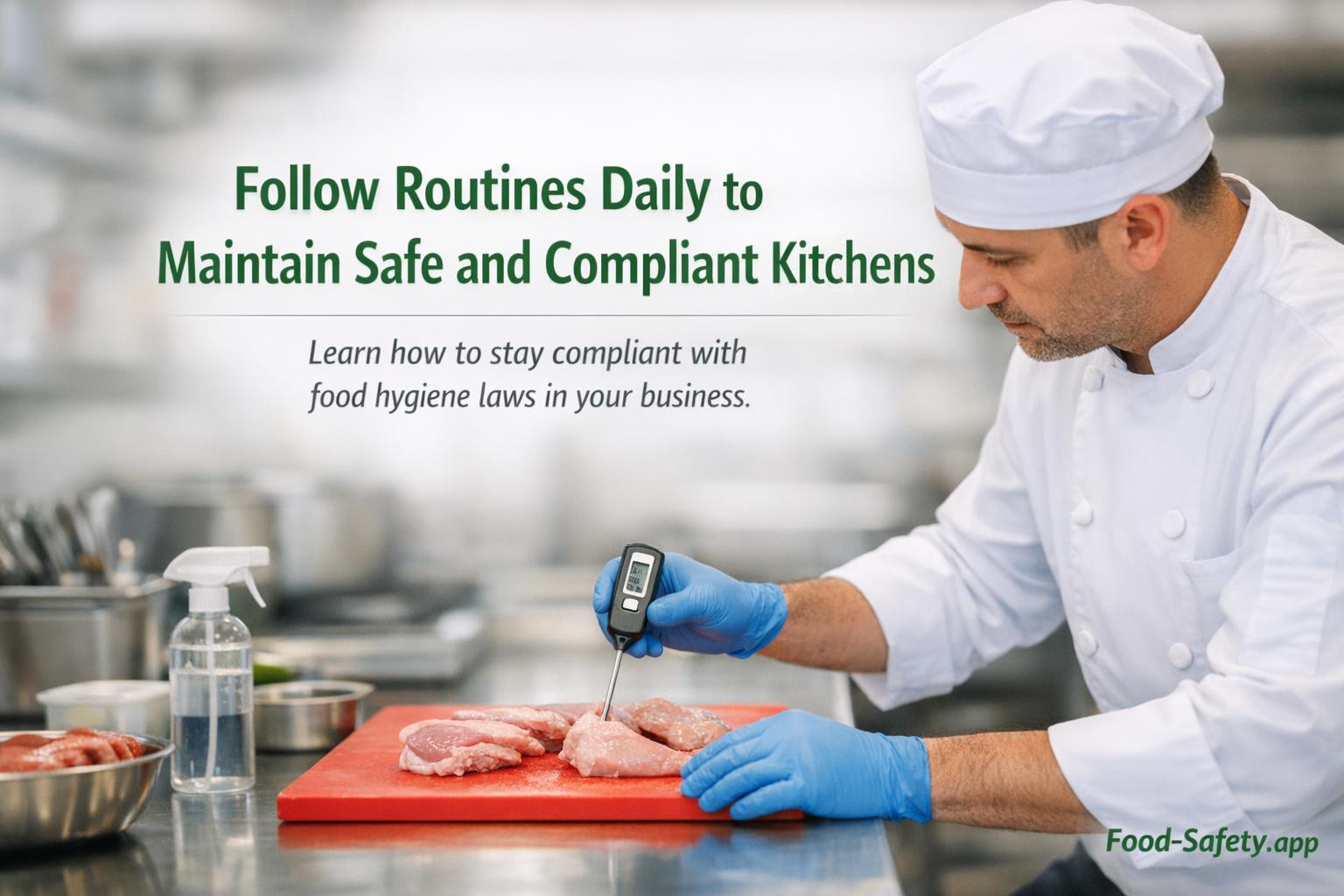
How do you stay compliant with food hygiene laws?
A practical guide to staying compliant with food hygiene laws for your business, referencing FSA guidance, daily habits, SOPs, checks and continual improvement.
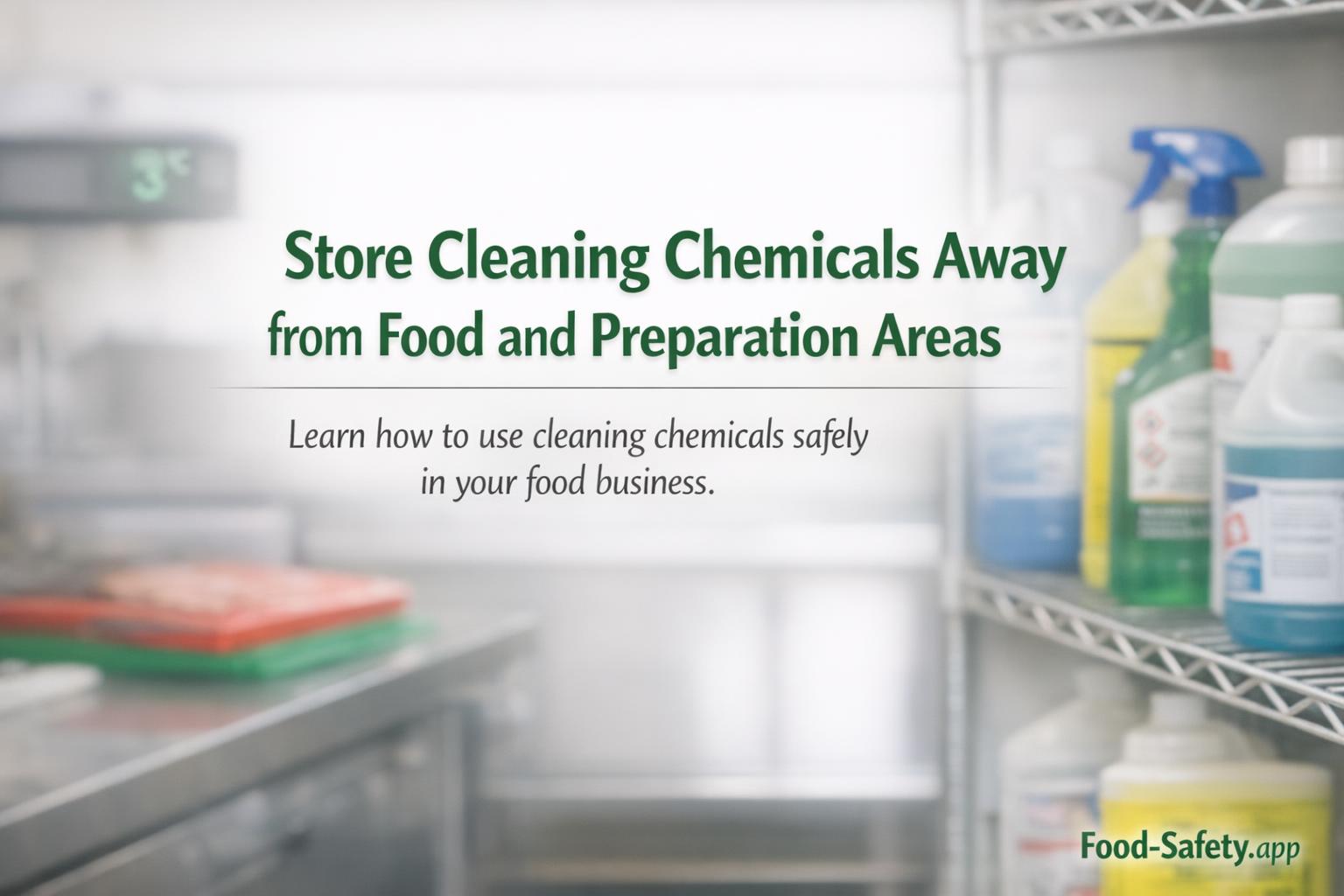
How should cleaning chemicals be used safely?
Guidance on safe cleaning chemical use in UK food businesses, covering dilution, PPE, ventilation, COSHH, storage, training and cross-contamination prevention.
Why is allergen training important for staff?
Allergen management: allergen training helps staff recognise risks, communicate clearly with customers, comply with regulations, and deliver safer service.