HACCP Flowcharts Explained: What They Are, Why They Matter and How to Create Them
HACCP can sound technical, but at its heart it is simply a structured way of understanding how food moves through your business, where food safety problems could occur and what controls are needed to prevent them. HACCP flowcharts make that process much easier to see. This…
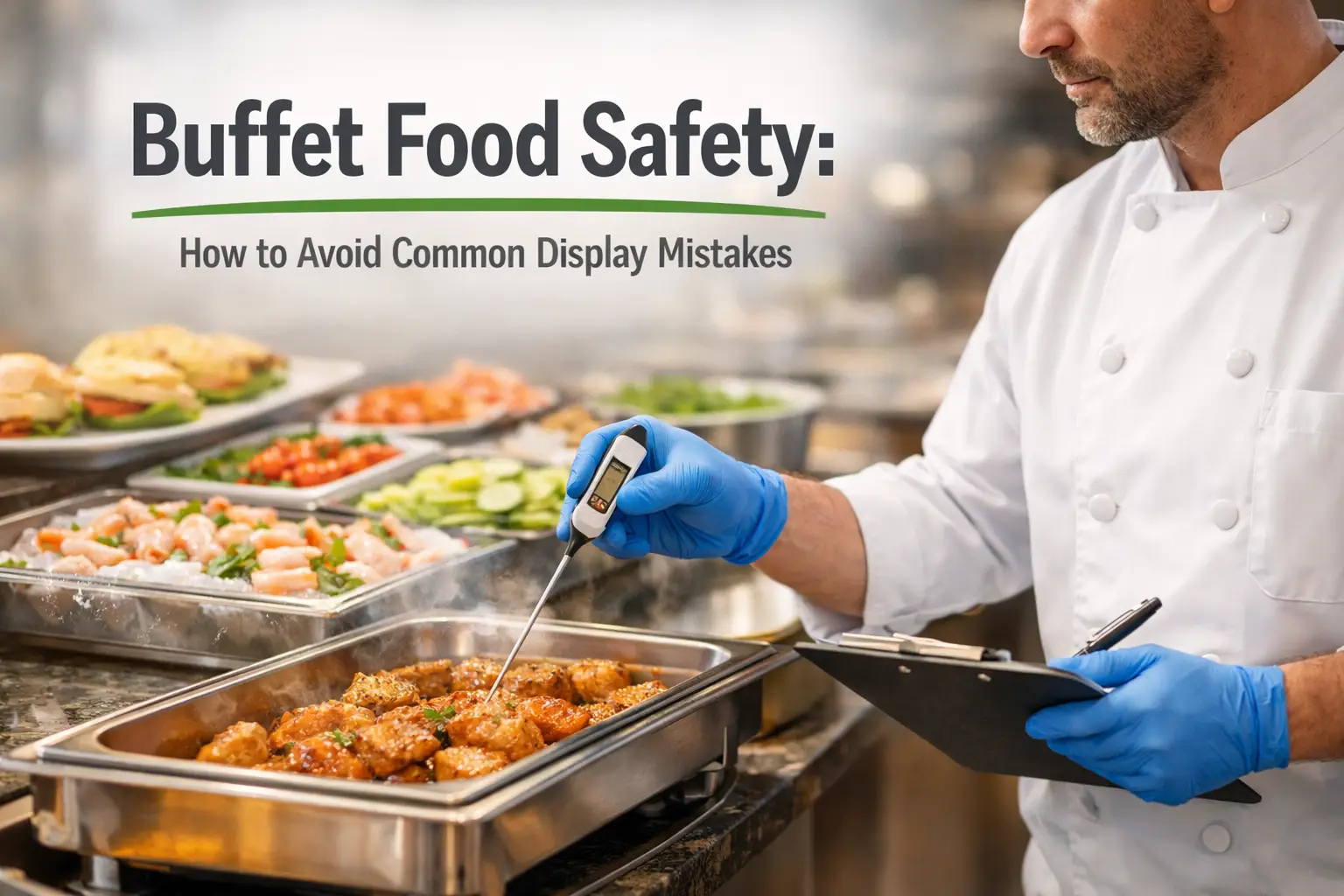
Buffet Food Safety: How to Avoid Common Display Mistakes
Discover how to keep buffet and display foods safe through temperature control, careful topping up, and staff checks, with simple records for compliance and confidence.
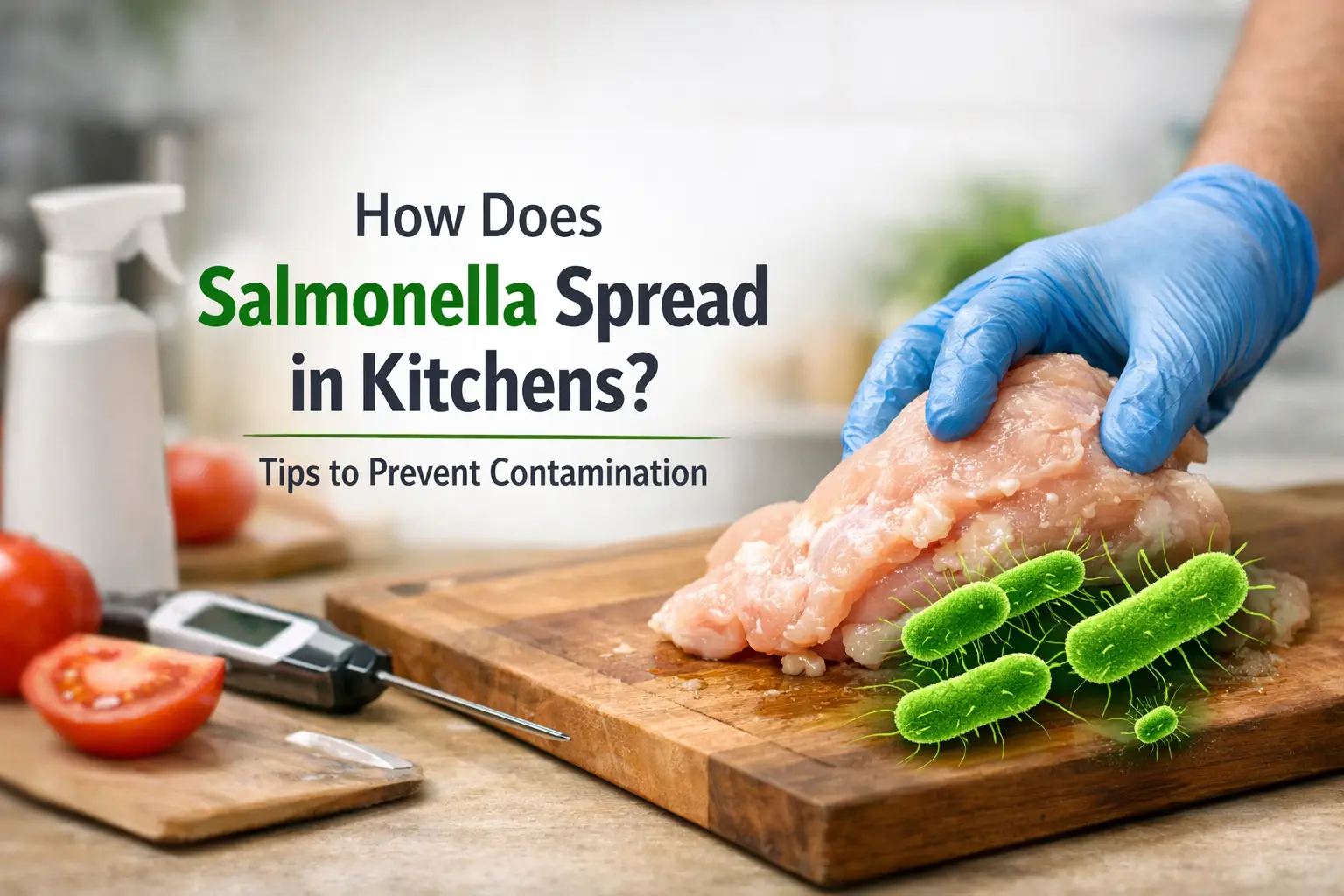
How Does Salmonella Spread in Kitchens and How to Prevent It
How salmonella spreads in catering kitchens, common contamination routes, and practical controls to reduce risk and support HACCP compliance in food businesses.
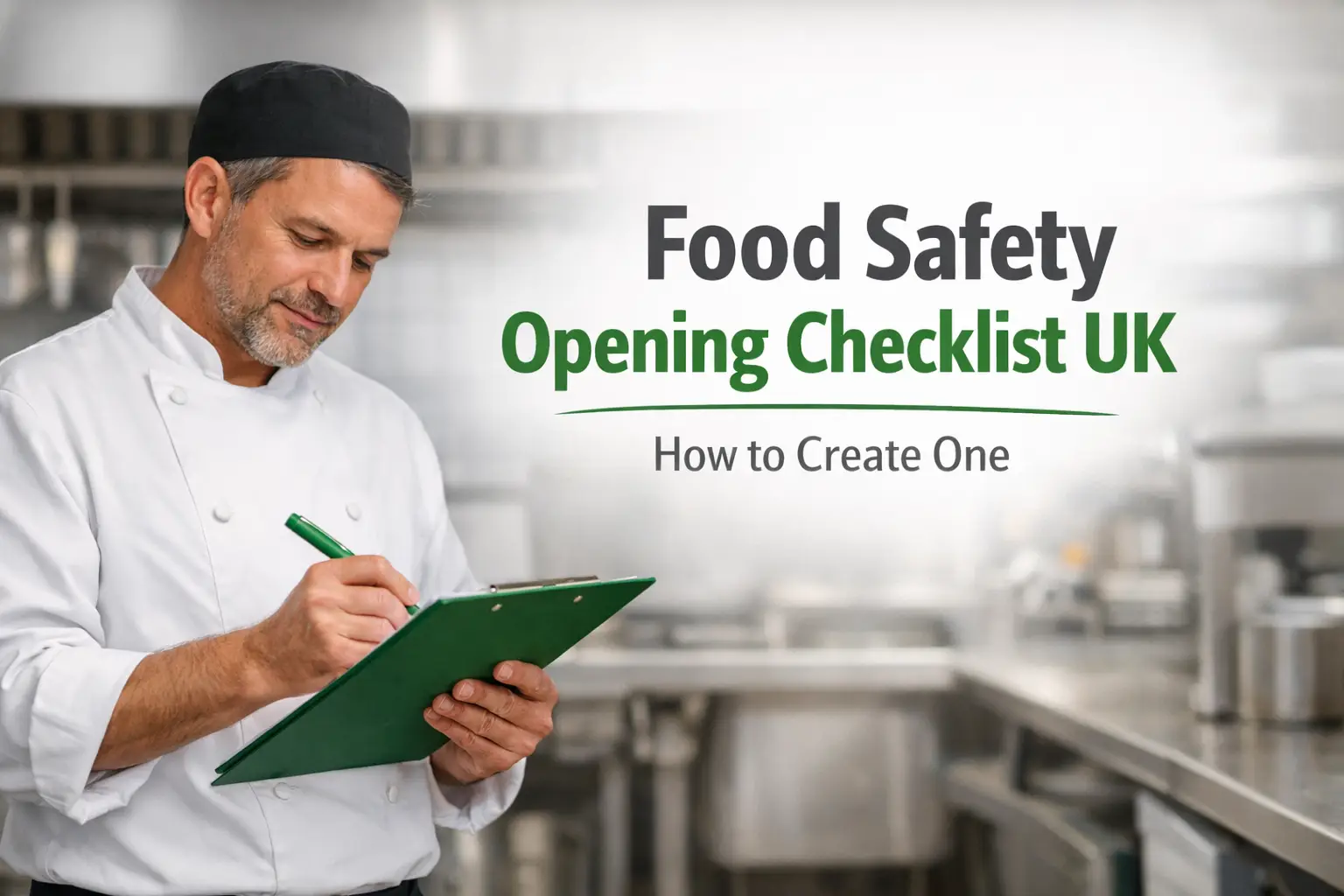
Food Safety Opening Checklist UK: How to Create One
Discover a simple, reliable opening check for busy kitchens that safeguards food safety, records daily controls, and supports inspection readiness. It records results.
Food Hygiene Revisit: How to Prepare After a Bad Inspection
Practical guidance for food business owners, chefs and supervisors to interpret inspection reports, prioritise fixes, build evidence, train teams and stay audit ready.
Sanitiser Not Working? Causes and Fixes for Commercial Kitchens
Discover why sanitiser fails in real kitchens, spot common cleaning mistakes and see how checks, training and records boost confidence at inspections with Food-Safety.app
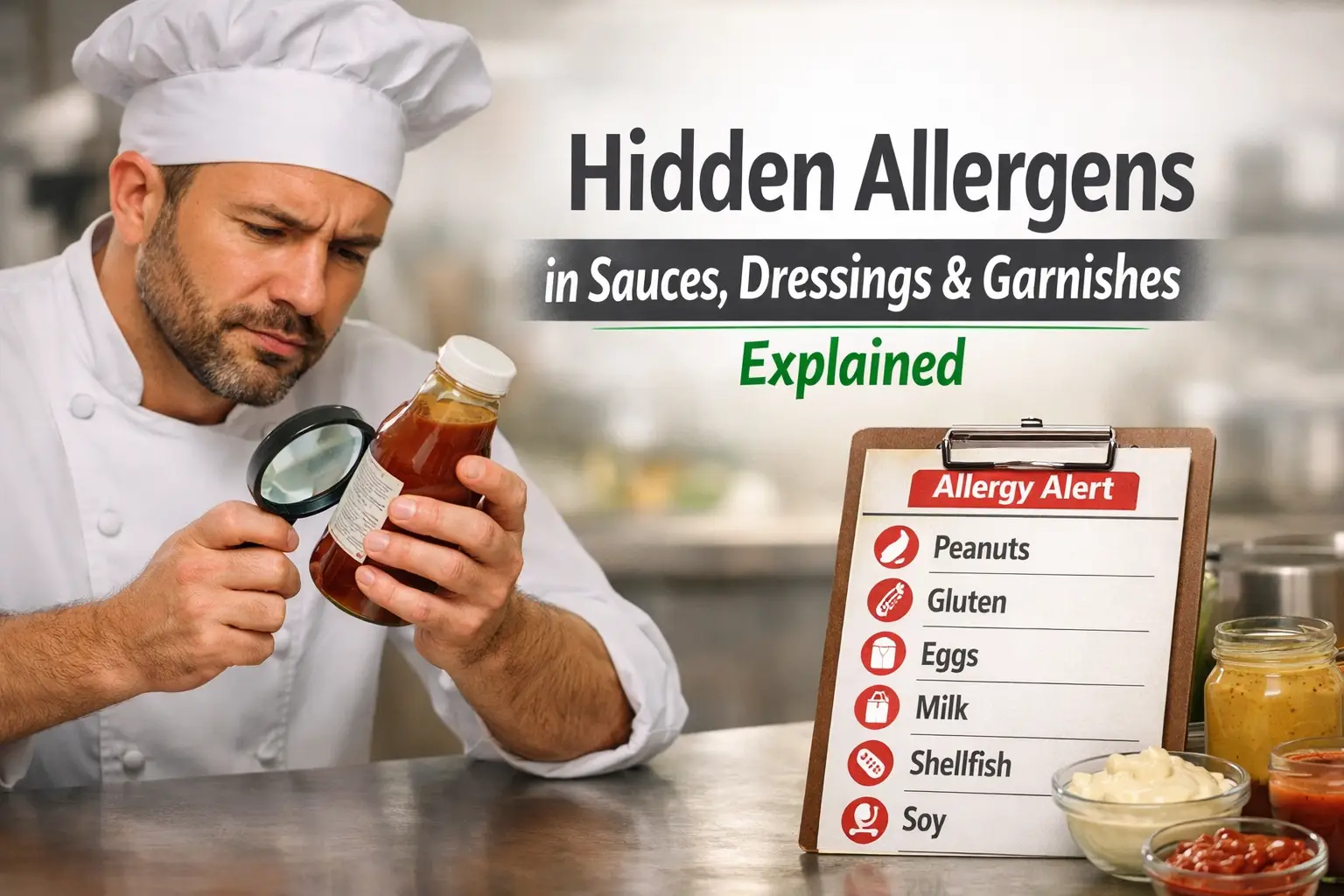
Hidden Allergens in Sauces, Dressings and Garnishes Explained
How allergens hide in sauces, dressings and garnish, and how tighter checks, clearer menu details and informed staff boost daily compliance for small kitchens in busy operations.
Level 2 Food Hygiene: Is It Enough or Do You Need Level 3?
Level 2 forms a foundation but does not cover site-specific tasks; map roles to duties, keep local induction records, and align training with inspections and HACCP.
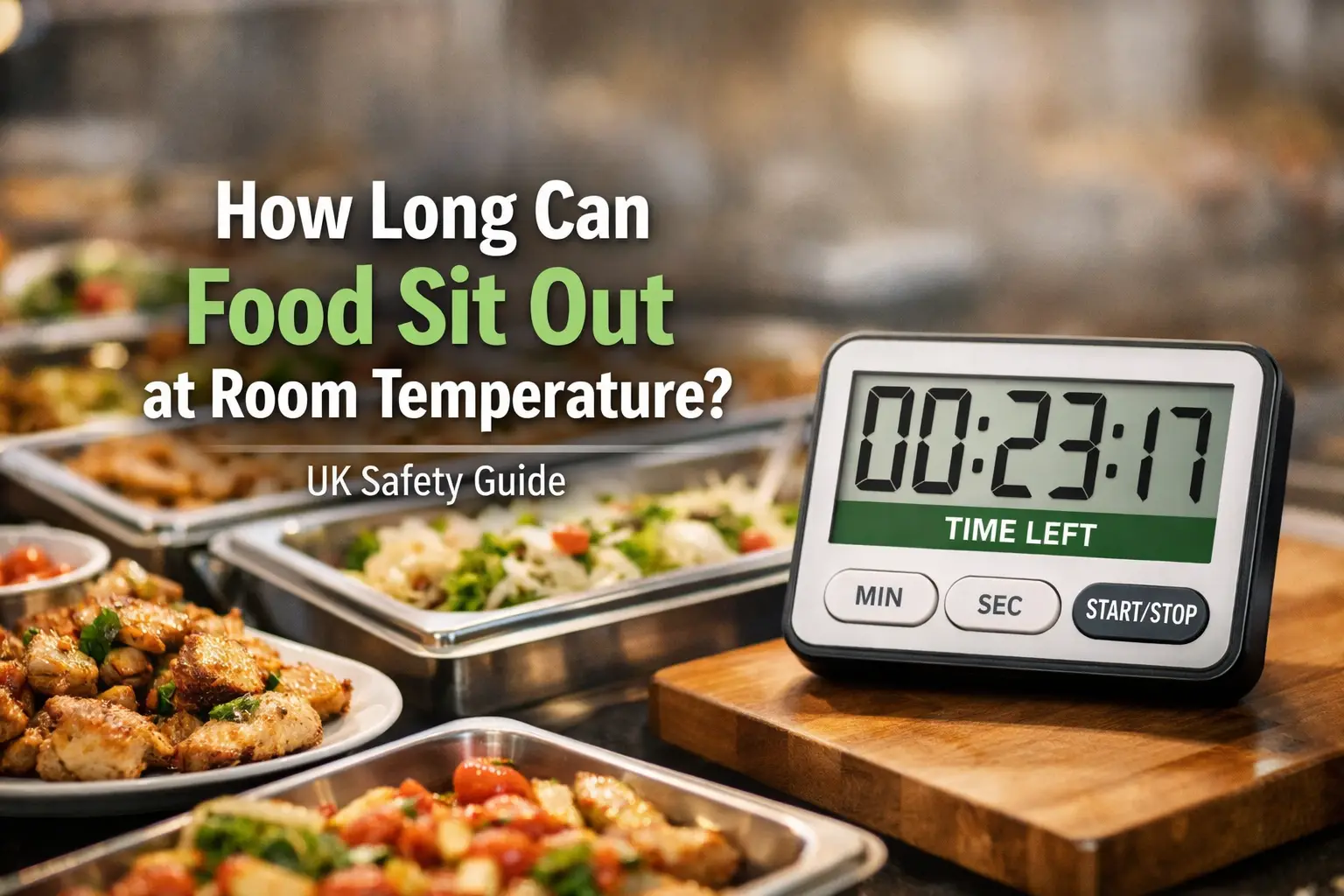
How Long Can Food Sit Out at Room Temperature? UK Safety Guide
Understand how long cooked and chilled foods stay safe in real catering settings, monitor time in the danger zone, and keep records to cut waste and boost hygiene.